At first glance, Fort Custer Training Center is a renowned place where soldiers train. Yet, tucked within its 7,500 acres, a quiet revolution in conservation is underway and a rare butterfly makes its return. We at the U.S. Fish and Wildlife Service have a remarkable partnership that highlights the conservation efforts on military lands. Fort Custer is believed to be the first U.S. military installation to reintroduce a federally listed species, the Mitchell’s satyr, previously lost from this area in Michigan.
Fragile survivors
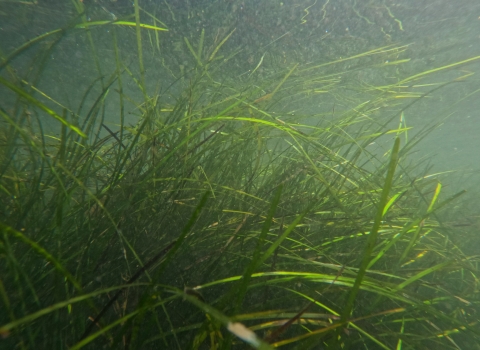
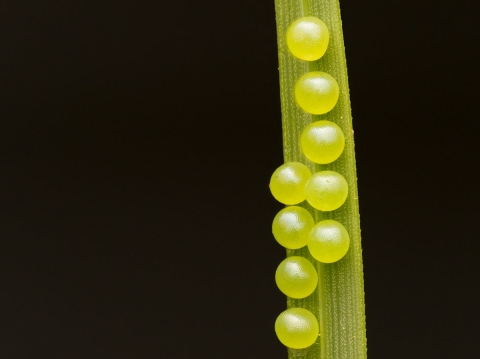
Fort Custer has the perfect backdrop for this rare butterfly, a type of wetland called prairie fens. Prairie fens are wetlands fed by groundwater that bubbles up through limestone. The water is rich in minerals and low in nutrients, which creates a special home for plants like sedges and grasses to thrive. Mitchell's satyr caterpillars eat those sedges, and adults lay their eggs on the grasses. Without these plants, the butterfly’s future would be uncertain.
Once widespread across the midwest and east coast, the small brown butterfly with black eyespots ringed in yellow now survives in only a handful of spots. Its slow, low flight lasts just a few weeks each summer, making it easy to miss and even easier to lose. The vulnerability of the species underscores the importance of the conservation effort.
Protecting fragile species demands teamwork. This milestone becomes possible through a remarkable partnership among Michigan Army National Guard, Michigan State University, John Ball Zoo, Michigan Natural Features Inventory, Kalamazoo Nature Center and our agency through Ecological Services program and the Great Lakes Restoration Initiative. Each partner plays a vital role, combining expertise and resources to make the reintroduction possible.
Using the flexibilities in the Endangered Species Act, the National Guard feels confident moving forward with the project. Through a formal review process, the new Fort Custer butterfly population is intended as a temporary reserve population. That label means these butterflies can later help start or strengthen other Mitchell's satyr populations elsewhere, if needed. We also have a biological opinion that covers the base's current and future activities, both on and off the property. This means the National Guard does not need to seek new approval every time its mission changes. If the base ever needs to shift how it uses the land, the butterflies can move to a new location without putting the project or the base's training mission at risk.
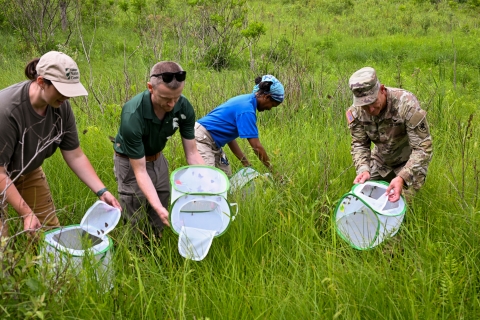
As U.S. Fish and Wildlife Service Biologist Tameka Dandridge describes, “When about 300 Mitchell’s satyr butterflies are released, our persistence and hard work make all the difference in making this idea a reality.” Because of this cooperation, the number of butterflies released in Michigan have grown by about 58% in the last two years. Each release, each improvement in rearing methods, each prairie fen restored and every new research finding is a step toward ensuring this rare butterfly’s future.
The journey is slow, but every milestone brings hope. As Fort Custer Training Center continues its quiet revolution, the story of the Mitchell’s satyr butterfly stands as a testament to what can be achieved when conservation and stewardship go hand in hand.