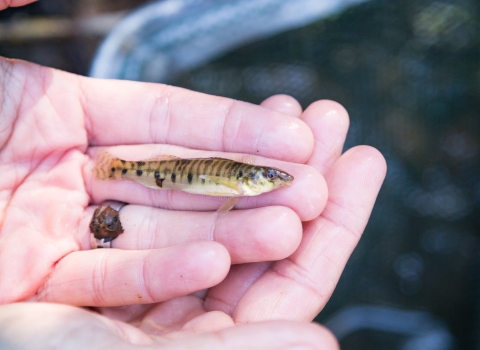
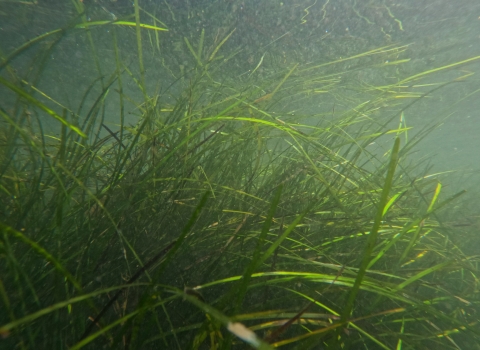
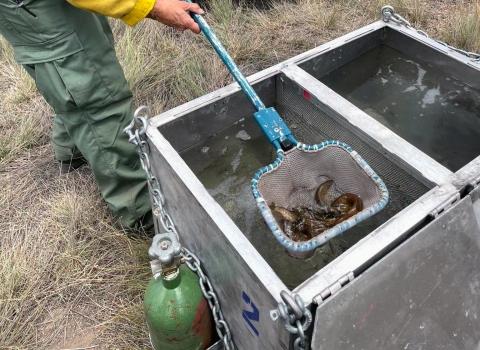
For more than a decade, the Sentinel Landscapes Partnership has united federal agencies, local governments, tribes, and private partners to protect landscapes vital to national defense and natural resources. Authorized by statute, the partnership enables the U.S. Department of Agriculture (USDA), the U.S. Department of War (DOW), and the U.S. Department of the Interior (DOI) to coordinate conservation and working‑lands efforts where ecological value and military readiness intersect. DOI’s Fish and Wildlife Service helps ensure that wildlife habitat remains healthy and resilient.
Sentinel landscapes are designated where conservation priorities, agriculture, and defense missions overlap. Each landscape is anchored by at least one military installation and supports high‑value lands for partner agencies. Recognized in statute through multiple National Defense Authorization Acts, the partnership now provides priority consideration for grants, easements, and assistance programs to landowners in designated landscapes.
The partnership is guided by the Federal Coordinating Committee (FCC), which includes USDA’s Natural Resources Conservation Service and U.S. Forest Service, DOW’s Readiness and Environmental Protection Integration (REPI) Program, and DOI’s U.S. Fish and Wildlife Service. Working with state, municipal, and tribal governments, along with private organizations and landowners, the locally led partnership develops conservation and land‑use projects suited to each landscape. These efforts also protect military training and testing areas from encroachment.
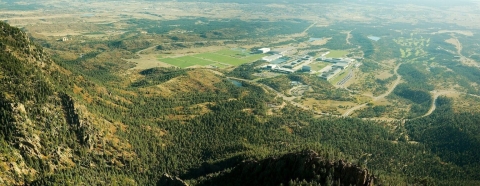
This year, the FCC designated two new sentinel landscapes: East Mississippi and Pikes Peak. East Mississippi—anchored by Naval Air Station Meridian—supports vital pilot‑training routes and compatible rural lands. The Pikes Peak landscape, anchored by the U.S. Air Force Academy and nearby defense facilities, helps maintain open lands, reduce wildfire risk, and support military operations alongside conservation.


After designation, the locally led partnership connects landowners with voluntary federal and state programs that encourage sustainable land management. By coordinating resources across agencies, the partnership increases efficiency, reduces duplication, and accelerates on‑the‑ground results. For the Fish and Wildlife Service, these landscapes expand opportunities for habitat restoration and species recovery.
You can view a documentary on Sentinel Landscapes Partnership at: https://sentinellandscapes.org/media/cmdn3s55/sentinel_landscapes.webm