


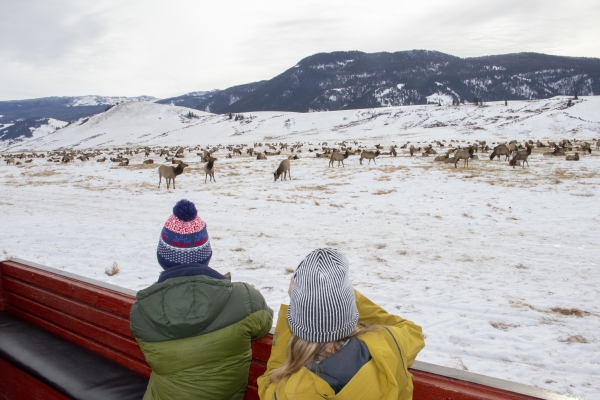
The spring and summer months are a good time to view song birds, wildflowers, turkey poults, and amphibians. The fall and winter months provide good viewing of white-tail deer and waterfowl.
Here are some wildlife viewing tips:
- Dawn and dusk are the best times to see wildlife on the refuge. During summer months, little is moving during the hottest part of the day
- Observe from the sidelines, and use binoculars for a closer look.
- Walk slow and easy to avoid snapping sticks and crunching leaves.
- Consider your clothes. You want to dress for the weather, but quiet clothing is preferable.
- Leave all “abandoned” young animals alone. The parent is probably close by waiting for you to leave.
- Don’t offer snacks, it disrupts their digestive system and leads to other undesirable issues; therefore, feeding wildlife is prohibited.
- Sit quietly in one spot. Often you will hear more than you will see.
- Don't stare straight at wildlife. They can see this as a threat, and may leave quicker than if you frequently change where your eyes are directed.
- Consider wildlife behavior. For example, between rain storms, or before snow storms, wildlife will emerge to feed.
- Do you smell!? Strong unnatural odors such as perfume or tobacco can prevent you from seeing wildlife.
- Teach children to quietly observe, they are more likely to be successful and other wildlife watchers will appreciate your consideration.
- Look for animal signs. Tracks, scat, and nest left behind often tell interesting stories about what has been to that area.
- If you see movement, don't jerk your head to get a better look. Slow movements are less likely to scare wildlife.
- Don't forget to look above and below you, wildlife is everywhere!
While we understand the eagerness to see wildlife up close, we want to remind visitors to respect all refuge regulations and other recreation users too.