The U.S. Fish and Wildlife Service announced results from the Great Lakes piping plover nesting season, marking 2026 as the most successful year since the population was first listed as endangered in 1986. Notable results include:
- 99 piping plover pairs nested in the region this year, up from 88 pairs in 2025
- 160 wild chicks and 24 captive-reared chicks fledged, bringing the total to a record-breaking 184 fully-fledged chicks
- 13 zoos participated in the captive rearing program
- Piping plovers nested on all five Great Lakes, an ongoing trend since 2017
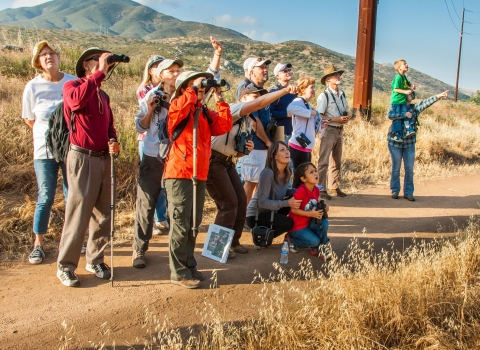
“Local volunteers continue to play a vital role, contributing many hours of their personal time to monitoring, outreach and education,” said Jillian Farkas, U.S. Fish and Wildlife Service lead biologist for Great Lakes piping plovers. “With 99 pairs nesting in 2026, we remain hopeful that it’s possible for these plovers to reach their recovery goal of 150 breeding pairs.”
Effective strategies like captive rearing, nest monitoring and habitat restoration have been consistently employed thanks to support from a network of partners and volunteers. This season, captive rearing efforts resulted in 24 chicks fledging that, otherwise, would not have survived.
There were once an estimated 500 to 800 pairs of piping plovers nesting in the Great Lakes region, but by 1990, that number declined to about a dozen pairs, all in northern Michigan. This year’s milestones continued an upward trend thanks to decades of recovery efforts, a dedicated community of conservationists, and a bit of luck.
Although the birds have now flown south for the winter, everyone can play a role in piping plover conservation. Remember to give shorebirds plenty of space, keep dogs on leashes, and support conservation efforts that ensure beaches remain dynamic ecosystems. You can report piping plover observations through various citizen science projects.
Since 2010, the U.S. Fish and Wildlife Service’s restoration work and recovery efforts for the Great Lakes piping plover have been bolstered by funding from the Great Lakes Restoration Initiative, a collaborative effort led by the Environmental Protection Agency with 16 federal agencies.
The U.S. Fish and Wildlife Service works with others to conserve, protect, and enhance fish, wildlife, plants, and their habitats for the continuing benefit of the American people. For more information, visit www.fws.gov and connect with us on social media: Facebook, Instagram, X (formerly known as Twitter), LinkedIn, Flickr, and YouTube.
-FWS-