NARRAGANSETT, RI – The U.S. Fish and Wildlife Service and The Nature Conservancy are working with partners, including the Rhode Island Coastal Resources Management Council, to restore and strengthen saltmarsh habitat at John H. Chafee National Wildlife Refuge. The project will enhance wildlife habitat and enable the marsh to withstand the impacts of sea-level rise and coastal storm surge. In addition, it will improve habitat for marine fish by enhancing the growth of eel grass and creating deeper channels for cool water refugia.
The project focuses on 30 acres of marsh on the eastern shore of the Narrow River estuary, opposite Pettaquamscutt Cove. The work is being carried out under a $1.4 million cooperative agreement between The Nature Conservancy and the U.S. Fish and Wildlife Service, supported by federal funding for Hurricane Sandy recovery. Over a dozen federal, state, and local organizations came together to develop the restoration plan. It will contribute to a larger recovery effort funded in the wake of Hurricane Sandy to restore coastal and inland areas in 14 states from Virginia to Southern Maine.
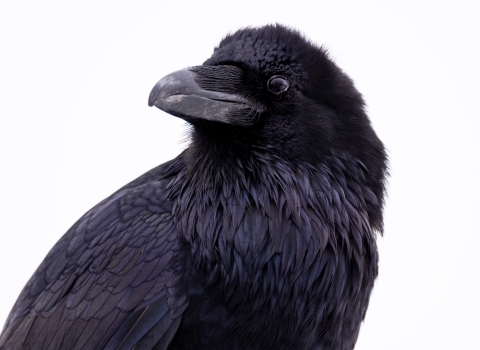
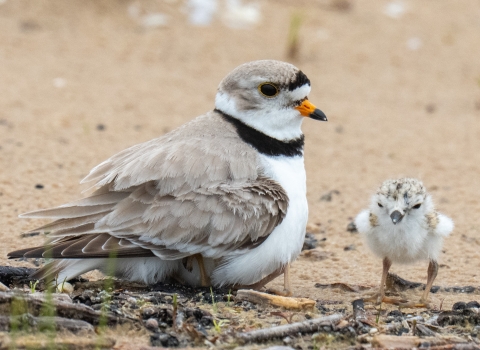
“The U.S. Fish and Wildlife Service is a tremendous partner, and we’re working closely together on habitat restoration and land protection in southern Rhode Island and all across the country,” said Scott Comings, associate state director for The Nature Conservancy. “The Chafee Refuge provides outstanding habitat for saltmarsh sparrows, egrets, black ducks, and many other water birds. The saltmarshes on the refuge are irreplaceable natural resources, and the Conservancy is proud to help the Service make them more resilient.”
In late October, crews will position equipment on barges in the Narrow River and begin dredging within designated areas, from Middlebridge to Sedge Island, near Sprague Bridge. The dredged material will be placed on the existing saltmarsh and then spread across targeted areas, adding up to six inches of elevation to the marsh. The work – known as thin-layer deposition – is expected to be completed by the end of December. This innovative technique of elevating the marsh was executed last winter by the Service and the Conservancy to raise 11 acres of saltmarsh at the Sachuest Point National Wildlife Refuge in Middletown, R.I., using sand that was trucked in rather than the dredged material.
During the work period at Chafee Refuge, boaters are urged to use caution and approach the equipment only at headway speed. The river access point on the north side of Sprague Bridge will be closed during the dredging activities.
USFWS Refuge Manager Charlie Vandemoer said a large section of Chafee Refuge’s saltmarsh will look very different to the public eye in the short term. “For kayakers and other visitors to the refuge, the area south of Middlebridge may look more like a mudflat than a salt marsh salt marsh
Salt marshes are found in tidal areas near the coast, where freshwater mixes with saltwater.
Learn more about salt marsh once the construction work is finished,” said Vandemoer. “But if we do nothing, we risk losing the whole marsh. The saltmarsh just can’t keep up with rising seas. Raising the elevation is our only shot at saving it for the long-term,” he added.
Test plots on the Chafee Refuge have demonstrated that existing salt marsh plants will grow through the sand and re-establish themselves at the higher elevation. In addition, the Service and The Nature Conservancy will work with partners and volunteers next spring to begin replanting sections of the restoration area. Full revegetation of the marsh will take two years.
Saltmarshes are adapted to tolerate periodic flooding, and they provide habitat for hundreds of species of plants, fish, shellfish, birds and mammals. They play a key role in cleaning and filtering stormwater, and act as a buffer against storm surge. However, prolonged stretches of inundation will effectively suffocate a saltmarsh, resulting in the die-off of critical fish and wildlife habitat. Healthy saltmarshes are sometimes able to retreat slowly to slightly higher ground over time, colonizing adjacent areas as sea levels rise. At Chafee Refuge, however, the marsh is constrained by upland areas to the east, with little opportunity for migration.
Under a cooperative agreement with the Service, the Conservancy is leading this effort, managing the contracts and handling the day-to-day logistical oversight of the project. The dredging contract was awarded to Coastline Consulting & Development of Branford, Conn. through a competitive bidding process. The company will utilize a new low-flow method of dredging that will minimize the amount of water that is pumped onto the marsh, reducing scouring effects and protecting the existing marsh plants.
The material will be spread over the marsh by SumCo Eco-Contracting of Salem, Mass. The Service provided elevation data to the Conservancy for a computer model that will guide the bulldozer’s blade, contouring the marsh to a precision of a few centimeters.
The marsh restoration project at Sachuest Point NWR and Chafee NWR are among 70 projects managed by the Service through $167 million in federal funding for Hurricane Sandy recovery, which the Service is executing in partnership with other agencies and municipalities along the Atlantic Coast.
“In the aftermath of Hurricane Sandy, we have an unprecedented opportunity to strengthen natural defenses along the Atlantic Coast to protect communities and wildlife against future storms,” said USFWS Northeast Regional Scientist Rick Bennett, who leads the agency’s Hurricane Sandy recovery and resilience program.
“Investments in projects like these at Chafee and Sachuest support the goal of President Obama's Climate Action Plan to make communities more resilient to increasingly intense future storms that are the result of a changing climate. They also create jobs and provide opportunities for fishing, hiking, wildlife watching and other recreational opportunities that improve the quality of life for local residents,” continued Bennett.
The Nature Conservancy has been working with partners to protect and restore wildlife habitat in the Narrow River watershed for more than 20 years. At the mouth of the Narrow River, just south of the marsh restoration area, the Conservancy and the Service have teamed to expand the Chafee National Wildlife Refuge and establish the Conservancy’s Whale Rock Preserve. Last year, the Conservancy acquired a 161-acre forested property in North Kingstown near the headwaters of the Narrow River. The property will be opened to the public later this fall.
Latest Press Releases