Galloway, N.J. – Nearly two thousand tons of debris left behind by Hurricane Sandy have been removed from E.B. Forsythe National Wildlife Refuge, paving the way for efforts to restore and enhance the marsh to help protect communities and wildlife from future storms.
The more than $13 million project overseen by the U.S. Fish and Wildlife Service cleaned up over 30,000 acres of saltmarsh and coastal habitat at areas such as Brick, Stafford, Eagleswood, Tuckerton, Lacey, Galloway and Barnegat, as well as other locations within the refuge boundaries. This includes:
• Removing 1,900 tons of debris from 22 miles of coastline
• Cleaning up approximately 32,000 acres of saltmarsh and coastal habitat
• Employing more than 100 workers
“We have recovered important areas for wildlife by removing everything from sheds, docks, gazebos, propane tanks and other debris from refuge lands. This work allows us to begin enhancing the habitats at Forsythe which will create a stronger front line to protect coastal communities during future storms,” said Refuge Manager Virginia Rettig. In addition, the removal of over 1,500 tires from the refuge should reduce pockets of mosquito-breeding habitat in the future.
Rettig said removing the debris would allow coastal areas to recover, which will provide healthier habitat for native wildlife and stronger natural defenses for nearby communities. Likewise, debris removal allows for the next step of building a more resilient coast, with marsh enhancement projects scheduled to begin in winter 2015.
The debris removal and future marsh enhancement projects are funded through the Disaster Relief Appropriations Act of 2013, which provided the Service with nearly $65 million in federal emergency funding for repair projects at national wildlife refuges and fish hatcheries along the Atlantic Coast damaged during the 2012 hurricane. Funding also will go toward repairing roads and trails and providing backup power sources at the refuge.
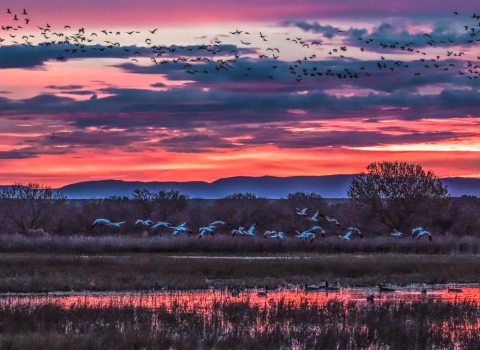
E.B. Forsythe National Wildlife Refuge protects more than 47,000 acres of sensitive wetlands, marshes, and coastal habitats along the New Jersey shore. It is one of the most important habitats for migrating waterfowl and shorebirds east of the Mississippi River.
To read more about the New Jersey coastal restoration project, click here. View photos of Hurricane Sandy damages to the refuge, and photos of Forsythe refuge recovery projects. To learn more about other U.S. Fish and Wildlife Service Hurricane Sandy recovery and resilience projects, visit the Hurricane Sandy Recovery website.
Latest Press Releases