


Visit Us

National Wildlife Refuges offer us all a chance to unplug from the stresses of daily life and reconnect with our natural surroundings.
Nearly 85% of the lands that Great Meadows NWR conserves are freshwater wetlands alongside the Sudbury and Concord Rivers. The Sudbury unit includes tranquil trails around wetlands and through woodlands and features a non-motorized boat launch on the Sudbury River. The Concord unit has excellent birding opportunities, and noted ornithologists consider this unit to be one of the best inland birding areas in the state. This site has a wildlife observational tower, observational platform and direct access to the Concord River. Please note: there is an entrance fee to access the Concord Unit.
America The Beautiful Interagency Passes
Due to reduced staff availability, sales of "America the Beautiful" passes at our location will be suspended until further notice. We apologize for the inconvenience.
To find an alternate purchase location please visit: https://www.nps.gov/planyourvisit/pickup-pass-locations.htm
Location and Contact Information
About Us
Our History
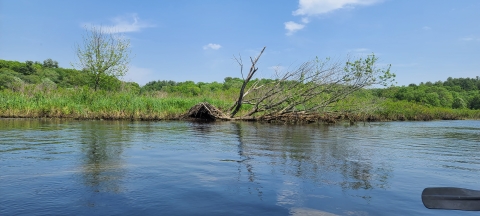
Historically, refuge lands were primarily inhabited by many groups of Indigenous peoples. In 1944, a local hunter donated over 200 acres to U.S. Fish and Wildlife Service, establishing the refuge's Concord unit. The Sudbury unit was established later as the Service began buying additional land in the area to preserve vulnerable freshwater wetlands along the river.
The goal of refuge management is to provide habitat for native fish and wildlife, especially migratory birds. The refuge’s wetlands, fields and woods provide great habitat for many species, including migratory birds, semi-aquatic mammals like beaver, white-tailed deer, small mammals, insects, amphibians, and reptiles.
What We Do
Wildlife conservation is at the heart of the National Wildlife Refuge System. It drives everything on U.S. Fish and Wildlife Service lands and waters managed within the Refuge System, from the purposes for which a national wildlife refuge national wildlife refuge
A national wildlife refuge is typically a contiguous area of land and water managed by the U.S. Fish and Wildlife Service for the conservation and, where appropriate, restoration of fish, wildlife and plant resources and their habitats for the benefit of present and future generations of Americans.
Learn more about national wildlife refuge is established to the recreational activities offered to the resource management tools used. Using conservation best practices, the Refuge System manages Service lands and waters to help ensure the continued survival of native wildlife species and their habitats.
Our Species
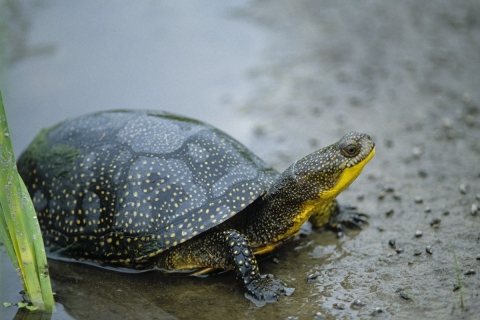
The refuge provides important habitat for many species, and is an especially significant spot for migratory birds. Great Meadows NWR has a recorded bird list of over 220 species. Waterfowl including mallards, black ducks, wood ducks and blue-winged teal are common sights at the right time of year. The refuge also provides habitat for the largest genetically distinct populations of threatened Blanding’s turtle in the Northeast. The rivers, freshwater wetlands, forests and fields of the refuge are home to monarch butterflies and other pollinators, as well as reptiles like the northern water snake, turkeys, coyotes, and woodchucks.
Projects and Research
Across the Eastern Massachusetts National Wildlife Refuge Complex, FWS staff and partners conduct research on natural resources; rare, threatened, or endangered species and habitats; and invasive species invasive species
An invasive species is any plant or animal that has spread or been introduced into a new area where they are, or could, cause harm to the environment, economy, or human, animal, or plant health. Their unwelcome presence can destroy ecosystems and cost millions of dollars.
Learn more about invasive species control, and more.