The Center for Pollinator Conservation is presenting the latest quarterly newsletter, designed for all visitors and supporters conserving pollinators. We continue to bring energy and teamwork to conservation from the Center for Pollinator Conservation and across the U.S. Fish and Wildlife Service. Our work, in the field and beyond, strengthened connections and advanced science through collaboration and partnership.
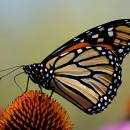
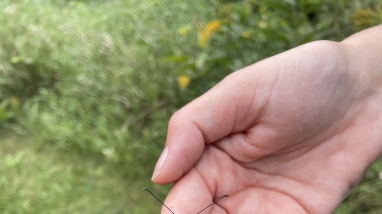
As fall begins, we focus on monarch migration and tagging. The Tri-National Insect Movement Collaborative, launched this summer, uses new tracking technology and international partnerships to answer priority conservation questions. This effort expands our understanding of insect movement and builds a framework for future species tracking.
Thank you for your dedication, partnership and enthusiasm. Together, we connect communities, advance science and help monarchs and other pollinators thrive.
Publication date
Media Usage Rights/License
Creative Commons Attribution 4.0
Program