


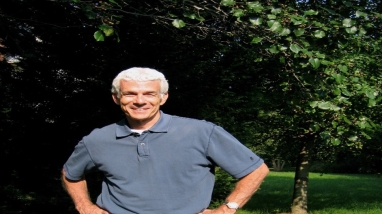
Nichols discusses growing up exploring nature before studying wildlife ecology in graduate school. He started trapping animals while working on his master's and PhD research focused on small mammal population dynamics. After finishing his PhD, Nichols joined the Migratory Bird and Habitat Research Lab at Patuxent. He planned on staying a few years but ended up remaining with the FWS (later USGS) for his whole career, valuing the collaborative dynamic with managers. Nichols talks about a revolution in statistical methods for estimating wildlife populations, moving from borrowing approaches used in human demography towards ones addressing key issues like detection probabilities. He discusses efforts to bring more scientific rigor into the waterfowl harvest regulations decision-making process. This led to the adaptive harvest management approach used for setting duck hunting regulations. Nichols criticizes the shift of the federal wildlife research program from the U.S. Fish and Wildlife Service into the U.S. Geological Survey, feeling it risks breaking important established connections between researchers and managers. In discussing his proudest contributions, Nichols emphasizes his collaborations and role in the revolutions around population estimation and adaptive decision-making for bringing more rigor into wildlife management.
Publication date
Type of document
Education
Facility

Media Usage Rights/License
Public Domain
Program
FWS and DOI Region(s)