Walt Rhodes, Chris Cain, Phil Thorpe, Stephen Chadler, Sarah Yates, Division of Migratory Bird Management, and Razia Shafique-Sabir, Sonny Bono Salton Sea National Wildlife Refuge Complex, USFWS
After a winter featuring above-average snowfall, spring was late arriving across northern Saskatchewan. Ice-out was delayed by what seemed about 7-10 days later than usual. As such, the three air crews surveying the area did not get started until May 28. All smaller wetlands were thawed but large water bodies such as Lac La Ronge and Cree Lake were still 50-75 percent ice covered. Reindeer Lake along the Saskatchewan and Manitoba border was almost entirely frozen except for along the margins, something that is not uncommon to observe but in recent years it has been ice free.
Several 90-degree days in late May helped push the later thaw and the birds were in position to settle on suddenly accessible habitat. Canada goose pairs were observed and several pairs of trumpeter swans were already seen incubating nests by the time we were in the air surveying. Scaup pairs were well distributed, and no large flocks were noted. Common boreal species like bufflehead, common loon, scoter, mallard, and ring-necked duck pairs were all noted.
Even with the later ice-out we would expect average production in 2026 as the boreal wetlands showed evidence of being recharged to some extent from the additional snowfall this past winter.


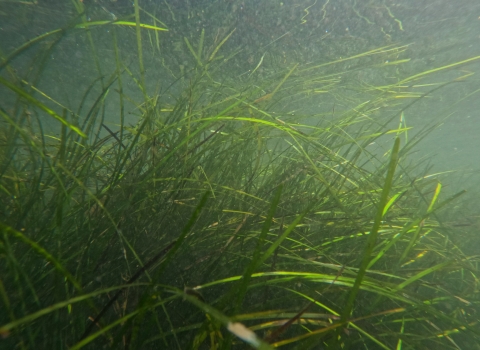
Definition of riparian habitat or riparian areas.
Learn more about riparian and marsh west of Beauval, Saskatchewan offers good breeding habitat for waterfowl, June 2026.