


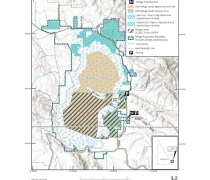
The hunting and fishing programs at Grays Lake National Wildlife Refuge follow all regulations as set forth in 50 CFR § 32.31 Idaho.
To learn more, please visit:
Hunting at Grays Lake National Wildlife Refuge | FWS.gov
Questions? Please call our office at 208-904-5957.
Visit Us
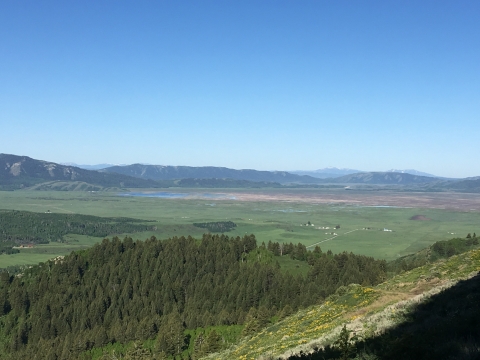
From photography to hiking, there are many wonderful adventures to experience at Grays Lake! The Refuge is a considerable distance from most amenities, and visitors should plan accordingly.
Location and Contact Information
About Us
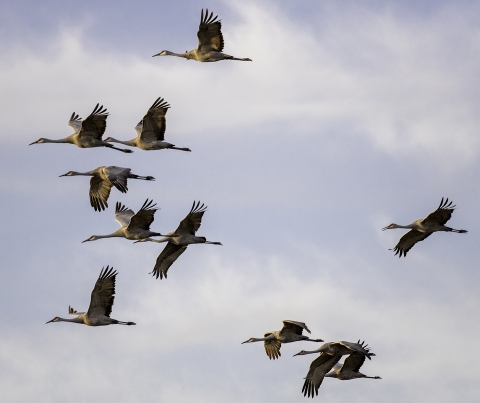
The large expansive wetland habitats within this montane marsh attract numerous bird species, including waterfowl, shorebirds, wading birds, and sandhill cranes. The Service has documented almost 250 species of birds on the Refuge, of which approximately 100 species known to nest within its boundaries. The Refuge provides significant habitat for breeding waterfowl in the late spring and early summer, and nesting habitat for colonial birds, including a large mixed colony of white-faced ibis and Franklin’s gulls.
Our Species
Cranes use Grays Lake as a stopover site during their migration and a segment of the Rocky Mountain Population nests and rears colts along the edges of the marsh. Refuge staff manage habitats to provide for the life requirements of these birds.
Get Involved
National wildlife refuges provide many opportunities for you to help your community by doing what you love. National wildlife refuges partner with volunteers, youth groups, landowners, neighbors and residents of urban and coastal communities to make a lasting difference.