SACRAMENTO - U.S. Fish and Wildlife Service Director Dan Ashe today announced the agency will expand fishing and hunting opportunities on 21 refuges throughout the Service’s National Wildlife Refuge System. The final rule also modifies existing refuge-specific regulations for more than 100 additional refuges and wetland management districts.
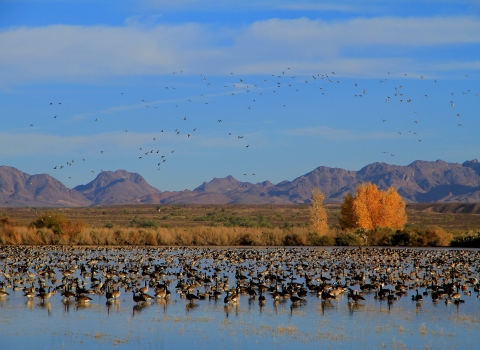
Sacramento River National Wildlife Refuge is among the refuges expanding hunt opportunities for the public. The refuge already permits migratory bird hunting; upland game hunting, sport fishing and now hunters will have the chance to hunt black-tailed deer and feral pigs on designated areas of the refuge. “Hunting and fishing opportunities on refuges do not pose a threat to wildlife populations, and in some instances, are actually necessary for sound wildlife management as large deer and feral pig populations can destroy habitat for themselves and other species found on the refuge,” said Sacramento National Wildlife Refuge Complex Project Leader Dan Frisk.
The Service recognizes that hunting is an important traditional outdoor pastime that is deeply rooted in America’s heritage. Time spent outdoors hunting and fishing can instill a unique understanding and appreciation of wildlife, their behavior, and their habitat needs. “The National Wildlife Refuge System is a national treasure that conserves millions of acres of wildlife habitat and provides Americans with unparalleled opportunities to hunt, fish and experience the wonders of the natural world,” said Ashe. “By expanding those opportunities, we are enhancing the lives of millions of Americans, stimulating the national economy to which hunting and fishing contributes significantly, and generating much needed additional funding for wildlife conservation.”
Under the National Wildlife Refuge System Improvement Act of 1997, the Service permits hunting and fishing along with four other types of wildlife-dependent recreation when they are compatible with an individual refuge’s purpose and mission. Hunting, within specified limits, is now permitted on 336 wildlife refuges. Fishing is now permitted on 275 wildlife refuges.
Hunting, fishing and other outdoor activities on refuges help stimulate the economy and generate funding for wildlife conservation. The Service’s report Banking on Nature shows that refuges pumped $2.4 billion into the economy in 2013 and supported more than 35,000 jobs. More than 47 million people visit refuges every year.
To view a complete list of all hunting and sport fishing opportunities on refuges, click here. The final rule will become effective upon publication in the Federal Register on August 26, 2015.
Other wildlife-dependent recreation on national wildlife refuges includes wildlife photography, environmental education, wildlife observation and interpretation. Visit www.fws.gov/refuges to learn more.
-FWS-
The mission of the U.S. Fish and Wildlife Service is working with others to conserve, protect, and enhance fish, wildlife, plants, and their habitats for the continuing benefit of the American people. We are both a leader and trusted partner in fish and wildlife conservation, known for our scientific excellence, stewardship of lands and natural resources, dedicated professionals, and commitment to public service. For more information on our work and the people who make it happen, visit http://www.fws.gov/cno. Connect with our Facebook page, follow our tweets, watch our YouTube Channel, and download photos from our Flickr page.
Latest Press Releases