CHENEY, Wash. – The Service has named Alice Hanley Project Leader for the Inland Northwest National Wildlife Refuge Complex. The complex includes Kootenai National Wildlife Refuge near Bonners Ferry, Idaho, Turnbull NWR near Cheney, Wash., and Little Pend Oreille NWR, near Colville, Wash. Turnbull NWR serves as the complex headquarters.
“The Inland Northwest Refuge Complex is an exciting group of refuges with active habitat management and biological and visitor services programs,” said Hanley. “I look forward to being a part of the team to continue to move these programs forward to benefit the wildlife that depend on these lands, as well as offer unique experiences to our visiting public.”
Hanley has more than 28 years in the National Wildlife Refuge System working with partners, managing many different types of habitat and wildlife and developing programs for refuge visitors. Prior to her selection as Project Leader, Hanley also managed the Big Stone NWR and Wetland Management District Complex in Minnesota and the Northern Tallgrass Prairie NWR, in Minnesota and Iowa. As the Project Leader for that complex, she actively managed one 12,000 acre refuge and two county wetland management districts totaling 6,000 acres of waterfowl production areas and conservation easements.
Prior to working in Minnesota, Hanley was the deputy project leader at Flint Hills NWR in Kansas; assistant manager at Sand Lake NWR/WMD Complex and Rainwater Basin Wetland Management District where she gained experience in wetland management and restoration; grazing, haying, and farming programs; grassland management; integrated pest management; fire management; visitor services management; and overall administrative responsibilities. Hanley also served as a law enforcement officer for 15 years and continues to actively participate in pre-suppression and prescribed burning activities.
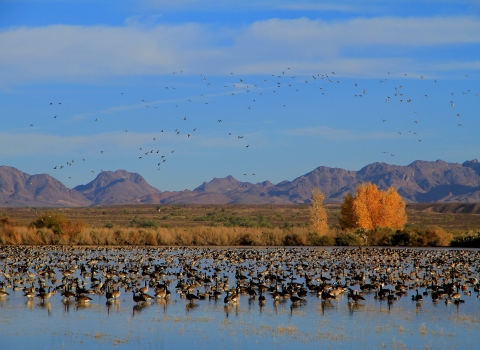
The three refuges in the complex are vital for migrating waterfowl and other wildlife and each of the three complex refuges is unique. Kootenai, at 2,774 acres, is a small gem of diverse wetland, cropland, and upland habitats and recreational opportunities; Little Pend Oreille, at 42,594 acres, is a mountainous forested refuge with clear streams, scattered lakes, and diverse outdoor pursuits; and Turnbull, at 16,000 acres, features over 130 wetlands, ponderosa pine forest, steppe grassland, aspen, and rock set in a distinctive landscape that offers many possibilities for experiencing nature.
The U.S. Fish and Wildlife Service works with others to conserve, protect, and enhance fish, wildlife, plants, and their habitats for the continuing benefit of the American people. For more information, visit www.fws.gov/pacific, or connect with us through facebook.com/USFWSPacific, twitter.com/USFWSPacific/, tumblr.com/blog/usfwspacific, flickr.com/photos/usfwspacific/ and youtube.com/user/USFWS
– FWS –
Latest Press Releases