These special places are called national wildlife refuges, and there are more than 500 of them throughout the United States, (16 in Alaska), many within an hours drive of major cities. The 92-million-acre National Wildlife Refuge System is a unique part of Americas natural heritage, one which the U.S. Fish and Wildlife Service has been in the business of safeguarding for nearly 100 years.
During its annual celebration of National Wildlife Refuge Week the second week of October, the Fish and Wildlife Service showcases the special scenic beauty and bountiful wildlife that seek refuge on the worlds largest and most diverse network of lands and waters dedicated to plants and animals and their habitat.
"We hope the American people will consider National Wildlife Refuge Week an open invitation to come learn about and enjoy our rich wildlife resources on national wildlife refuges," said Jamie Rappaport Clark, Director of the U.S. Fish and Wildlife Service. "Id like to think people also will come away with a respect and appreciation for the National Wildlife Refuge System and its wildlife conservation mission."
This years National Wildlife Refuge Week celebration takes place October 12-18, during which time hundreds of special events across the country are planned, with activities such as fishing derbies, nature walks, birding tours, special hunts, nature photography and wildlife art contests, and environmental education. The Fish and Wildlife Service in Alaska has planned its third annual Open House at the Regional Headquarters in Anchorage for Oct. 11th, from 11 a.m.-4:00 p.m.
The National Wildlife Refuge System includes scenic lands of astounding beauty and remarkable variety, from the tallgrass prairie in Iowa to the moss-draped cypress stands in the swamps of Louisiana, from yucca forests of Nevada to the icy Arctic Slope of Alaska, from the great Okefenokee swamp on the Florida-Georgia border to the gentle waterfalls on the of Kauai.
What all these special places have in common, however, is they are prime wildlife habitat. Hundreds of national wildlife refuges strategically located along the four major "flyways" ensure ducks, geese, and even tiny songbirds have places to rest on their long, annual migrations. About 60 refuges are home to endangered species like the bald eagle, Florida manatee, and whooping crane. Still others host buffalo, elk, antelope, and bighorn sheep. From wildflowers to caribou, national wildlife refuges are places where plants and animals reign supreme.
This was President Teddy Roosevelts idea when he established tiny Pelican in Florida in 1903 as the first national wildlife refuge national wildlife refuge
A national wildlife refuge is typically a contiguous area of land and water managed by the U.S. Fish and Wildlife Service for the conservation and, where appropriate, restoration of fish, wildlife and plant resources and their habitats for the benefit of present and future generations of Americans.
Learn more about national wildlife refuge . At the turn of the century, millions of birds were being wantonly killed or slaughtered for their feathers to meet the fashion demands of the day. Roosevelts mission was clear: protect Pelican Islands birds from poachers and plume hunters. With that simple promise of wildlife protection, the National Wildlife Refuge System was born.
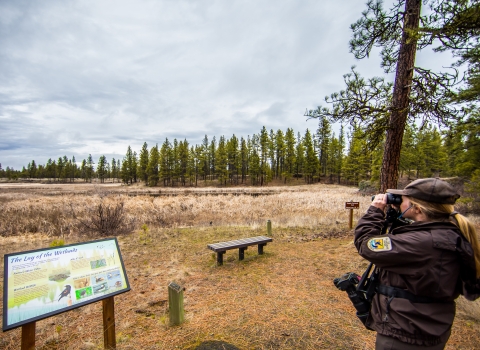
Not only are they havens for wildlife, but national wildlife refuges are also scenic get-aways for nearly 30 million Americans each year. Hiking nature trails, birdwatching, hunting, fishing, and nature photography are all popular activities on refuges. Hundreds of thousands of schoolchildren visit refuges each year to learn about nature and the environment.
-FWS-
Latest Press Releases