At Bear River Migratory Bird Refuge, on the edge of the Great Salt Lake, managers are using prescribed fire to reduce the spread of an invasive plant called phragmites. This reedy grass grows in thick, dense patches that crowd out native species. It thrives in shallow, marshy areas and can quickly expand to cover thousands of acres. Phragmites reduce the availability of quality wildlife habitat, which affects native species’ ability to thrive.
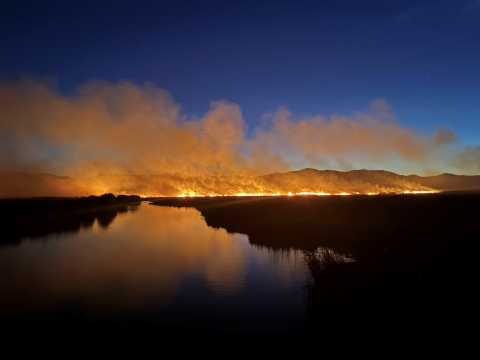
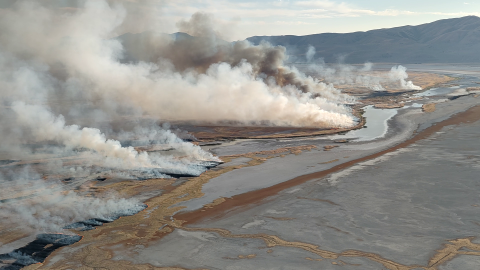
Firefighters from the U.S. Fish and Wildlife Service, Utah Division of Natural Resources and Utah Division of Forestry, Fire and State Lands recently used prescribed fire to treat about 2,000 acres of the Bear River delta within the refuge boundaries. Trained wildland firefighters used drones to ignite part of the prescribed burn prescribed burn
A prescribed burn is the controlled use of fire to restore wildlife habitat, reduce wildfire risk, or achieve other habitat management goals. We have been using prescribed burn techniques to improve species habitat since the 1930s.
Learn more about prescribed burn . This ignition method helps reduce risk to firefighters by reducing the need to enter the burn unit by vehicle or boat to ignite by hand. Safety is the top priority for any prescribed fire.
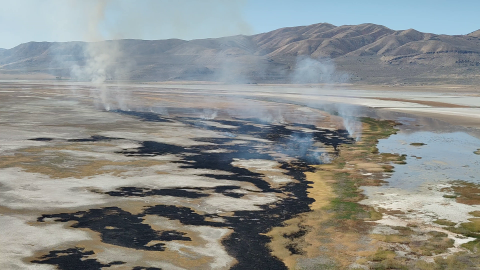
Like a doctor prescribes medicine, refuge managers and fire management specialists worked together to develop the plan - or prescription - for this burn. In this case, the goal was to remove phragmites and make way for the return of native grasses, forbs, sedges and other wetland plants that support waterfowl, wading birds and shorebirds.
Phragmites not only outcompete native species, but they also consume significantly more water—an especially serious concern in this drought-impacted region of the Wasatch Front. Their unchecked spread can lower water levels and further stress already fragile ecosystems. As the dense grassy patches dry out in late summer and fall, they also increase the risk of catastrophic wildfire.
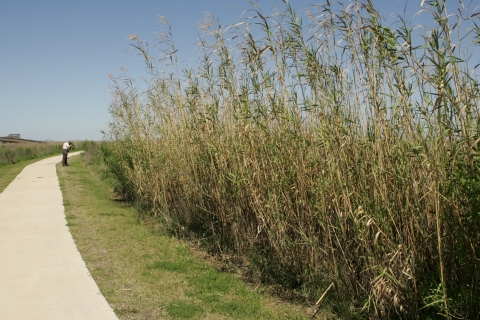
Across the Great Salt Lake ecosystem, federal, state and local conservation partners use a variety of methods to control the spread of phragmites. In addition to prescribed fire, conservation managers use herbicide treatments, mechanical removal, grazing, water management and revegetation. The timing of treatments is crucial for successful removal of the invasive plant.
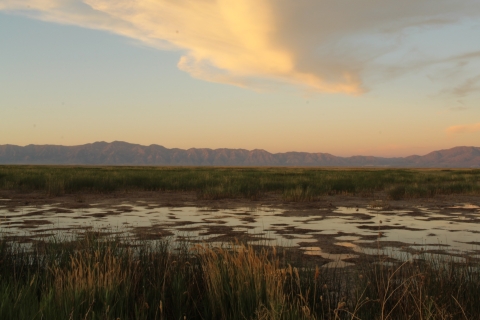
Bear River refuge is a haven for wildlife, supporting a rich mosaic of mudflats, river deltas, brackish and freshwater marshes, temporary ponds, and uplands. Each year, hundreds of thousands of birds rely on these habitats for food, rest, and breeding. Thanks to the work of refuge staff and partners, these lands continue to provide sanctuary for species such as the American avocet, tundra swan and white-faced ibis.
Conservation is action, and prescribed burns are one of the many tools used to ensure that future generations can experience the beauty and biodiversity of Bear River refuge.
More About Prescribed Burns
Before any prescribed burn takes place, refuge managers and fire specialists collaborate to create a detailed plan. This includes:
- Identifying ideal weather and wind conditions
- Monitoring air quality
- Establishing safety protocols
- Outlining pre- and post-burn monitoring
Because weather plays such a critical role, managers identify a burn window—a flexible timeframe during which the burn may occur. The final decision is made just a few days in advance to ensure the safest and most effective conditions.
On average, the U.S. Fish and Wildlife Service treats 342,845 acres with prescribed fire annually. Theses treatments are part of comprehensive vegetation management strategies that help prevent catastrophic wildfire and improve habitats for the benefit of people and wildlife.