Written By


To celebrate America's 250th birthday, we at the U.S. Fish and Wildlife Service are highlighting the incredible wildlife that calls this beautiful country home. From American icons to subtle specialists, join us as we highlight seven species each week: one species for each of the 250 days leading up to America's 250th birthday.
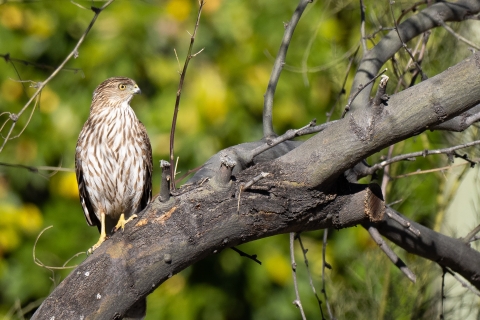
Sharp-shinned hawk (Accipiter striatus)
The sharp-shinned hawk is a small, agile raptor and fierce predator able to capture small birds mid-flight. They can be found across much of the country year-round. As days get longer, they'll begin migrating north following songbird migrations.
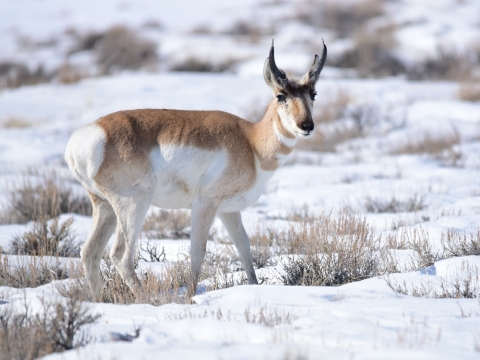
Pronghorn (Antilocapra americana)
The pronghorn is North America's fastest land mammal, capable of reaching speeds up to 55 mph! Native to the open plains, deserts and shrublands of the western U.S., pronghorns form small winter herds, grazing on vegetation.
Spring peeper (Pseudacris crucifer)
The spring peeper is a small chorus frog with a loud, high-pitched "peep" call, signaling the arrival of spring. They spend winters hibernating under logs, leaf litter or loose bark. As days get longer and temperatures rise, they'll soon begin their spring symphony.

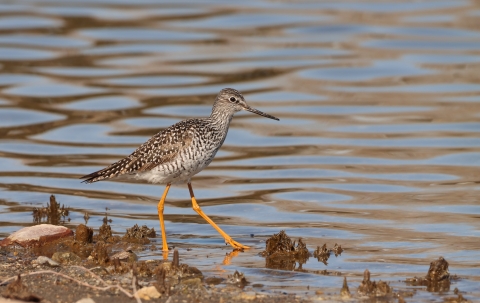
Greater yellowlegs (Tringa melanoleuca)
The greater yellowlegs is a tall shorebird known for its long, bright yellow legs and sharp calls. In the winter they can be found along southern and coastal areas in the U.S. and across much of Mexico, Central America and South America. In late February they depart South America, arriving in the U.S. just 2 to 3 weeks later.
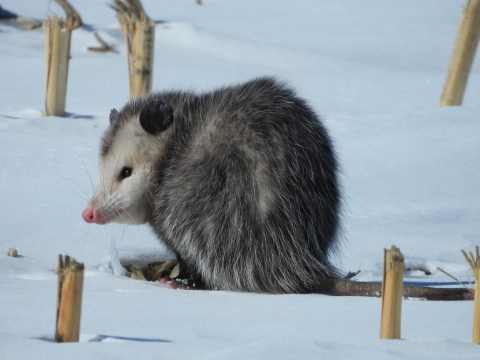
Virginia opossum (Didelphis virginiana)
The Virginia opossum is North America's only native marsupial. They remain active all winter, foraging for fruit, insects and small animals. During particularly cold temperatures, they may take the dayshift, taking advantage of the warmest part of the day.
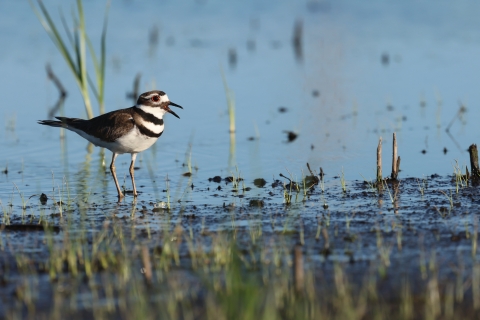
Killdeer (Charadrius vociferus)
The killdeer is a vocal shorebird often found far from shore, visiting fields and nesting in gravel areas. They have an elaborate "broken wing" display to lead intruders away from nests. Killdeer are opportunistic foragers, feeding on aquatic insects, beetles, crayfish, grasshoppers, snails, worms and more.
Mourning dove (Zenaida macroura)
The mourning dove is one of the most widespread and familiar birds in North America, known for its soft, cooing call. In March they become increasingly active with courtship and nesting starting in many parts of the country.