Written By


From the swamplands of Great Dismal Swamp down the rocky shores of Petit Manan and carefully past the wild ponies of Chincoteague, it’s clear that America’s wild places contribute largely to its national identity. Our commitment to protecting these natural features is equally important.
Less than 100 years after the founding of the United States came the creation of the United States Commission of Fish and Fisheries — the nation’s first conservation agency and forerunner of the U.S. Fish and Wildlife Service.
Today, we’re the only agency in the federal government whose primary responsibility is conserving and managing fish, wildlife, plants and their habitats for the American people.
But how, exactly, do we do that?
In the Northeast, we do this through hard work, innovation, collaboration and, above all, the belief that we must conserve this country’s beauty for future generations.
Here are nine ways we conserve the natural resources that sustain us and the natural heritage that defines us.
1) We restore habitats for endangered and threatened wildlife that enrich our natural heritage.

From the smallest turtle in North America (bog turtle) to one of the longest-distance migrators in the bird world (rufa red knot), our federally threatened and endangered species are natural treasures. That’s why we rely on partners to help us recover these species across their ranges, including by conserving and restoring habitat.
These actions often have positive impacts for other species, including people. For example, the Service has worked for more than a decade to restore habitats in the James River watershed for the endangered James spinymussel. Both habitat restoration and reintroductions of the mussels themselves improve water quality for the people who live and work in nearby communities.
2) We conserve coastal habitat for wildlife and people.

Along the Atlantic Coast, salt marshes provide nursery habitat for shellfish and game fish and function as nesting areas for birds like the declining saltmarsh sparrow. They also protect coastal communities from excessive storm events.
But historical alterations and sea level rise threaten these important landscapes with flooding. To restore them to health, we help private landowners install runnels to drain standing water and promote revegetation.
3) We breed the fish you catch.
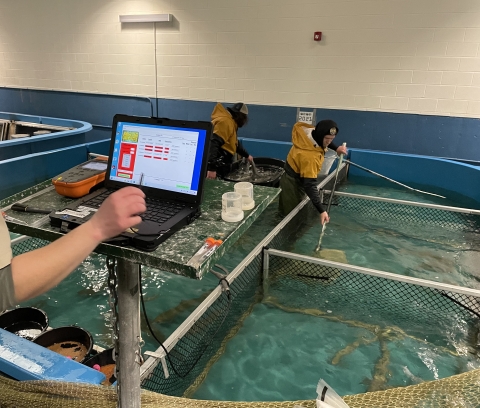
Working closely with state partners, our National Fish Hatchery System raises fish at hatcheries around the country for reasons ranging from recovering federally listed threatened or endangered species to enhancing recreational fisheries. If you go fishing and catch a brook trout, lake sturgeon or Atlantic salmon, it may have come from one of our hatcheries!
4) We manage invasive aquatic species to protect the all-American ones.
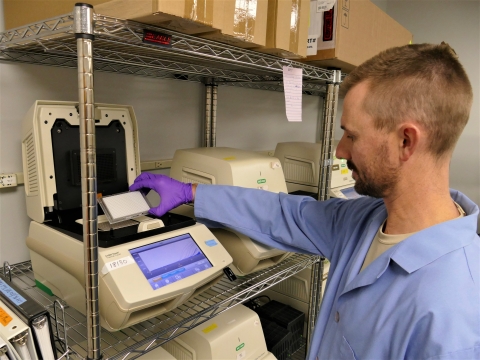
Our scientists at the Northeast Fishery Center take samples from bodies of water and analyze them for environmental DNA — from a fish’s shed scales, feces or other secretions — to identify each species present when the sample was taken. By comparing eDNA samples to the reference eDNA of native species, we can detect the presence of invasive species invasive species
An invasive species is any plant or animal that has spread or been introduced into a new area where they are, or could, cause harm to the environment, economy, or human, animal, or plant health. Their unwelcome presence can destroy ecosystems and cost millions of dollars.
Learn more about invasive species and combat their spread early, before they outcompete the native species we love.
5) We work with partners to protect habitat for migratory birds and improve life for Americans.

Through our Migratory Birds program, we distribute North American Wetlands Conservation Act grants. By funding American projects that support long-term protection and restoration of wetland habitats that benefit all wetlands-associated migratory birds, the grant program sustains migratory bird populations and provides myriad natural benefits, such as clean drinking water, flood protection, increased public access and improved outdoor recreation opportunities.
Since 1991, the grant program has provided more than $7 billion for more than 3,400 projects, conserving nearly 33 million acres of habitat in all 50 U.S. states, Canada and Mexico.
6) We prevent wildlife trafficking and exploitation through the illegal pet trade.
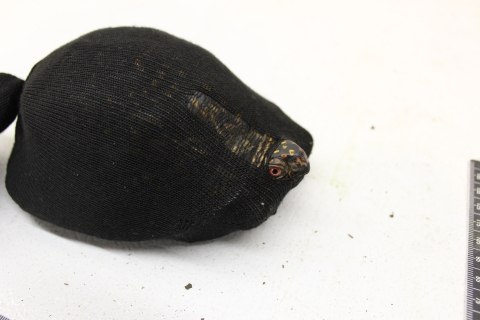
To protect our native ecosystems, our wildlife inspectors, special agents and partner agencies diligently work to stop the smuggling of live wildlife such as primates, rare parrots and reptiles. We disrupt illegal markets that threaten native populations and their ecosystems by targeting these crimes for criminal prosecution, through vigilant enforcement at ports of entry, land borders and international mail facilities, as well as investigating criminal networks involved in the illicit trade.
Our efforts are essential in protecting native wildlife populations, preventing spread of diseases that pass from wildlife to people — which endangers public health — and the introduction of invasive species, which could severely harm our native flora and fauna and disrupt the country’s ecological balance. This work protects vital habitats, supports biodiversity and upholds the integrity of America’s wildlife, ensuring the nation’s natural heritage is preserved for future generations.
7) We conserve and restore iconic American landscapes.
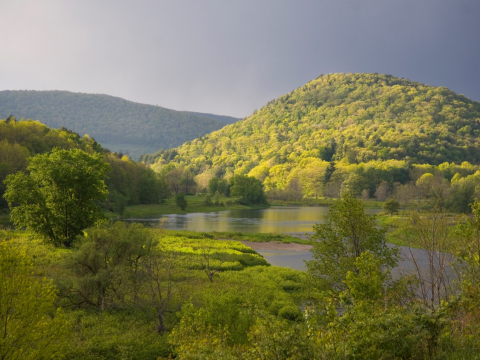
The Chesapeake Bay watershed, the Delaware River watershed, and the Highlands region are iconic Northeast landscapes that support communities, working lands and wildlife. We support partnerships and funding programs that keep these landscapes healthy and intact by conserving and connecting key parcels. For example, through the Highlands Conservation Act grant program, we've worked with states and municipalities to permanently protect 19,000 acres of land in Pennsylvania, New Jersey, New York and Connecticut to provide clean water, wildlife habitat, recreational opportunities and more.
8) We teach people to fish and hunt.

Our beginner-friendly fishing derbies and mentored hunting programs introduce these sports to community members interested in learning how they can actively engage with nature. The First Shot mentored deer-hunting program at Blackwater National Wildlife Refuge in Cambridge, Maryland, is designed for adults who lack the network to learn to hunt or want to re-engage with the sport after long hiatuses. It pairs mentees with experienced mentors, offering guidance on everything from scouting and species biology to field dressing and cooking. Unlike a one-day guided hunt, First Shot serves as a steppingstone, empowering participants to build the confidence and skills needed for independent hunting.
9) Our National Wildlife Refuge System permanently protects places that benefit fish, wildlife, plants and people too!

In the Northeast alone, we manage 74 national wildlife refuges that provide a place for people to escape life’s pressures. Find your local refuge here!
A connection with nature, through hiking, fishing, camping, hunting or simply playing outside, promotes mental health and helps people develop positive attitudes and behaviors toward the environment. Positive interactions with the environment can lead to a life-long interest in enjoying and conserving nature.
Through our conservation work, we at the U.S. Fish and Wildlife Service ensure that America’s natural heritage will endure another 250 years and beyond, enriching the lives of all Americans.
Recreational Activities
Written By