Written By

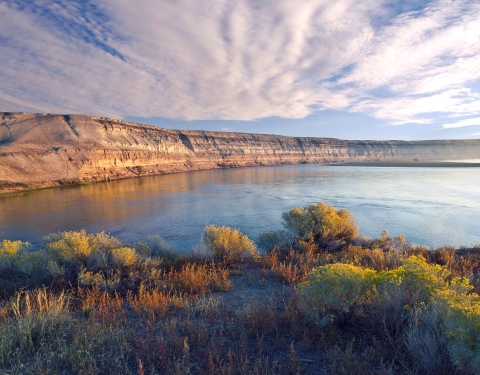
At Hanford Reach National Monument, national security and American heritage go hand in hand. For four decades, this land surrounded one of the country’s most important plutonium production sites, the Hanford Nuclear Reservation. Today, its mission has shifted from defense materials production to environmental restoration, waste management, and scientific research. Designated as a national monument national monument
A national monument is established by executive order of the president or by Congressional legislation. The Antiquities Act authorizes the president to proclaim “historic landmarks, historic and prehistoric structures, and other objects of historic or scientific interest” as national monuments. The National Wildlife Refuge System helps manage three national monuments: Hanford Reach National Monument in Washington state, Aleutian Islands World War II National Monument in Alaska and Tule Lake National Monument in California.
Learn more about national monument in 2000, today Americans can hike, boat, hunt, fish and enjoy many other outdoor activities on lands that were once closed to the public.
In 1943, the War Department, was searching for a suitable site to produce plutonium for the Manhattan Project as the U.S. was engaged in World War II. The relatively remote, high mountain desert of the Columbia Plateau in Washington offered a site alongside the mighty Columbia River, providing plentiful water and electricity generated by the river’s dams. An extensive buffer zone of land was established around the site, keeping people out but allowing animals and plants to thrive without human disturbance. Though not intentional, the boundary preserved biological and cultural resources that may have otherwise disappeared.
In August 2025, the community and partners gathered at the Reach Visitor Center to celebrate 25 years of conservation and public access to these treasured lands and waters. Across the country, units of the National Wildlife Refuge System generate billions of dollars in economic output and wages. They also contribute significantly to local, county, and state tax revenue—key drivers of the trillion-dollar outdoor recreation industry. As locals look to the future and plan for the monument’s continued protection, now is the perfect time to visit.
What will I do when I visit the Monument?
Visitors to the monument and the surrounding Tri-cities area will find themselves rich with options to experience the history and wildness that are palpable throughout the monument. Hiking, hunting, fishing, horseback riding, and boating are all options as you plan your monumental adventure.
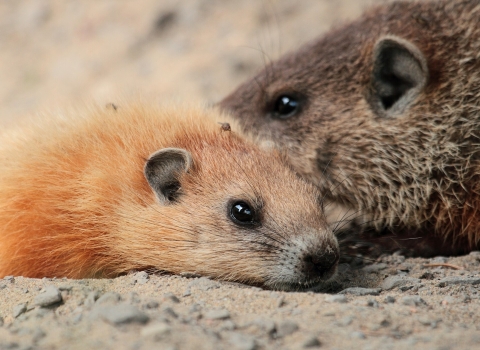
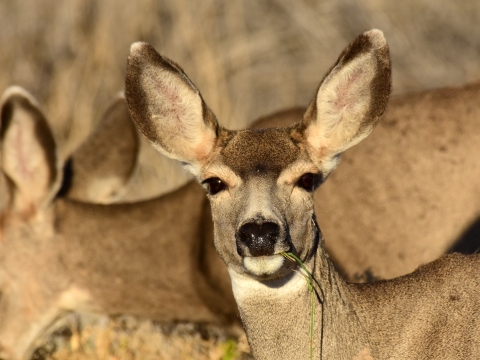
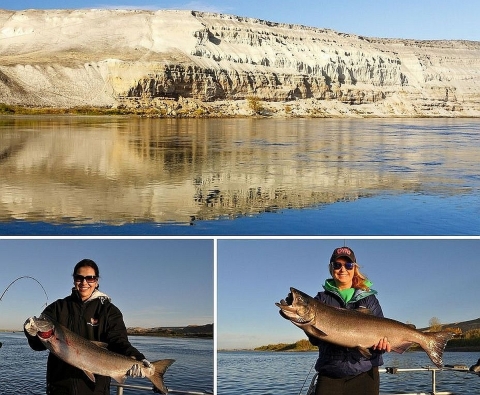
For many visitors, the wildlife viewing is a highlight of their visit. The monument protects more than 200 species of birds, 45 species of fish, 42 species of mammals, nine reptiles, four amphibian species, and over 1,600 species of insects. In the spring and summer, the desert plants bloom in rich colors that draw photographers from around the region. A hidden hiking gem, miles of service roads and trails throughout the monument are open to hiking, though hiking is not confined to the roads and trails in areas identified as open to the public. Recreational fishing draws locals and visitors alike. This stretch of the Columbia River supports about 80 percent of the total run of upper Columbia River fall chinook salmon, as well as abundant steelhead and massive sturgeon.
Over 66,000 acres of the monument are open for public use, with an additional 28,000 to open in the future.
Where can I access the Monument?
- The 24,055-acre Saddle Mountain Unit includes the basalt outcroppings of the Saddle Mountains. The highest view on the monument is from these areas. A journey through geologic history, on clear days you can see Mount Rainier, the Columbia River, and the flood-ravaged scablands of Columbia National Wildlife Refuge. Conditions are primitive, make sure you have a safety plan and enough water before heading out to enjoy the remote and beautiful unit!
- The Wahluke Unit-West, almost 30,000 acres in size supports a diverse array of habitats and wildlife. Yellow-headed blackbirds flit between the reeds at the Wahluke Ponds, the endangered White Bluffs bladderpod’s bright flowers are visible from the White Bluffs Overlook, and in the center of the unit, sagebrush sagebrush
The western United States’ sagebrush country encompasses over 175 million acres of public and private lands. The sagebrush landscape provides many benefits to our rural economies and communities, and it serves as crucial habitat for a diversity of wildlife, including the iconic greater sage-grouse and over 350 other species.
Learn more about sagebrush habitat restored by monument staff after a devastating wildfire in 2007 continues its rehabilitation through natural processes year after year.
- The Columbia River Corridor Unit includes 29,000 acres on the south and west banks of the Columbia River, 16 Columbia River Islands, and the Hanford Dunes. The free-flowing river section is popular for motorized and non-motorized boating and fishing. Though the river’s islands and shorelines are closed to the public, over 9,600 acres are open for folks to hike, bike, hunt, and ride horseback, and bank fish.
- The Ringold Unit is the smallest of the Monument’s units at 3100-acres, but it is the most accessible. Easy to reach parking areas are popular with birdwatchers, hunters, and anglers.
Know Before You Go
From sunrise to sunset each day you can visit the monument areas open to the public. The monument is not open to overnight camping. Most of the places folks can visit are quite remote, so make a safety plan and bring the water, food, and gear you need to keep yourself safe. Be aware of your surroundings when hiking, Pacific rattlesnakes reside in the monument and enjoy curling up on rocky ledges and outcroppings. Make sure to check the monument website before you visit for any safety announcements. If you have any questions, please reach out to the monument’s park rangers at 509-546-8300.