Written By



To celebrate America's 250th birthday, we at the U.S. Fish and Wildlife Service are highlighting the incredible wildlife that calls this beautiful country home. From American icons to subtle specialists, join us as we highlight seven species each week: one species for each of the 250 days leading up to America's 250th birthday.
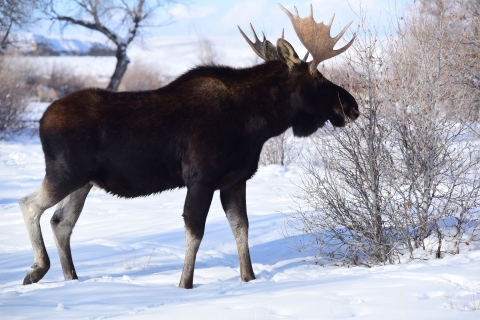
Moose (Alces alces)
The moose is a towering presence in northern forests and wetlands, measuring up to 7 feet at the shoulders. In the winter, food becomes scarce as snow gets deeper, leaving moose to browse on twigs. Males will shed their antlers between November and March.
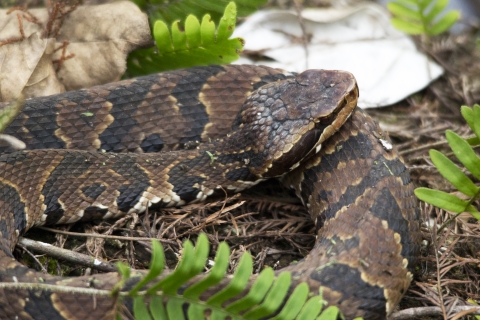
Cottonmouth (Agkistrodon piscivorus)
The cottonmouth or water moccasin is a semi-aquatic venomous snake found in southeastern states and known for its defensive display - gaping its white mouth to warn predators. As temperatures drop, cottonmouths shelter in burrows and activity slows.
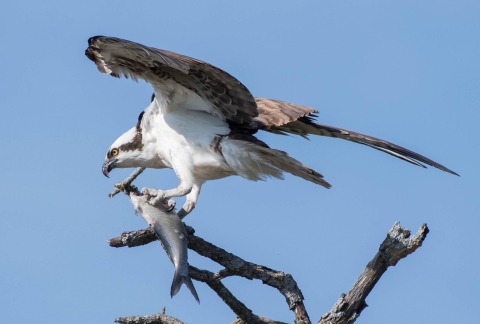
Osprey (Pandion haliaetus)
Ospreys are fish-catching raptors found near lakes, rivers and coastlines across much of North America. In the winter, most osprey migrate south to Central and South America, but some can be found year-round in warmer coastal areas.
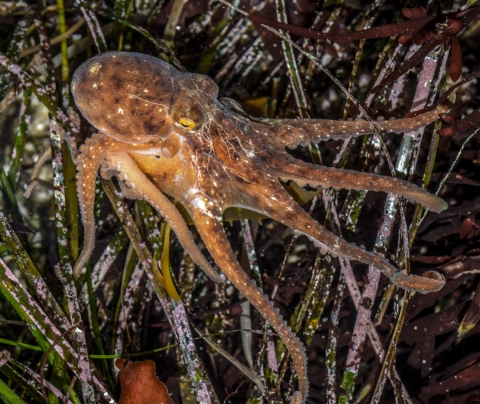
East Pacific red octopus (Octopus rubescens)
The Pacific red octopus is found from Alaska to Baja California. Known for its rusty red color and ability to change texture and hue, it is a master of camouflage and ambush hunting. This intelligent octopus was the first invertebrate where individual personalities were demonstrated.
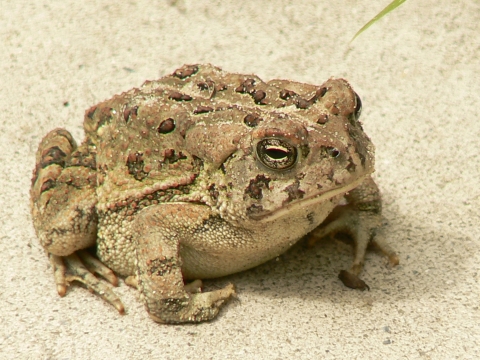
Fowler’s toad (Anaxyrus fowleri)
Fowler's toads are common across much of the eastern U.S. where they're found in areas with sandy soils including woodlands and fields. In the winter, they hibernate buried in loose soil or under leaf litter. Unlike many toads, they don't eat earthworms.
Orca (Orcinus orca)
With complex social structures and specialized hunting techniques, orcas are apex predators that work together to hunt fish, seals and even whales. Watch for them along the Pacific and north Atlantic coasts.

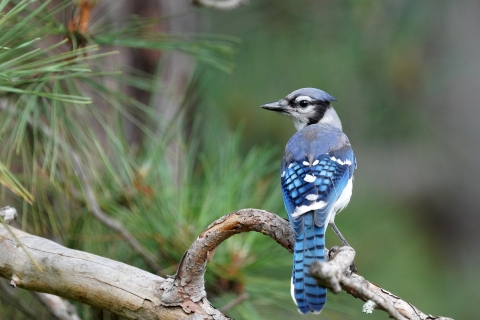
Blue jay (Cyanocitta cristata)
Blue jays are known for their striking color and loud calls. They can be found throughout much of the eastern and central U.S. year-round. In the winter, some may make short distance migrations to parts of the west.
Written By