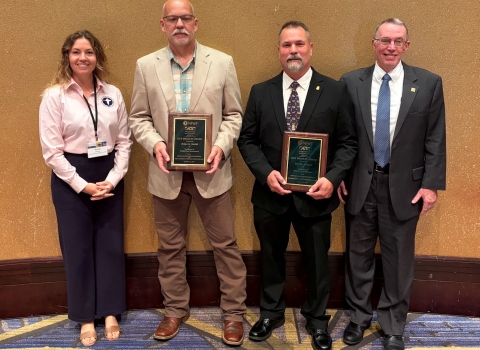
The State of Michigan is among 23 states that will share more than $11 million in Clean Vessel Act (CVA) Pumpout Grants, the U.S. Fish and Wildlife Service announced today. Michigan will receive a grant award of $60,000 that will be distributed to local governments and private marina owners for pumpouts and CVA related informational campaigns focusing on the Great Lakes.
The U.S. Fish and Wildlife Service is awarding more than $11 million to states under the Clean Vessel Act Pumpout Grant program. The grant awards will fund construction of sewage dump stations and pumpout stations for recreational boaters and educational programs that inform boaters about the importance of proper waste disposal.
"The Clean Vessel Act Pumpout Program exemplifies one of the many partnerships the Service has with the States," said Service Director Steve Williams. "Since its inception, forty-nine states have participated in this program to improve the quality of our Nations water and conserve fish and wildlife resources."
Congress passed the Clean Vessel Act in 1992, which established a federal grant program administered by the Service to help reduce pollution from vessel sewage discharges. Funding comes from the Sport Fish Restoration account, made up of revenues from excise taxes on fishing equipment, boats, and motorboat fuels. The Clean Vessel Act requires that pumpout stations in coastal environments receive funding preference, although proposals for inland facilities are also eligible for funding from the program. Federal funds can constitute up to 75 percent of all approved projects, with the remaining funds provided by the States or marinas. The Service has awarded more than $90 million to States for their Clean Vessel Act programs and efforts.
The U.S. Fish and Wildlife Service is the principal federal agency responsible for conserving, protecting and enhancing fish, wildlife and plants and their habitats for the continuing benefit of the American people. The Service manages the 95-million-acre National Wildlife Refuge System, which encompasses 544 national wildlife refuges, thousands of small wetlands and other special management areas. It also operates 69 national fish hatcheries, 64 fishery resources offices and 81 ecological services field stations. The agency enforces federal wildlife laws, administers the Endangered Species Act, manages migratory bird populations, restores nationally significant fisheries, conserves and restores wildlife habitat such as wetlands, and helps foreign and Native American tribal governments with their conservation efforts. It also oversees the Federal Assistance program, which distributes hundreds of millions of dollars in excise taxes on fishing and hunting equipment to state fish and wildlife agencies.