Michigan’s Detroit River International Wildlife Refuge will gain more than 400 acres of migratory bird habitat through land acquisition approved by the Migratory Bird Conservation Commission.
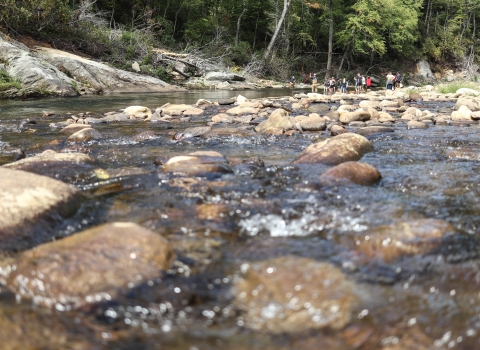
The commission approved the acquisition of the 409-acre Humbug Marsh, located along the Detroit River and home to birds such as osprey and eagles, as well as walleye and other fish. The marsh is also a key stopover for migratory waterfowl and songbirds.
The commission also announced $5.9 million in grants for habitat conservation to benefit migratory birds in the Midwest, in the states of Illinois, Indiana, Iowa, Michigan, Minnesota, Ohio and Wisconsin. More information about these grants is available on the Web at http://midwest.fws.gov/News/Release04-26.html.
The commission’s action, announced at its June 9 meeting in Washington, D.C., funded grants to states and other partners through the North American Wetlands Conservation Act (NAWCA) Small Grants program to meet important habitat goals for migratory birds. More than $18 million in grants were awarded nationwide.
The commission allocated revenue from the sale of the Migratory Bird Hunting and Conservation Stamp—also known as the Duck Stamp—to purchase 3,500 acres of key tracts of land for the Services National Wildlife Refuge System in Texas and West Virginia, in addition to the acquisition for Detroit River International Wildlife Refuge, located in Wayne County, Mich.
“ President Bushs support for wetlands conservation was clearly evident when he approved the reauthorization of the North American Wetlands Conservation Act, renewing that commitment and supporting increased funding through this outstanding public-private partnership program,” said Interior Secretary Gale Norton. “Wetlands provide excellent habitat for wildlife, and provide millions of Americans with a broad range of outdoor recreational opportunities.”
The NAWCA Small Grant Program funded 43 projects for nearly $2 million in 22 states and Puerto Rico to protect or restore nearly 12,000 acres of wetlands and associated upland habitats. Project partners added more than $11 million in matching funds. Since 1996, the Small Grant Program has funded grants totaling $10.2 million for 239 projects to conserve some 81,271 acres of habitat in the United States. More than 665 partners have added more than $69 million to those grants.
The Migratory Bird Conservation Commission also approved more than $16 million for 19 projects in Canada. Partners will add more than $22 million to the projects, which will conserve more than 1 million acres of wetlands.
Funding for this program comes from Congressional appropriations; funds collected from fines, penalties and forfeitures under the Migratory Bird Treaty Act; interest accrued to the Pittman-Robertson Wildlife Restoration Act; and excise taxes paid on small engine fuels through the Dingell-Johnson Sport Fish Restoration Act.
The Migratory Bird Conservation Commission also approved more than $6.4 million in Federal Duck Stamp funds to acquire land for the National Wildlife Refuge System. All acquisitions were previously approved by the affected states.
Money raised by the sale of Federal Duck Stamps pays for these land acquisitions. Since the first Duck Stamp sale in 1934, nearly $700 million has been raised to purchase more than five million acres of wetlands for the refuge system. In addition to approving the land acquisition for Detroit River International Wildlife Refuge, the commission also approved acquisition of nearly 3,000 acres on three national wildlife refuges in Texas, and of 155 acres for Canaan Valley NWR in West Virginia.
The Migratory Bird Conservation Commission meets three times a year to approve funding proposals for the NAWCA Small Grants Program and land acquisitions for the National Wildlife Refuge System. The Migratory Bird Conservation Act of 1929 established the commission to approve land to be purchased for the National Wildlife Refuge System with monies from the Migratory Bird Conservation Fund. The fund is supported by revenue collected from Federal Duck Stamp sales, import duties collected on arms and ammunition, right-of-way payments to the refuge system, and receipts from national wildlife refuge entry fees. For more information about the Federal Duck Stamp program, visit <http://duckstamps.fws.gov>.
For more information on the North American Wetlands Conservation Act, visit <http://birdhabitat.fws.gov/NAWCA/grants.html>.
The U.S. Fish and Wildlife Service is the principal Federal agency responsible for conserving, protecting and enhancing fish, wildlife and plants and their habitats for the continuing benefit of the American people. The Service manages the 95-million-acre National Wildlife Refuge System, which encompasses 544 national wildlife refuges, thousands of small wetlands and other special management areas. It also operates 69 national fish hatcheries, 64 fishery resources offices and 81 ecological services field stations. The agency enforces federal wildlife laws, administers the Endangered Species Act, manages migratory bird populations, restores nationally significant fisheries, conserves and restores wildlife habitat such as wetlands, and helps foreign and Native American tribal governments with their conservation efforts. It also oversees the Federal Assistance program, which distributes hundreds of millions of dollars in excise taxes on fishing and hunting equipment to state fish and wildlife agencies.