The recovery plan addresses four topics: site-specific management actions necessary to conserve and recover the Lake Erie water snake; an estimated time-frame for recovery; an estimated cost of the complete recovery of the species; and precise, measurable criteria that will allow the Service and others to objectively determine when recovery has been achieved. The draft recovery plan will guide all federal and state agencies whose actions affect the conservation of the Lake Erie water snake. The goal of the recovery plan is to bring populations to a point where Endangered Species Act protection is no longer necessary.
Copies of the Lake Erie water snake draft recovery plan will be available at the meeting.
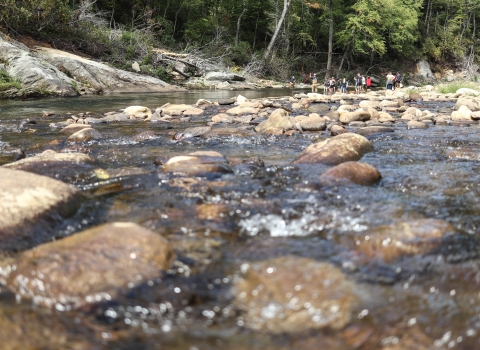
The Lake Erie water snake was listed as a threatened species in 1999 because its populations have experienced major declines during the past 150 years. Most of the population decline can be attributed to habitat loss, such as development of the snakes shoreline habitat with marinas and houses. The largest populations of the water snake in the United States occur on North, Middle, and South Bass Islands and Kelleys Island. The snakes spend the summer along the rocky shorelines of the islands and forage for fish in the lake. During the winter, Lake Erie water snakes hibernate underground.
The U.S. Fish and Wildlife Service is the principal federal agency responsible for conserving, protecting and enhancing fish, wildlife and plants and their habitats for the continuing benefit of the American people. The Service manages the 95-million-acre National Wildlife Refuge System, which encompasses 540 national wildlife refuges, thousands of small wetlands and other special management areas. It also operates 69 national fish hatcheries, 64 fishery resource offices and 81 ecological services field stations. The agency enforces federal wildlife laws, administers the Endangered Species Act, manages migratory bird populations, restores nationally significant fisheries, conserves and restores wildlife habitat such as wetlands, and helps foreign governments with their conservation efforts. It also oversees the Federal Aid program that distributes hundreds of millions of dollars in excise taxes on fishing and hunting equipment to state fish and wildlife agencies.