The decision comes approximately two months after the Regional Directors release of a Final Environmental Assessment (EA) and a Finding of No Significant Impact (FONSI), detailing these impacts and concerns. As a result of this approval, the Service is authorized to acquire interest in up to 12,845 acres of land to create a potential 13,540-acre Refuge, including existing public waters.
The Service plans to acquire lands from willing sellers. Any acquisition of lands by the Service will be dependent upon funding from Congress and the existence of willing sellers in the area.
The Refuge is part of a major wetland complex located in Morrison County, Minnesota, 5 miles southeast of Little Falls. The area contains important production and migration habitat for waterfowl and other migratory birds dependent on wetlands. It is one of the most important breeding grounds for greater sandhill cranes in central Minnesota. In addition, the area provides many opportunities to restore wetlands previously altered for agricultural purposes.
The area features two shallow lacustrine wetlands, Rice and Skunk Lakes, at the confluence of the Platte River, Skunk River, Rice Creek, and Buckman Creek. Spring runoff frequently inundates an extensive area in this vicinity. Habitat types include open water, wet meadows, hardwood forests, and large areas of sedges and grasses mixed with shrubs. Upland areas, most of which are used for agriculture, project into and surround this large wetland complex. In most years, the lakes produce a substantial wild rice crop. The area attracts large numbers of migrating and breeding waterfowl and supports breeding populations of a number of bird species uncommon in central Minnesota such as greater sandhill cranes, Le Contes sparrows, bobolinks, and upland sandpipers.
The primary purposes for the proposed Refuge are to protect, restore, and manage wetlands in support of the National Wetlands Priority Conservation Plan and the Prairie Pothole Joint Venture of the North American Waterfowl Management Plan; to provide resting, nesting, and feeding habitat for waterfowl and other migratory birds; to improve habitat for resident wildlife to protect endangered and threatened species and their habitats; to increase biodiversity; and to enhance public opportunities for outdoor recreation and environmental education.
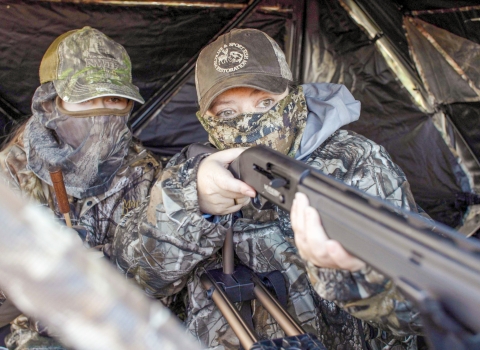
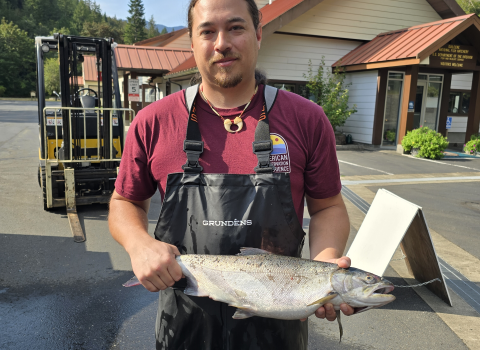
Lands within the National Wildlife Refuge System are public lands where wildlife and wildlands-oriented public use is generally encouraged as long as it is compatible with the primary resource purposes of the refuge. Public use would be varied and include both consumptive activities, such as hunting, fishing, and berry-picking; and nonconsumptive activities like photography, birdwatching, and auto touring. The specific activities that will be provided on the Refuge will be the subject of another planning effort by the Service to identify management activities and goals. This will be a formal planning effort and will once again include input from the public, conservation organizations, and natural resource agencies.
Rice and Skunk Lakes, as well as other designated public waters within the Refuge boundaries, will remain open throughout the Refuges development. Hunting of waterfowl, small game, and white-tailed deer may be permitted on certain Refuge lands in accordance with State regulations and licensing requirements. Areas open would depend on the outcome of management planning.
The Service is committed to protecting this Nations natural resources. This proposal offers the opportunity to work closely and cooperatively with conservation organizations, natural resource agencies, and the public to enhance and protect these valuable resources within Minnesota.
The U.S. Fish and Wildlife Service is the principal Federal agency responsible for conserving, protecting and enhancing fish, wildlife and plants and their habitats for the continuing benefit of the American people. The Service manages the 93-million-acre National Wildlife Refuge System which encompasses more than 530 national wildlife refuges, thousands of small wetlands and other special management areas. It also operates 66 national fish hatcheries, 64 fishery resource offices and 78 ecological services field stations. The agency enforces Federal wildlife laws, administers the Endangered Species Act, manages migratory bird populations, restores nationally significant fisheries, conserves and restores wildlife habitat such as wetlands, and helps foreign governments with their conservation efforts. It also oversees the Federal Aid program that distributes hundreds of millions of dollars in excise taxes on fishing and hunting equipment to state fish and wildlife agencies. For further information about the programs and activities of the U.S. Fish and Wildlife Service in the Great Lakes-Big Rivers Region, please visit our home page at: http://midwest.fws.gov