2006 National Survey of Fishing, Hunting, and Wildlife-Associated Recreation Idaho

The National Survey of Fishing, Hunting, and Wildlife-Associated Recreation is a partnership effort with the States and national conservation organizations, and has become one of the most important sources of information on fish and wildlife recreation in the United States. It is a useful tool that quantifies the economic impact of wildlife-based recreation. Federal, State, and private organizations use this detailed information to manage wildlife, market products, and look for trends. The 2006 Survey is the eleventh in a series of surveys conducted about every 5 years since 1955. The Survey is conducted at the request of the state fish and wildlife agencies. The U.S. Fish and Wildlife Service coordinates the Survey, and the U.S. Census Bureau collects the data by computer-assisted interviews. It is funded by grants from the Multistate Conservation Grant Program authorized by the Wildlife and Sport Fish Restoration Programs Improvement Act of 2000. The following types of data are pr
Publication date
Facility
a lynx walks warily through the snow between willow shrubs
Yukon Flats Refuge is the nation’s third largest wildlife refuge. With the Brooks Range to the north and the jagged limestone peaks of the White Mountains to the south, this refuge encompasses the so-called "Yukon Flats" - a vast fire-dependent area of wetlands, forest, bog, and low-lying ground...
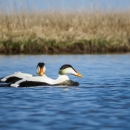
Male common eiders in the water at Yukon Delta National Wildlife Refuge in Alaska
Alaska's Yukon Delta National Wildlife Refuge is vast and productive. The refuge nestles between Alaska’s largest rivers, the Yukon and the Kuskokwim Rivers, where the tundra meets the Bering Sea. Its diversity of habitats support one of the largest aggregations of waterbirds in the world. The...
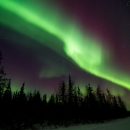
A vivid green streak of light across the sky marks the Northern Lights - the aurora borealis - over Koyukuk National Wildlife Refuge in Alaska.
Koyukuk Refuge lies within the extensive floodplain of the Koyukuk River of interior Alaska, about 270 miles west of Fairbanks and contains a unique geological feature: the Nogahabara Sand Dunes. The refuge's rich wetlands combine with lowland boreal forests of spruce, birch and aspen to support a...
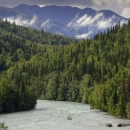
A boat heads down a river lined by forests and mountains.
The Dena’ina people call this special place “Yaghanen” - the good land. It's also known as the Kenai National Wildlife Refuge.  From ice fields and glaciers to tundra, forests, and coastal wetlands, the Kenai Refuge is often called “Alaska in miniature." Biodiversity is unusually high for this...
Kanuti Flats aerial view with spotted bodies of water.
The Athabascan name for Kanuti is "Kk'toonootne" which translates to "well traveled river by both man and animals." Kanuti Refuge is about the size of the state of Delaware and straddles the Arctic Circle, with approximately a third of the Refuge above the Circle and two-thirds below it. Kanuti...
alternative text
Arctic National Wildlife Refuge sustains people, wildlife, and fish in the northeastern corner of Alaska, a vast landscape of rich cultural traditions and thriving ecological diversity. It is located on the traditional homelands of the Iñupiat and Gwichʼin peoples. Approximately the size of...
Media Usage Rights/License
Public Domain
Subject tags
Wildlife refuges
Wildlife management
Wilderness
Waterfowl
Trapping
Surveying
Research
Oil production
Military
Mammals
Law enforcement
History
Habitat conservation
Fishes
Employees (USFWS)
Bird banding
Aviation