May brings American Wetlands Month, and with it comes the familiar sounds of wings over cattails and the quiet ripple of backwaters alive with fish. It’s this time of year when wetlands remind us that beyond vital habitats, they also offer us places to go afield, reasons to return, and unforgettable outdoor opportunities. For outdoor enthusiasts, wetlands are more than just places on a map. They are where outdoor skills are sharpened, traditions are carried on, and the connection between people and resources are strengthened season after season.
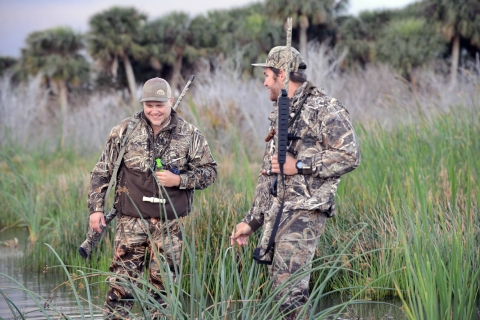
From southern cypress swamps to prairie potholes and coastal estuaries, wetlands create habitat and outdoor access. These landscapes produce ducks, geese, and other migratory species, because they provide what these birds need at every stage of life. For hunters, these areas mean early mornings in blinds and harvesting waterfowl to feed families and communities. Without healthy wetlands, these waterfowl populations would decline, and with them, access to our outdoor pursuits.
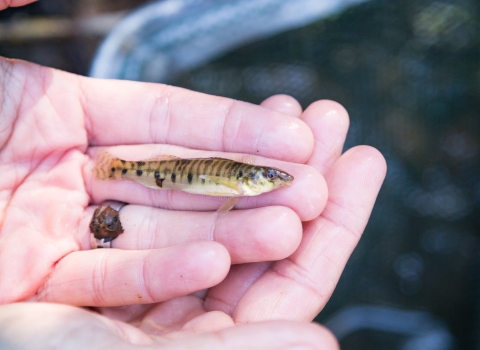
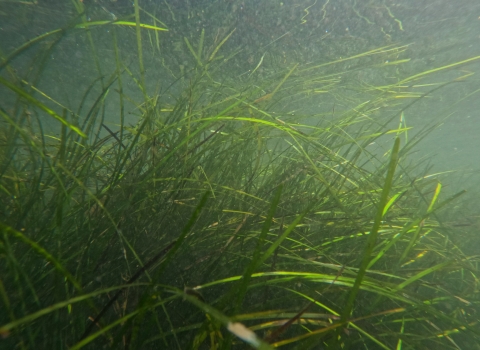
For anglers, wetlands are just as essential. They are the sheltered nurseries of our fisheries, where young fish find food, shelter, and a chance to grow. Bass, trout, salmon, and many other species benefit from these productive waters. Beyond providing breeding and rearing habitat for fish populations, wetlands also improve water quality by filtering pollutants and stabilizing shorelines, creating better conditions for fishing.
Today, wetlands cover less than 6 percent of the lower 48 states with millions of acres having been filled or drained for agriculture and infrastructure. What’s left today is only a fraction of what once stretched across the country. Much of what remains has endured thanks in part to the American System of Conservation Funding. Central to this funding system is the industry-state-federal partnership created through two landmark conservation laws: the Pittman-Robertson Act and the Dingell-Johnson Act. Through these acts, federal manufacturer excise taxes on firearms, ammunition, archery equipment, fishing tackle, and a portion of the federal gas tax that is attributable to motorboats and small engines supports conservation efforts. When these federal funds are matched with state hunting and fishing license dollars and other non‑federal contributions, they collectively flow into the restoration and management of millions of acres of habitat.
Wetlands across the country have benefited from this investment. Programs like the North American Wetlands Conservation Act (NAWCA) have taken those federal excise tax dollars and turned them into millions of acres of wetlands acquired, restored, and enhanced for wildlife and people alike. Designed as a collaborative, continent-wide initiative, NAWCA embodies the integrated nature of wetland conservation combining federal funding, local partnerships, and science-based management.
Through NAWCA federal funds derived from manufacturer federal excise taxes on firearms, ammunition, and select archery equipment are used to leverage additional financial support from non-federal partners. The vital contributions of these non-federal partners, including state governments, conservation organizations, and private landowners, enables the successful partnership. For every dollar of federal funding provided through NAWCA, partners typically contribute at least one matching dollar, sometimes more. This multiplies the impact of the program and encourages collaboration across sectors. To date, this $2.28 billion generated from federal excise taxes has been matched with an additional $4.53 billion in partner funding contributions benefiting wetlands across North America.
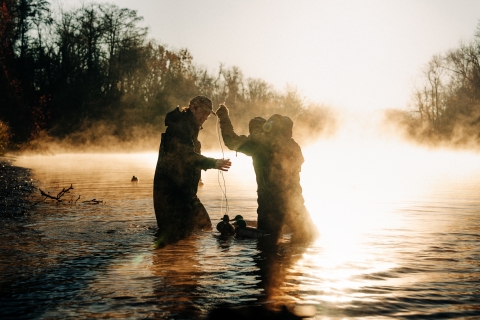
These wetland investments equal more birds in the flyway, enhanced hunting and fishing opportunities, and more days afield with family and friends. American Wetlands Month is a celebration of these productive landscapes and the conservation funding system that continues to sustain wildlife, support our outdoor conservation heritage, and protect the places where these connections thrive.