Written By



To celebrate America's 250th birthday, we at the U.S. Fish and Wildlife Service are highlighting the incredible wildlife that calls this beautiful country home. From American icons to subtle specialists, join us as we highlight seven species each week: one species for each of the 250 days leading up to America's 250th birthday.
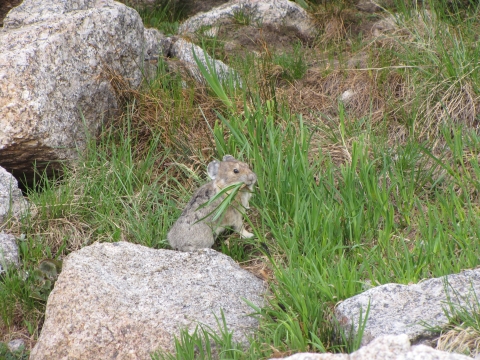
American pika (Ochotona princeps)
The American pika is a small, round mammal with big ears and a loud voice, found in rocky alpine areas of the west. Since they don't hibernate in the winter, they spend summers gather and drying plants to eat during the snowy months.
Gopher tortoise (Gopherus polyphemus)
Gopher tortoises are an iconic species of southeastern states, famous for digging deep burrows that provide shelter for hundreds of other animals. Winters are spent in burrows, but they'll still surface on warm, sunny days.

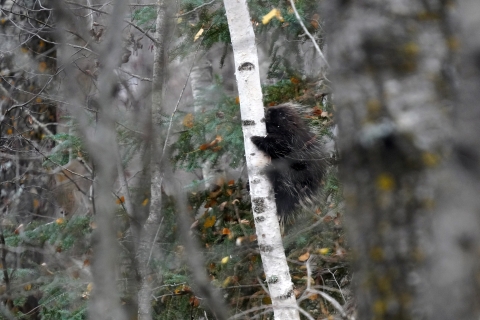
North American porcupine (Erethizon dorsatum)
North American porcupines can be found in forests, woodlands and even tundra across much of North America. They're mostly solitary and nocturnal, climbing trees to feed. Covered in sharp quills, they're well defended.
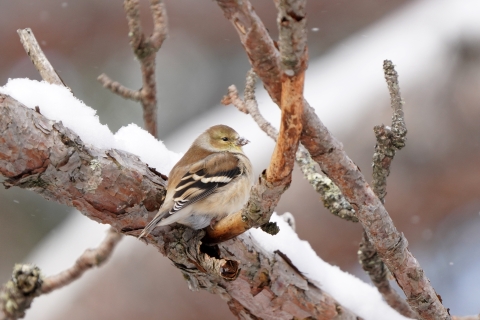
American goldfinch (Spinus tristis)
American goldfinches are small, vibrant songbirds found year-round across much of the United States. While their winter plumage isn't as vibrant, they're still pretty easy to recognize. Watch for flocks feeding on thistle, sunflower and grass seeds.
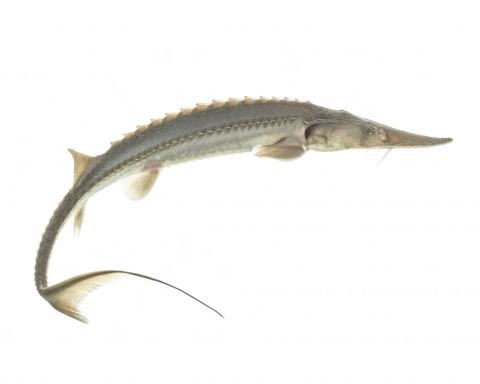
Pallid sturgeon (Scaphirhynchus albus)
Pallid sturgeons are native to the Missouri and Mississippi River systems. Known for its armored body and long, shovel-like snout, these bottom-dwelling fish can live for decades. In the winter they become less active, resting in deep, slow-moving channels.
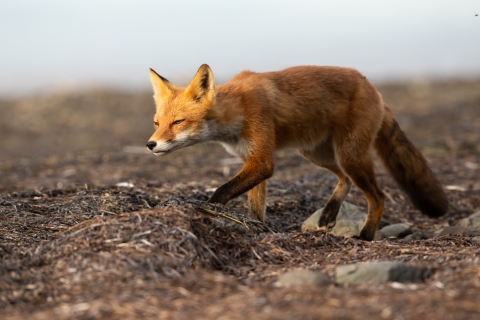
Red fox (Vulpes vulpes)
The red fox is one of the most widespread and adaptable mammals in North America. They remain active all winter, hunting for small mammals like mice and voles, using their sharp hearing to pinpoint prey even beneath snow.
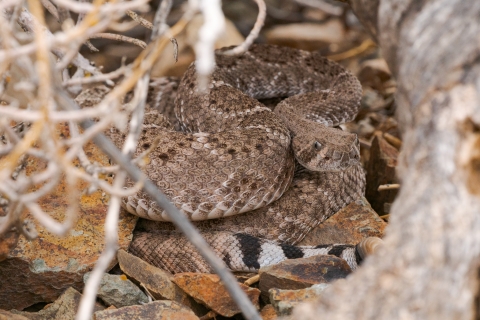
Western diamondback rattlesnake (Crotalus atrox)
The western diamondback is a venomous rattlesnake native to the deserts and scrublands of the southwest. Recognizable by its bold diamond pattern and buzzing rattle, it plays an important role in controlling rodent populations. They spend winters mostly inactive, taking shelter in rock crevices and burrows.
Written By