

Written By

U.S. Fish and Wildlife Service biologists monitoring the progress of the Comprehensive Everglades Restoration Plan (CERP) were excited to hear that up to 20 Florida manatees used the manatee mitigation feature south of Port of the Islands marina in Collier County, Florida, in January and February.
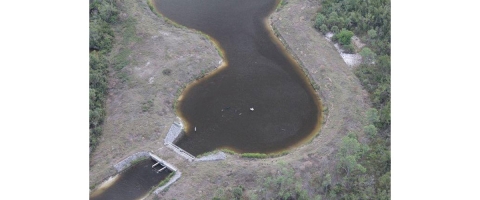
That manatee mitigation feature is a refugium built by the South Florida Water Management District a couple of years ago. A refugium is a place with fairly constant temperatures that species shelter in. For manatees, that place is full of warm water.
“That these manatees found this ‘replacement’ refugium and seem to be hanging out there in greater numbers is extremely good news and has been a long time coming,” says Service Biologist Kim Dryden.
As far back as 18-20 years ago, Kim and other biologists were concerned that CERP initiatives to fill canals at Picayune Strand would result in the loss of a warm water refugium within the Port of the Islands Marina there.
Historically, the marina site has been used by up to 300 manatees as a thermal refugium. But the initiatives would alter, if not eliminate the existing manatee refugium — potentially causing manatee mortality and cold-water stress.
“We predicted that the refugium at the marina would disappear once we filled in the canals because that would stop the freshwater flows that kept the warm water lens in place in the marina,” says Kim. “That was good for everything else, but not for maintaining that warm water refugium.”
Several alternative mitigation measures were discussed between the Service, the U.S. Army Corps of Engineers and the South Florida Water Management District (SFWMD). Ultimately, they agreed that it would be best to build a refugium.
The new manatee refugium is on lands managed by Rookery Bay Aquatic Preserve and is next to Ten Thousand Islands National Wildlife Refuge and Fakahatchee Preserve State Park. The site is managed by the SFWMD Big Cypress Basin and the Florida Department of Environmental Protection, and currently monitored by the Florida Fish and Wildlife Conservation Commission (FWC). Long-term monitoring will be conducted by the Service and FWC. Three 20-feet-deep pools are continuously monitored by the SFWMD for warm-water temperatures associated with a salt-water aquifer accessed by the construction.
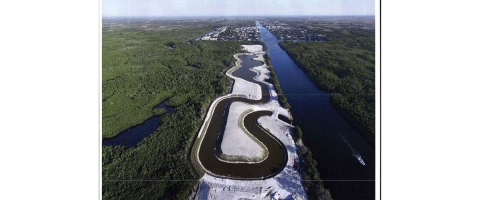
Wildlife managers are very encouraged that manatees are using the warm-water pools, which also offers relief from human disturbance associated with boating and marina activities.
“This means manatees will continue to have a very large and somewhat safer warm water refugium in Southwest Florida and that the restoration elements of the project are actually improving habitat foraging opportunities. It’s cool to see a plan come together after years of planning. Kudos to Kim and our CERP partners for making this happen for an iconic species like manatees,” says Bob Progulske, the Service’s Everglades Restoration Project Leader.
Written By


