America’s public lands are built over generations through laws, executive actions, and legislative commitments to conservation. While the landscapes themselves may feel timeless, their protection reflects decisive leadership across centuries and administrations.
Presidents Day offers an opportunity to look back at our history and focus on how leadership and policy have helped shape the nation’s conservation legacy.
Laying the Foundation
Conservation in the United States didn’t appear fully formed. It was built over time, brick by brick, beginning with presidents who laid the foundation for protecting wildlife and wild places.
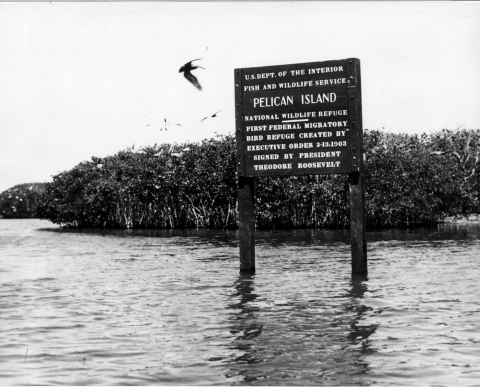
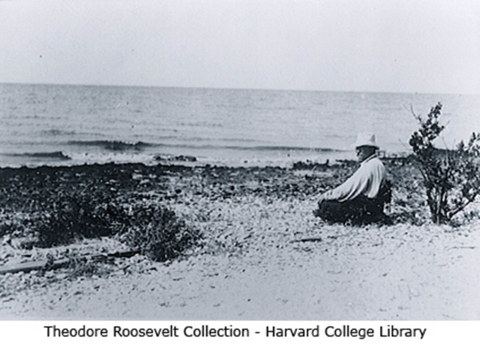
Theodore Roosevelt recognized the growing pressures on wildlife at the turn of the 20th century. His leadership helped establish the first national wildlife refuges, including Pelican Island, protecting seabirds from overexploitation and setting a precedent for federal wildlife conservation.
Abraham Lincoln took action during the Civil War to preserve Yosemite Valley, demonstrating that safeguarding natural landscapes could remain a national priority even in times of division and conflict.
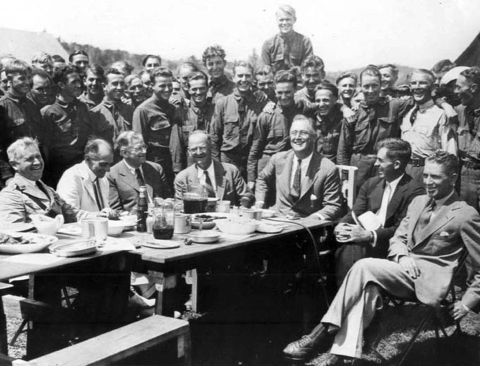
Franklin D. Roosevelt expanded nationwide conservation efforts through large-scale public works programs during the Great Depression. Programs like the Civilian Conservation Corps employed Americans while improving public lands. That work continues to benefit national wildlife refuges through infrastructure still in use today.
Conservation Across Generations
As the conservation movement gained momentum in the United States, presidential actions increasingly focused on systems like how lands are funded and managed for the long term. Even when their impact wasn’t immediately obvious, these decisions helped ensure public lands could be protected and maintained into the future.
The Great American Outdoors Act Great American Outdoors Act
This landmark conservation law, enacted in 2020, authorizes the use of up to $1.9 billion a year in energy development revenues for five years for needed maintenance to facilities and infrastructure in our wildlife refuges, national parks, forests, recreation areas and American Indian schools.
Learn more about Great American Outdoors Act
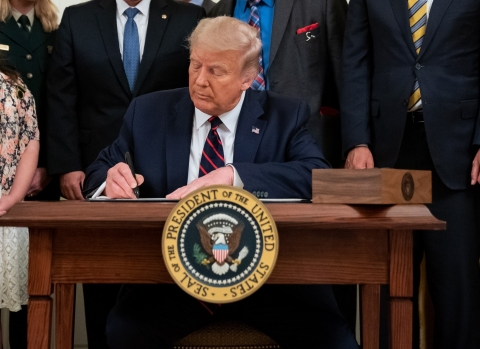
A major milestone came in 2020 with passage of the Great American Outdoors Act, signed into law by President Donald J. Trump.
The act:
- Permanently funded the Land and Water Conservation Fund at $900 million annually
- Established mandatory funding to address the deferred maintenance backlog and improve public safety across public lands
For the U.S. Fish and Wildlife Service, these provisions translated into tangible, on-the-ground benefits:
- Investments in essential infrastructure, including roads, visitor centers, water systems, and accessibility improvements
- Greater capacity to maintain facilities that support both wildlife conservation and public use
The Great American Outdoors Act strengthened the foundation that supports daily refuge operations. From habitat conservation to visitor access and law enforcement presence, these investments help ensure national wildlife refuges remain safe and protected for generations to come.
From Policy to Place
Presidential decisions may begin as signatures on paper, but their impact is measured in habitats protected and experiences made possible for the public. Over time, these choices shape the places Americans return to again and again and often without realizing how they came to be protected.
As the nation marks the Freedom 250 celebration, commemorating 250 years since America’s founding, we use moments like Presidents Day to reflect not only on the history of our country’s leaders, but also on the lands and waters that help define the American experience.
A Fee-Free Presidents Day
This year, Presidents Day is a fee-free day at all Interior-managed public lands, including national wildlife refuges.
It’s an invitation to explore these places and reflect on the long history behind them. It’s an opportunity to recognize that conservation is a shared, ongoing effort and one that was built over generations and carried forward by dedicated public servants and communities.