Written By

Nature is full of pleasant surprises, and some of our favorites are the wildly different collective nouns used to describe various species. From a "murder" of crows to a "band" of coyotes, these unique terms not only reflect the behavior and characteristics of animals but also add a touch of whimsy to the natural world. Join us on this journey as we explore some fascinating groups of animals!
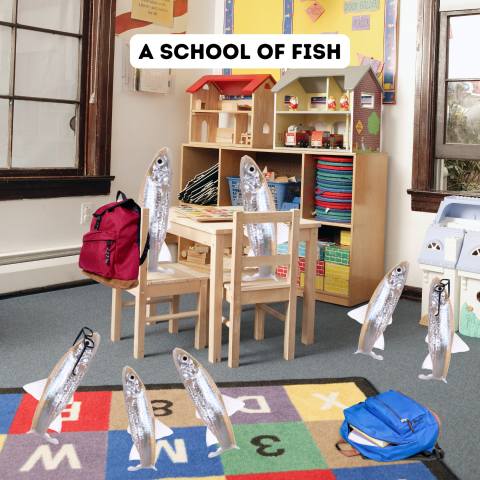
A school of fish ft. the river shiner
“Welcome explorers! So much to see, so much to learn. Let's go!” - Mr. Ray, Finding Nemo
A “school” of fish refers to groups of fish swimming together, reminiscent of students in a classroom. This collective behavior serves important purposes: it offers protection from predators, enhances foraging efficiency, and showcases mesmerizing patterns in the water.
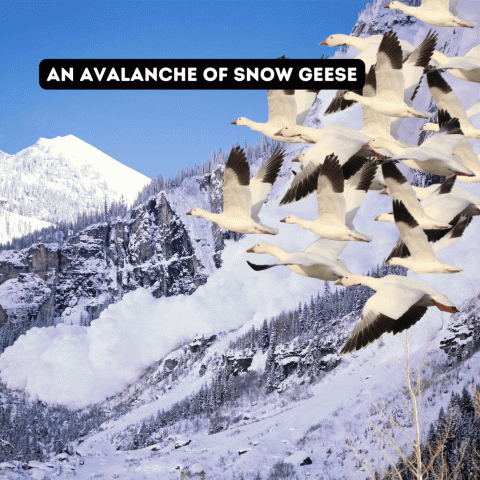
An avalanche of snow geese
In late winter/early spring, large numbers of snow geese migrate back to their breeding grounds in the Alaskan and Canadian Arctic. When these large flocks form, they resemble the strikingly large size of an avalanche – especially when they collectively take flight or land. If you want to try your hand at birdwatching for the spring migration, visit any of the states in the Central Flyway!
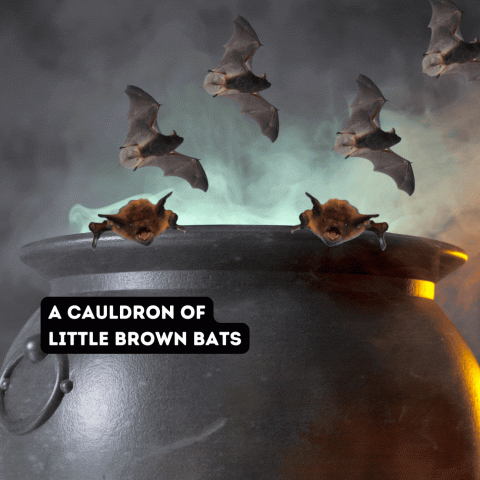
A cauldron of little brown bats
A cauldron of bats might sound scary, but bats are more helpful than they are haunting. Bats are our allies in pest control, pollination, and seed dispersal. When large groups of bats are circling in flight, they resemble the mysterious swirling and bubbling of a cauldron.
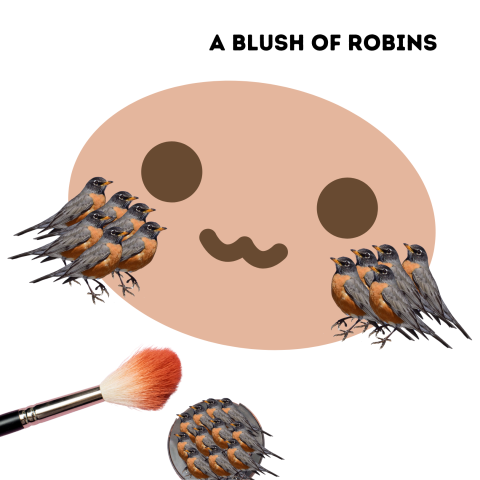
A blush of robins
Commonly a sign of renewal and good luck, American robins can be found all throughout North America. These birds are often associated with spring but in many areas, these birds can be found year-round depending on local conditions and breeding range. With their most notable, orange bellies, a group of robins can create a breathtaking sight and are often called a blush.
A business of black-footed ferrets
Black-footed ferrets are usually solitary animals, outside of breeding season or when moms are taking care of their kits. When BFFs do come together, they are always staying busy, embracing the hustle and bustle, and are very resourceful. One might say they have mastered the art of business!

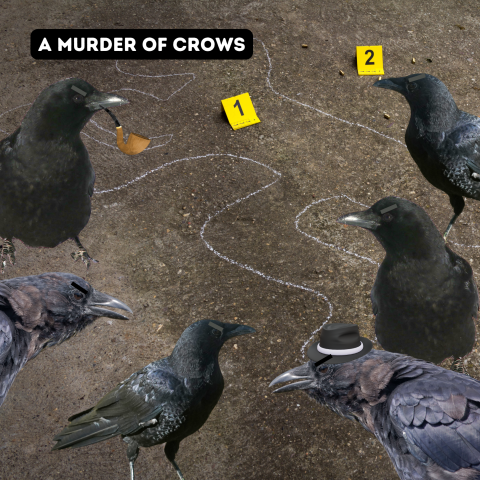
A murder of crows
American crows are often associated with death, misfortune, and bad luck - likely due to their dark plumage and behavior of eating carrion. With these grim suspicions surrounding the species, a group of them was deemed a “murder.” Contrary to their reputation, crows are actually super cool, intelligent, and resourceful! From sneaking eggs out of nests, stealing fish from river otters, or pecking up your dog’s food, these clever creatures can find food anywhere.
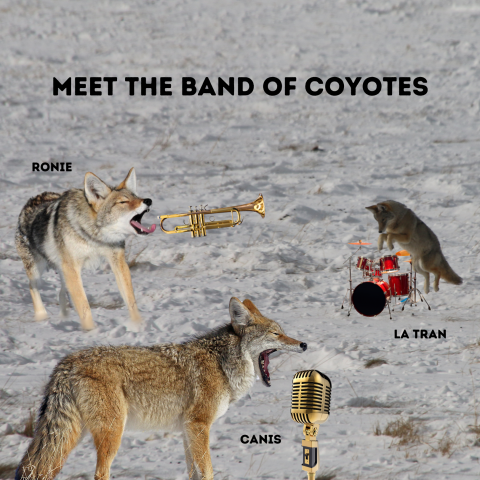
A band of coyotes
Coyotes are predators and opportunistic feeders that are often found in family units called bands or packs. They live and can be heard throughout rural and urban areas of North America. Known for their common and frequent howling and yapping, their songs can be heard throughout the day but especially in the evenings and early mornings. They make quite the band!
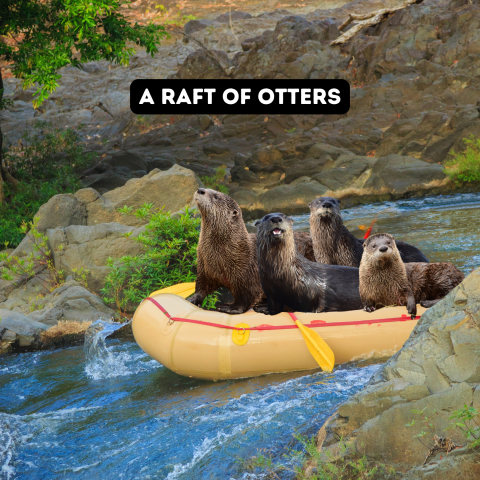
A raft of North American river otters
Silly and playful, North American river otters are pros in the water. They slither and glide but will always make sure to rest with their friends and family. Together, otters will float on their backs, often holding hands or wrapping themselves in vegetation. As extremely social animals, floating together in the water is a part of the otter lifestyle and they can be referred to as a raft!
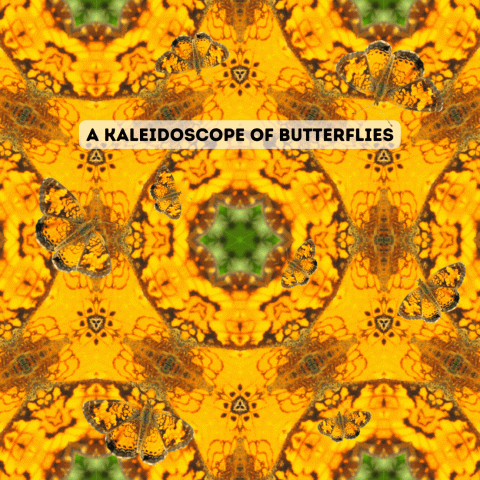
A kaleidoscope of Northern crescent butterflies
Gentle flutters and a multitude of colors make butterflies captivating to witness, especially when they’re seen in a group or otherwise known as a kaleidoscope. Northern crescent butterflies are common in the northern parts of the U.S. and southern part of Canada. Whether it’s to drink water and nectar or for seasonal migrations, butterflies unite to experience life together, just like we all do!
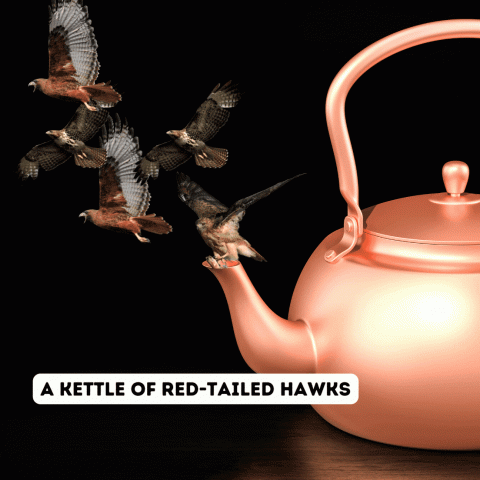
A kettle of hawks
Spot of tea, anyone?
Kidding, of course. Hawks don’t drink tea! A group of hawks is only called a “kettle” when it exhibits a particular behavior. During migration, these birds take advantage of thermals, which are rising columns of warm air. By riding these currents, they conserve energy and give their wings a breather. While doing so, hawks often spiral gracefully in the sky, resembling the steam swirling from a boiling kettle.