An invasive species is any plant or animal that has spread or been introduced into a new area where they are, or could, cause harm to the environment, economy, or human, animal, or plant health. Their unwelcome presence can destroy ecosystems and cost millions of dollars.
Learn more about invasive species sampling in Lake Michigan near Chicago.
The Great Lakes Aquatic Invasive Species Early Detection and Monitoring Program is part of the Great Lakes Restoration Initiative’s efforts to protect and restore the Great Lakes from aquatic invasive species. The U.S. Fish and Wildlife Service, in collaboration with partners, leads and implements sampling to detect new fish and invertebrate aquatic invasive species as early as possible. Preventing the introduction of new invasive species into the Great Lakes is the most proactive and cost-effective way to protect native fish and wildlife, their habitats and the services they provide to surrounding communities.
In collaboration with partners, the Great Lakes Aquatic Invasive Species Early Detection and Monitoring Program will optimize and implement a sampling strategy to detect new Aquatic Invasive Species before they become established or expand to new locations within the Great Lakes Basin.

The Great Lakes are an extraordinary ecosystem that millions of lives depend on—whether through the freshwater they provide, the jobs they support, or the habitats they sustain for fish and wildlife. Spanning international borders, this vast freshwater system is a vital shared resource. In fact, the Great Lakes make up the largest freshwater system on Earth, holding 20% of the planet’s surface freshwater. Recognizing its importance, the U.S. and Canadian governments, along with regional partners, launched the Great Lakes Restoration Initiative in 2010. This collaborative effort represents a major investment in protecting and restoring the health of the lakes, ensuring that surrounding communities, ecosystems, fish and wildlife populations continue to thrive.
Restoring the Great Lakes is huge undertaking that can only be done through tremendous collaboration. Together, the U.S. Environmental Protection Agency and 15 other federal agencies, including the U.S. Fish and Wildlife Service, state agencies, tribal nations, and non-governmental organizations work together to address the most significant environmental concerns of the Great Lakes. Within the establishment of the Great Lakes Restoration Initiative, there are five focus areas: (1) toxic substances and Areas of Concern (these are areas in the Great Lakes that are environmentally degraded); (2) invasive species invasive species
An invasive species is any plant or animal that has spread or been introduced into a new area where they are, or could, cause harm to the environment, economy, or human, animal, or plant health. Their unwelcome presence can destroy ecosystems and cost millions of dollars.
Learn more about invasive species ; (3) nonpoint source pollution; (4) habitat and species; and (5) foundations for future restoration actions.
In total, the U.S. Fish and Wildlife Service has guided implementation of projects representing more than half a billion dollars in conservation investments through interagency agreements with the U.S. Environmental Protection Agency, supporting strategic investments across all Great Lakes states. These efforts are strengthened through a partnership with tribes, federal and state agencies, private entities, and other partners. A key priority of the Great Lakes Restoration Initiative is preventing the introduction and spread of invasive species. The Great Lakes Aquatic Invasive Species Early Detection and Monitoring Program, led by the Service, plays a central role in this effort. Given the scale and connectivity of the region, the program relies on strong partnerships to effectively monitor for threats. Safeguarding the Great Lakes from invasive species is critical—not only for the health of the lakes themselves, but also because they serve as a potential invasion pathway to 31 states within the Mississippi River Basin.
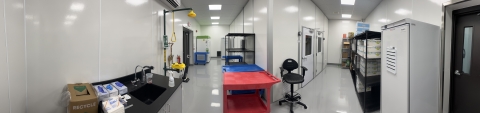
The Great Lakes Aquatic Invasive Species Early Detection and Monitoring Program, established in 2014, works to identify emerging aquatic invasive species in the Great Lakes before they become established and to monitor the spread of known invaders. The program relies on the best available science and continuously refines its strategies based on the latest data. It includes three core components. The Invasive Carp environmental DNA (eDNA) program, launched in 2009, focuses on detecting invasive carp through genetic material found in water samples. In 2022, the program began developing a metabarcoding component to enhance species detection through advanced genetic analysis. Metabarcoding is a powerful tool that lets scientists identify many different species from just one water sample. By 2024, the Whitney Genetics Lab had renovated its facilities to receive and process metabarcoding samples. In 2025, the Northeast Fisheries Center finished construction for a new metabarcoding lab. The eDNA and metabarcoding efforts complement traditional sampling methods by helping field crews identify which species might be present, so they can bring the right gear and improve their chances of catching live fish. This integrated approach significantly improves the likelihood of early detection and enables more effective responses to invasive species threats.