


Rio Mora
Watrous, NM 87753
Plan Your Visit
Located in the transitional zone of the Great Plains and the Southern Rocky Mountains Rio Mora National Wildlife Refuge is a unique 4,224-acre refuge surrounding a portion of the Mora River. Containing short grass prairies, riparian wetlands, piñon/juniper, oak and coniferous forests supporting a wide range of plant and animal life, including endangered species. Established due to a generous land donation in 2012, the refuge prioritizes research, restoration, and education and allows visitors to hike on the Juniper Nature Trail or participate in educational programming.
Trails
- Juniper Trail: 2.25 miles; accessible year-round; natural surface with moderate difficulty.
Visitor Tips:
Temperatures and weather close to the base of the Sangre de Cristo Mountains can change quickly. Visitors are encouraged to bring plenty of water, sunscreen, and insect repellant, binoculars, spotting scopes, cameras, telephoto lens, field guides (especially for birds), and snacks. The best time to see wildlife on the refuge is around sunrise and sunset.
Check local weather to ensure you have dressed properly for the current season. It is recommended to always wear layered clothing, sturdy hiking shoes and a hat.
There is no charge to visit.
From Interstate 25:
To get to the Rio Mora Administrative Office: Take exit 364 and turn west onto Highway 161. Go about 5 miles west on Hwy 161. Near mile marker 16 there is the Rio Mora National Wildlife Refuge and Conservation Area Main Welcome Area.
To get to the Juniper Trail parking area: continue on the NM 161 road 5.5 miles until you see a gravel road going north (County Road 016-Loma Parda County Road). Cross the cattle guard and continue down Loma Parda County Road approximately 1 mile until you get to the Juniper Trail parking lot. (N 35.834030° W 105.078270°)
From Highway 518:
To get to the** Rio Mora Administrative Office**: Take Highway 161 west from Buena Vista. Go about 16 miles east on Hwy 161. Continue on the NM 161 road 16 miles until you see a double cattle guard and gravel road going north, this is the Rio Mora National Wildlife Refuge and Conservation Area Main Welcome Area.
To get to the Juniper Trail parking area: Take Highway 161 west from Buena Vista. Continue on the NM 161 road 14.5 miles until you see a gravel road going north (County Road 016-Loma Parda County Road. Cross the cattle guard and continue down Loma Parda County Road approximately 1 mile until you get to the Juniper Trail parking lot. (N 35.834030° W 105.078270°)
Activities


Get Involved
While National Wildlife Refuges are here for wildlife and the American people, there are things you can do to help!
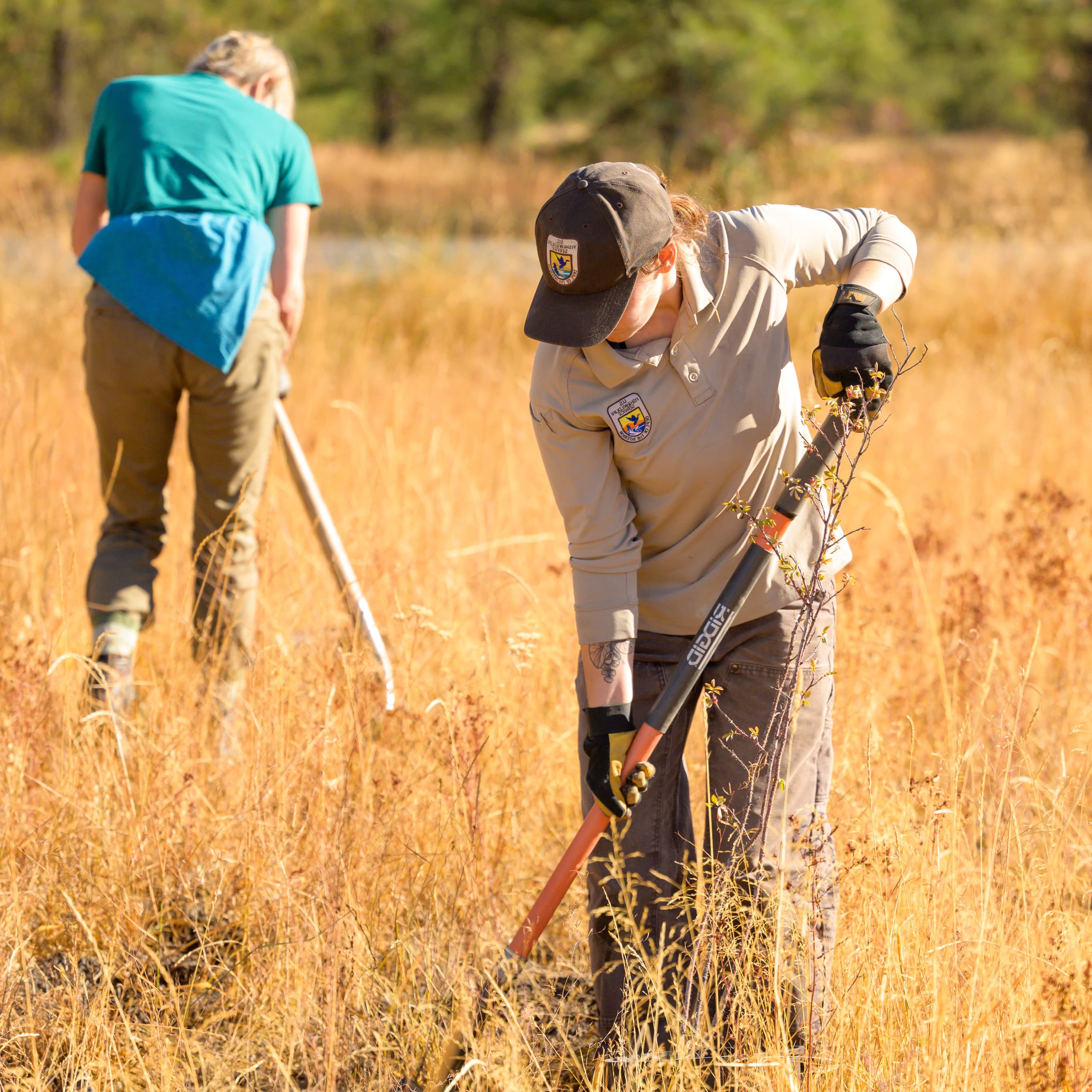
Working with others to conserve, protect, and enhance fish, wildlife, plants, and their habitats for the continuing benefit of the American people.
Services
Rio Mora National Wildlife Refuge and Conservation Area offer educational facilities for groups to learn about the refuge, its history, and sciences from within our educational area in the canyon of the refuge. If this is something your group is interested in reserving for an event or program, please contact us at 505-398-6481.
Educational Programming and Outreach:
Our team would love to be a part of your event or host you at the refuge. Rio Mora National Wildlife Refuge and Conservation Area offer educational facilities for groups to learn about the refuge, its history, and sciences from within our educational area in the canyon of the refuge. Our staff can also provide field trips and curriculum-based lessons for all students alike. For event inquiries please email: alyssa_lu@fws.gov.
Projects and Research:
National Wildlife Refuges use a wide range of land management tools based on the best science available. Some refuges use prescribed fires to mimic natural fires that would have cleared old vegetation from the land helping native plants regenerate and local wildlife to thrive. Other refuges contain Wilderness areas where land is largely managed passively and exclude modern technologies. The management tools used are aimed at ensuring a balanced conservation approach where both wildlife and people will benefit.
About
Rio Mora National Wildlife Refuge and Conservation Area, established in 2012 through a land donation, is located in the transition zone between the Great Plains and the Southern Rocky Mountains. The refuge contains 4,224 acres of shortgrass prairie, riparian wetlands, piñon/juniper, oak, and coniferous forests all surrounding a meandering five miles of the Mora River. This variety of habitat supports a wide range of animal and plant life, including endangered species. The refuge partners with many local and state organizations to facilitates research, restoration and education.
