


Location
States
ArizonaIntroduction

The Wildlife Corridors property at Three Canyons Ranch near Patagonia, AZ is at the heart of a swath of land identified by biologists as an essential migratory route for many wildlife species, including jaguars. It was once slated to be a 189-lot, high-density housing development. Following the development’s bankruptcy, the property was purchased by the local conservation group, Wildlife Corridors LLC and the affiliated Borderlands Restoration with the intention of creating a single conservation easement conservation easement
A conservation easement is a voluntary legal agreement between a landowner and a government agency or qualified conservation organization that restricts the type and amount of development that may take place on a property in the future. Conservation easements aim to protect habitat for birds, fish and other wildlife by limiting residential, industrial or commercial development. Contracts may prohibit alteration of the natural topography, conversion of native grassland to cropland, drainage of wetland and establishment of game farms. Easement land remains in private ownership.
Learn more about conservation easement covering the northern 80% of the property within the mainstay of the wildlife corridor wildlife corridor
To maintain healthy species populations and ecosystems, fish and wildlife need the freedom to move and migrate. As habitats and migration routes are affected by climate change and fragmented by roads, fences, energy development and other man-made barriers, wildlife struggle to reach necessary areas to feed, breed and find shelter. A wildlife corridor is a piece of undeveloped land connecting two habitats so wildlife can move safely between them.
Learn more about wildlife corridor .
Key Issues Addressed
Linkages between undeveloped habitat are essential for genetic flow and biodiversity of wildlife species. These linkages, often called wildlife corridors, are increasingly threatened as human populations expand. Urbanization, agriculture, highways and other human development have led to habitat fragmentation and the overall disruption of migratory paths used by animals.
The conservation easement property preserves a critical corridor segment while managing for multiple use and enjoyment of the property by the surrounding communities. By involving local communities in learning from and tending to their local watershed, the property also serves to educate the public about the importance of undeveloped spaces for wildlife movement.
Project Goals
- Strategic acquisition of land identified as an important habitat linkage for several wildlife species
- Community engagement and education
- Management for moderate recreational use, ecological restoration, and wildlife corridor integrity
Project Highlights
- Community Engagement: Public outreach and the dedication of community members who care deeply about the border region and its resident wildlife continue to be key factors project success. Regular reports to the county, local officials, and residents help raise awareness and increase for engagement. An array of people including youth, seasoned professionals, county officials, local contractors, retirees, and artists have found ways to care about a place they previously didn’t know existed.
- Mixed Model of Funding: With cumulative expenses anticipated to be$2.4M by 2020, the Wildlife Corridors LLC Business Plan calls for income of roughly $3.2M from a combination of lot sales, grants, and philanthropic donations to the non-profit organizations Biophilia Foundation and BioR, 501-3-c. These organizations purchase the development rights on land in the corridor so it can be protected under a conservation easement. Furthermore, the partners have pledged that 80% of any profit made from the sale of lots will go into a dedicated fund for the maintenance and improvement of the wildlife corridor.
Lessons Learned
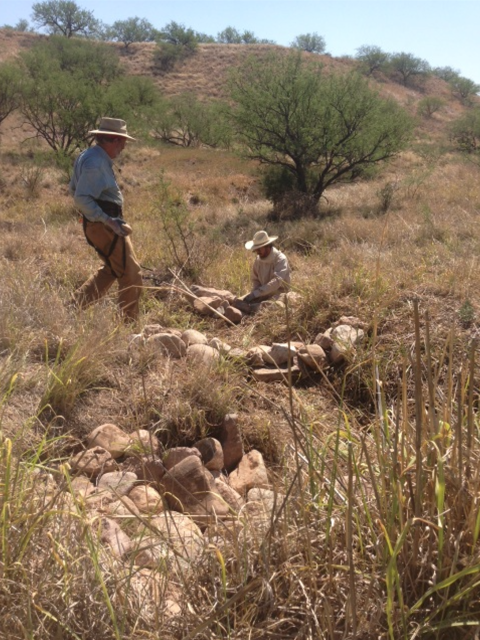
“Un-development”: The purchase of the Three Canyons Ranch property initiated the conversion of 189 platted housing lots and fragmented conservation easement into a wildlife-only corridor where human impacts remain minimal
- Considering and responding to community perceptions was vital in early stages and throughout the process. Public and private variables were carefully tended to through consistent and strong communication.
- Close work with the bank that held the foreclosed mortgage, including attending to the lender’s values, needs and desires initiated success. Likewise, respectful work with existing lot owners, the easement holder, and the former development owner enabled the work to continue and morale to remain high.
- Future efforts of this nature should research interested parties thoroughly in order to gauge financial contribution potential and other forms of interest. Creative options for funding should be explored and assessments should be conducted of how much time and money are required for long-term property management.
- A major challenge of this effort involves sustaining conservation with limited financial resources. Parsing out intricate legal and real estate nuances of the property acquisition is time-consuming and challenging.
Next Steps
- Involved groups and individuals continue to seek funding to pay for the property and a viable conservation easement in addition to restoration and education activities
- Continued restoration and ecological monitoring including erosion assessments and rock-structure installation, wildlife camera traps, and pollinator habitat plantings
- Continue to work with Santa Cruz County in de-platting housing lots to create a comprehensive easement with continuous, unbroken corridor space
Partners
- Ron Pulliam
- Jack May
- Seibert Ecological Restoration LLC
- Many community members of the region
Funding Partners
- AZ Department of Forestry and Fire Management
- US Fish and Wildlife Service
- Private Contributions to Biophilia Foundation and BioR, 501-3-c
Resources
- Arizona Missing Linkages: Patagonia-Santa Rita Linkage Design by AGFD and NAU
- Sonoita Creek Wildlife Corridor Protection and Management: Sky Island Restoration Cooperative Resource Brief 2014
- Wildlife Corridors Website
Contact
- David Seibert, dseibert@email.arizona.edu
Case Study Lead Author
- Ashlee Simpson, CART Graduate Research Assistant, University of Arizona
Suggested Citation
Simpson, A. C. (2018). “Wildlife Corridors: Preserving and Restoring Critical Habitat Linkages in the US-Mexico Borderlands.” CART. Retrieved from https://www.fws.gov/project/restoring-critical-habitat-linkages-borderlands.
