Invasive species management

Invasive plant monitoring, control and eradication at Bandon Marsh NWR

Invasive plants are one of the most frequently cited threats to biological integrity, diversity, and environmental health within the National Wildlife Refuge System because of their negative impact on habitat structure, species composition, and overall function of ecological communities. The refuge collaborates with partners on the eradication of Gorse and other high priority noxious weeds. Annual inventories and the application of control methods to eradicate noxious weeds are a high priority activity at Bandon Marsh NWR. 

Annually, refuge staff map the location of known invasive plants. Based on a set of prioritized weeds, control methods are applied. In addition to mapping, monitoring and controlling existing weed species, the refuge staff also conduct surveys in all refuge habitat types to identify new pioneer species of concern. This method enables early detection of highly concerning species so that a rapid response for eradication can be applied. 
News

Colored lights decorate the cozy interior of the Dolly Varden log public use cabin at Kenai Refuge on Dolly Varden Lake.
For many, the holiday season is a time of gathering, traveling, and gift-giving. The last thing on anyone’s mind is likely invasive species. However, the season brings about unique opportunities for their potential spread.
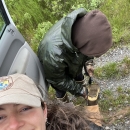
Biologist smiling while lifting a boot up to have friend clean dirt out of tread.
Invasive species are well known to be bad. But what makes a species invasive? There are two key components that determine if a plant, animal, or other living organism is invasive: # 1. Thrive in an environment where they don’t naturally live and #2. Cause Harm (or are likely to cause) to economic,...
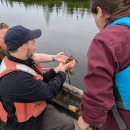
Researchers holding aquatic vegetation from the lake while sitting on the side of a boat.
Thankfully, in Alaska, right now we’re ahead of the curve with many invasive species. But before you celebrate that news, it’s important to understand that staying early on the invasion curve requires strategic dedicated efforts.