Invasive species management

Rapid response generally includes a suite of actions to eradicate or prevent the further spread of invasive species invasive species
An invasive species is any plant or animal that has spread or been introduced into a new area where they are, or could, cause harm to the environment, economy, or human, animal, or plant health. Their unwelcome presence can destroy ecosystems and cost millions of dollars.

Learn more about invasive species
discovered, and verified, in early detection efforts. We are collaborating with the State of Alaska and other partners to respond to a variety of infestations such as Northern Pike on the Kenai Peninsula (pike were illegally introduced to southcentral Alaska), and Elodea or orange hawkweed throughout the state. The timelines for each of these rapid response efforts can vary by species, location, and other factors.  

To facilitate rapid response to new detections of invasive species, we developed rapid response plans for terrestrial and submerged aquatic plants, and freshwater mussels and snails, as well as rats. These rapid response plans facilitate improved communication among decision-makers. Similarly, we prepared environmental impact assessments for site-specific invasive species removal efforts per the National Environmental Policy Act. These proactive documents help streamline the timing of response efforts to minimize the potential negative impacts invasive species have on Alaska’s lands and waters.  

Facilities

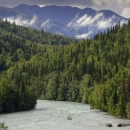
A boat heads down a river lined by forests and mountains.
The Dena’ina people call this special place “Yaghanen” - the good land. It's also known as the Kenai National Wildlife Refuge.  From ice fields and glaciers to tundra, forests, and coastal wetlands, the Kenai Refuge is often called “Alaska in miniature." Biodiversity is unusually high for this...

News

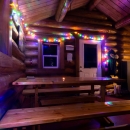
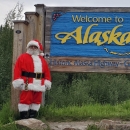
Colored lights decorate the cozy interior of the Dolly Varden log public use cabin at Kenai Refuge on Dolly Varden Lake.
For many, the holiday season is a time of gathering, traveling, and gift-giving. The last thing on anyone’s mind is likely invasive species. However, the season brings about unique opportunities for their potential spread.
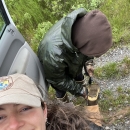
Biologist smiling while lifting a boot up to have friend clean dirt out of tread.
Invasive species are well known to be bad. But what makes a species invasive? There are two key components that determine if a plant, animal, or other living organism is invasive: # 1. Thrive in an environment where they don’t naturally live and #2. Cause Harm (or are likely to cause) to economic,...
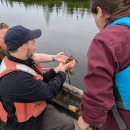
Researchers holding aquatic vegetation from the lake while sitting on the side of a boat.
Thankfully, in Alaska, right now we’re ahead of the curve with many invasive species. But before you celebrate that news, it’s important to understand that staying early on the invasion curve requires strategic dedicated efforts. 
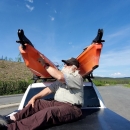
Watercraft inspector physically inspecting two kayaks on top of truck roof rack for aquatic invasive species.
Just as Gandalf famously declared 'You shall not pass!' to protect the passageway from great evil in Lord of the Rings, we must continue a similar attitude in our prevention of zebra mussels. These tiny, invasive mussels pose a serious threat to our waterways, ecosystems, and infrastructure. By...

Contact

Programs

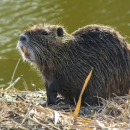
A large, wet, furry brown rodent standing on grassy land next to a body of water
Invasive species are non-native plants, animals and other living organisms that thrive in areas where they don’t naturally live and cause (or are likely to cause) economic or environmental harm, or harm to human, animal or plant health. Invasive species degrade, change or displace native habitats,...

Species