


Ruby Lake
Ruby Valley, NV 89833-9802
Plan Your Visit
Visit Us
Things to do: Wildlife viewing and photography, boating, fishing, waterfowl hunting, auto touring, touring the Gallagher State Fish Hatchery, and history touring
Ruby Lake serves as a magnet for a wide diversity of wildlife species and is strategically located along migration corridors serving both the Pacific and Central Flyways. The refuge has been identified as one of 500 Globally Important Bird Areas by the American Bird Conservancy. The National Park Service designated the South Marsh a National Natural Landmark because of the biological diversity and pristine condition of the habitat. The refuge is one of the most important waterfowl nesting areas in the Great Basin and Intermountain West.
The South Marsh supports the largest population of nesting canvasback ducks west of the Mississippi River (outside Alaska), and holds the highest concentration of nesting canvasbacks in North America. Due to habitat loss elsewhere in the Great Basin, the refuge has become increasingly important to resident wildlife, including mule deer, pronghorn antelope, and sage grouse. The refuge fishery is popular with local anglers.
Visitors must travel 13 to 30 miles of gravel road to reach the Refuge from any direction. Harrison Pass, a steep, rough, and winding road, is not passable in winter and is never recommended for large trailers or motor homes. Routes from Highway 50 can be very muddy to impassable in wet weather or during snow-melt. Drifting snow can make travel on any route impossible except for the largest of 4WD vehicles. Visitors should check with Refuge headquarters about road conditions, especially November through May.
Activities


Get Involved
You could be a part of the story at Ruby Lake. With a small staff and short summers, there is a lot of work to be done during the warm months. Many hands make light work!
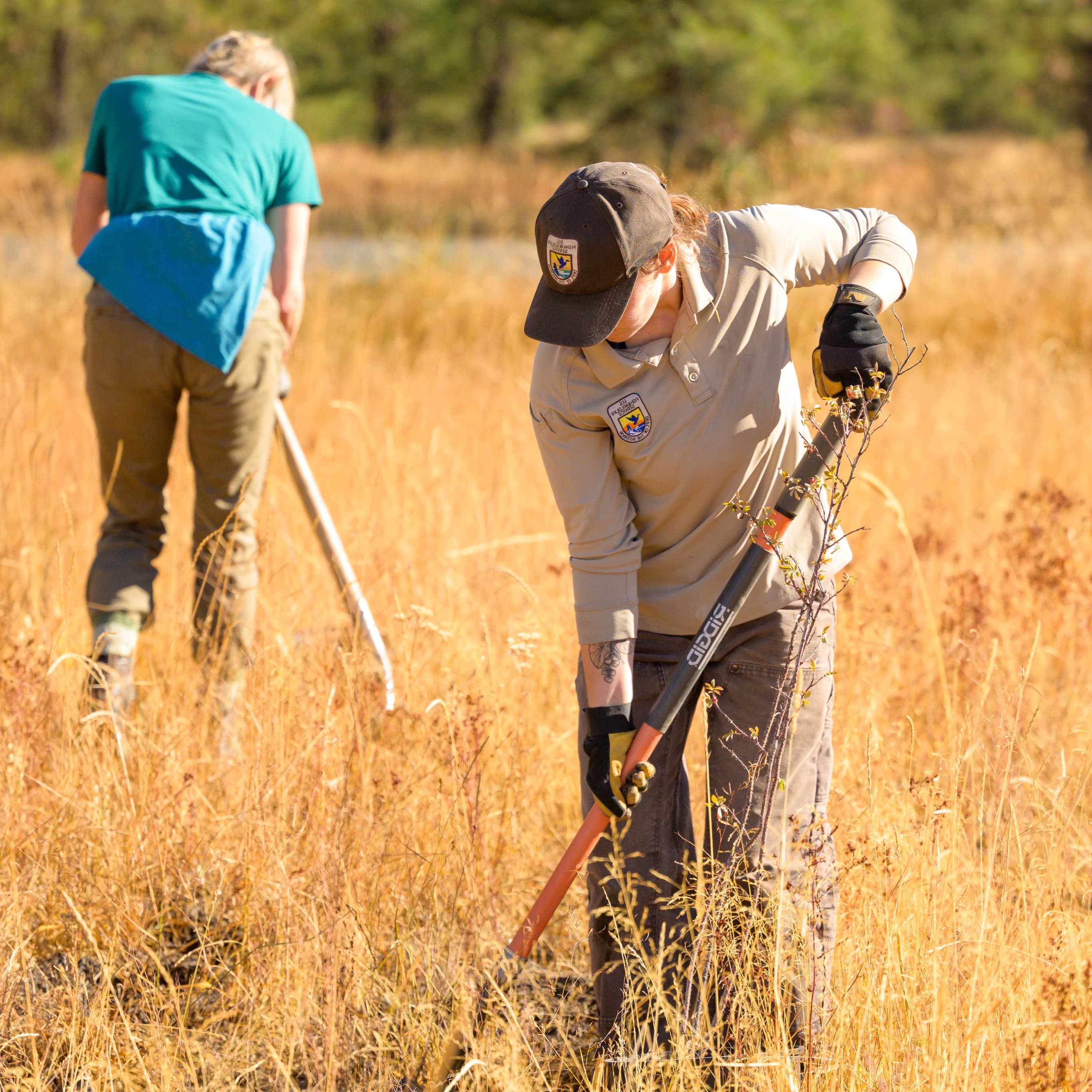
Working with others to conserve, protect, and enhance fish, wildlife, plants, and their habitats for the continuing benefit of the American people.
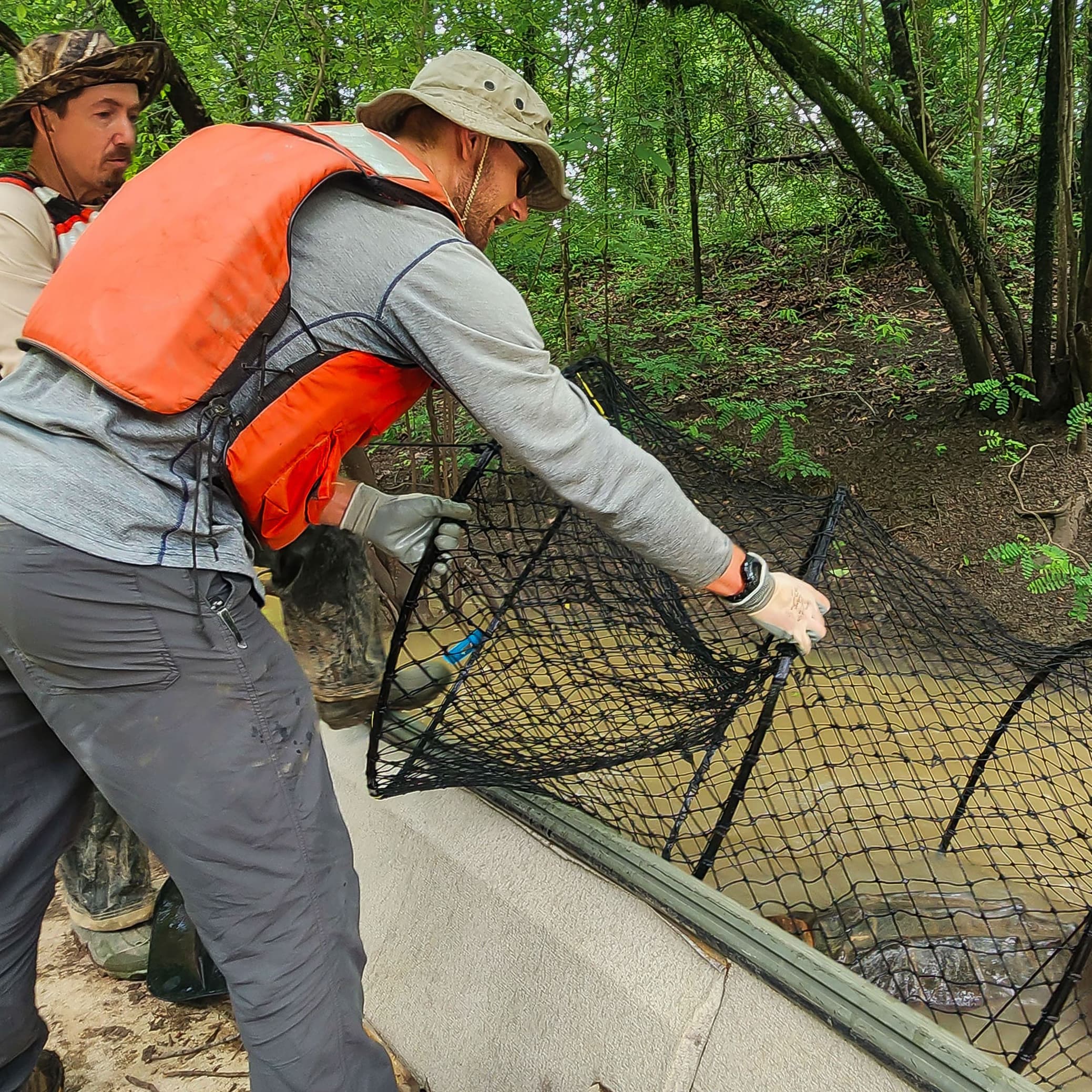
Work with Us
Our dedicated employees perform a wide range of jobs at national wildlife refuges and national fish hatcheries and with public, tribal and private partners.
We hope you’ll join us in advancing our mission of working with others to conserve, protect and enhance fish, wildlife, plants and their habitats for the continuing benefit of the American people.
About
Explored in 1859 by Captain J.H. Simpson, Ruby Valley has a rich history as an alternative route to the west coast and a wintering site for the Sho-sho-nees. The refuge contains historic markers for the Hastings Cutoff Trail, used by the Donner Party, and stands as the former site of the Fort Ruby military post and a Pony Express station. Established in 1938, it serves as a critical breeding ground for migratory birds and a conservation site for the native Relict Dace fish. Visitors can also see the preserved 1880s pioneer cabin and grave site of Jacob Bressman.
