


Sonny Bono Salton Sea
Calipatria, CA 92233-9744
Plan Your Visit
Recreation at Sonny Bono Salton Sea National Wildlife Refuge
Sonny Bono Salton Sea National Wildlife Refuge offers a variety of recreational opportunities throughout the year. From observing diverse wildlife and exploring desert trails to taking in the Salton Sea’s unique geology, there is something for nature enthusiasts, birders, photographers, and curious explorers alike. Recreation is managed to provide opportunities for visitors while protecting the wildlife and habitats that make the refuge special.
The refuge’s visitor facilities and recreational opportunities are located primarily in two areas: Unit 1 and Unit 2. Before visiting, check current refuge access information and weather conditions. Conditions can change quickly, particularly during periods of extreme heat or heavy rain. Bring water, sun protection, and binoculars, and enjoy discovering what the refuge has to offer.
Unit 1
Located near the intersection of Bannister and Vendel roads, Unit 1 contains the majority of the refuge’s accessible wetlands and offers excellent opportunities for wildlife viewing and photography. Visitors can walk the Hardenberger Trail, use either of the two photography blinds, or enjoy views of the surrounding wetlands from the observation tower and platform near the parking lot. A visitor kiosk provides information, and an outhouse is available on-site.
Unit 2
Refuge Headquarters and Visitor Center
The Refuge Headquarters and Visitor Center is a great starting point for exploring the refuge. Visitors can browse the gift shop and bookstore, view the bird diorama, use the flush restrooms and water fountain, or head outside to explore the Rockhill Trail.
The Rockhill Trail is a 2-mile out-and-back hike through the refuge’s desert upland landscape. The trail ends atop a small, active mud volcano, where visitors can take in sweeping views of the Salton Sea and surrounding shoreline while standing at approximately sea level. As the Salton Sea has receded over time, it has exposed new stretches of lakebed and changed the landscape around the refuge.
Waterfowl Hunting
The Hazard and Union hunting areas within Unit 2 are open to waterfowl hunting during the fall and winter months. Hunters should follow all applicable California Department of Fish and Wildlife (CDFW) rules and regulations.
Refuge staff do not sell Federal Recreational Lands Passes. You can buy them online from the U.S. Geological Survey's online store.
The Senior and Access passes are good for the lifetime of the holder and make available (to the pass holder only) 50 percent discounts on some expanded amenity fees. Plastic Golden Age or Access passes are valid for the pass holder's lifetime and do not need to be exchanged.
GPS Directions
GPS provides directions to both the Refuge Visitor Center/Headquarters and Unit 1.
- Visitor Center/Headquarters: Search for Sonny Bono Salton Sea National Wildlife Refuge Visitor Center or enter 906 W. Sinclair Road, Calipatria, CA.
- Unit 1: Search for Sonny Bono Salton Sea National Wildlife Refuge - Unit 1. Unit 1 does not have a physical street address.
Driving Directions to the Visitor Center/Headquarters
From Interstate 10 East: Take the Highway 86 South exit toward Brawley/El Centro. Continue south on Highway 86 for approximately 15 miles. Turn left onto Route 195, also known as 66th Avenue. At the next stop sign, turn right onto Highway 111 and continue south for approximately 60 miles. After passing through Niland, continue south for approximately 4 miles to Sinclair Road and turn right. Head west on Sinclair Road until you reach the Refuge Headquarters parking lot. Sinclair Road ends at the Refuge.
From Interstate 10 West: Take the Dillon Road exit south toward Highway 86 South. Continue south on Highway 86 for approximately 15 miles. Turn onto Route 195, also known as 66th Avenue. At the next stop sign, turn right onto Highway 111 and continue south for approximately 60 miles. After passing through Niland, continue south for approximately 4 miles to Sinclair Road and turn right. Head west on Sinclair Road until you reach the Refuge sign and parking area. Sinclair Road ends at the Refuge.
From Interstate 8, traveling in either direction: Exit onto Forrester Road and travel north toward Westmorland. Continue north through Westmorland on Forrester Road, which becomes Gentry Road. Continue north on Gentry Road until you reach the Refuge sign and parking area. Gentry Road ends at the Refuge.
Driving Directions to Unit 1
From Highway 86/78, follow signs toward Westmorland. Near Westmorland, follow the route toward Bannister Road and Vendel Road. Continue to the intersection of Bannister Road and Vendel Road, where the entrance to Unit 1 is located.
Activities


More Activities
Featured Species


Get Involved
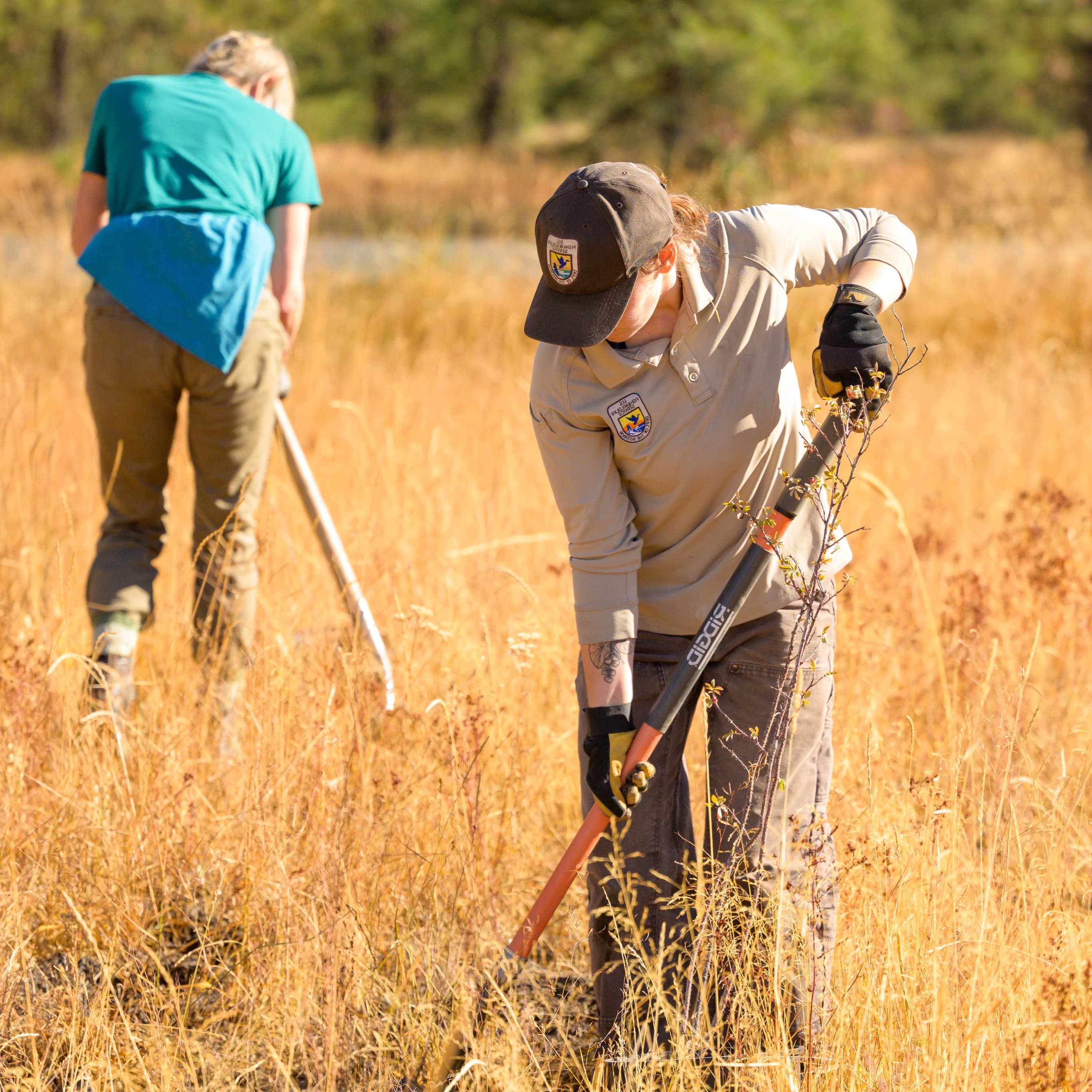
Volunteering or interning at Sonny Bono Salton Sea National Wildlife Refuge is a rewarding opportunity to support wildlife conservation, gain hands-on experience, develop new skills, and connect with nature. Whether welcoming visitors, helping students explore the outdoors, assisting with wildlife surveys, or supporting refuge maintenance, participants make a meaningful contribution while enjoying the experience of working with the U.S. Fish and Wildlife Service.
Volunteer and Internship Opportunities
Visitor Services
Help welcome visitors and introduce them to the unique wildlife and habitats of the Salton Sea. The refuge typically recruits 4–8 resident volunteers for the fall and winter season, when visitor activity is highest. Volunteers generally work three days per week for a minimum of three months.
Duties may include:
- Helping operate the Refuge Visitor Center in partnership with the refuge’s Friends group.
- Leading or assisting with school field trips and educational tours.
- Greeting visitors and sharing information about the refuge.
- Assisting with routine visitor center and facility maintenance.
Additional opportunities: Environmental Education, Wildlife and Resource Management, & Maintenance and Facilities
Volunteer and Intern Benefits
Participants can gain practical experience, develop new skills, and contribute directly to wildlife conservation. Depending on the position and eligibility, refuge housing may be available to qualified volunteers and interns. Work schedules and assignments are coordinated to accommodate both refuge needs and participant availability, where possible.
Who Can Volunteer and How?
- The refuge welcomes volunteers from a variety of backgrounds and experience levels. Individuals under 18 years of age must have written permission from a parent or legal guardian. Some assignments may have additional age, training, or qualification requirements.
- Call or email the Sonny Bono Salton Sea National Wildlife Refuge to learn about current volunteer and internship openings, seasonal opportunities, and application requirements.
Working with others to conserve, protect, and enhance fish, wildlife, plants, and their habitats for the continuing benefit of the American people.
Work with Us
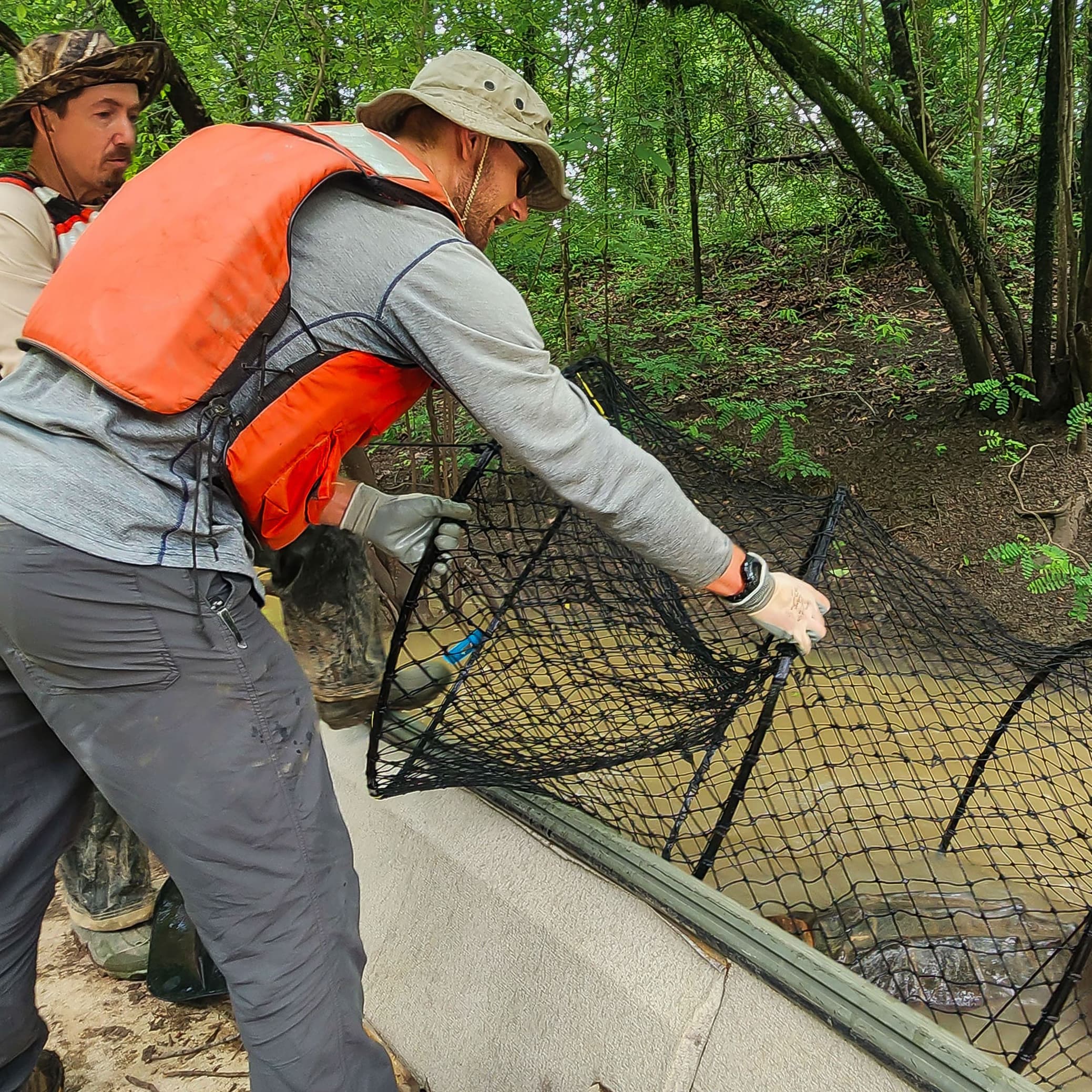
Our dedicated employees perform a wide range of jobs at national wildlife refuges and national fish hatcheries and with public, tribal and private partners.
We hope you’ll join us in advancing our mission of working with others to conserve, protect and enhance fish, wildlife, plants and their habitats for the continuing benefit of the American people.
Services
There are no fees to visit the refuge and refuge staff do not sell Federal Recreational Lands Passes. You can buy them online from the U.S. Geological Survey's online store.
About
Established in 1930 and dedicated to Congressman Sonny Bono in 1998, Sonny Bono Salton Sea National Wildlife Refuge is located in California’s Imperial Valley, approximately 40 miles north of the Mexican border along the southern end of the Salton Sea. The refuge protects vital wetland and grassland habitats for migratory birds along the Pacific Flyway and supports a remarkable diversity of wildlife, including endangered and other sensitive species.
The refuge consists of two separate management units located approximately 18 miles apart. Both units are bordered by the Salton Sea to the north and agricultural lands to the east, south, and west. Together, they encompass a mosaic of cattail marshes, open-water wetlands, shorelines, agricultural fields, and desert uplands. Parts of the refuge is managed under the Lea Act to maintain wildlife habitat while helping reduce crop damage to surrounding agricultural lands. The landscape is predominantly flat, with Rock Hill, a small, active mud volcano, providing a distinctive geological feature.
Where Culture and Wildlife Converge
Understanding the geological history of the Salton Sea, from the ancient waters of Lake Cahuilla to the formation of today’s landscape. Learn about the enduring connections of Tribal Nations to the region and the Salton Sea’s vital role in supporting migratory birds along the Pacific Flyway.
