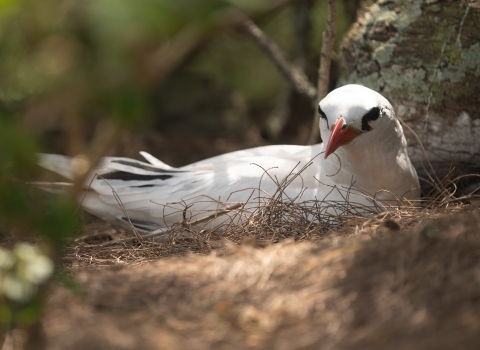
Written By

To celebrate America's 250th birthday, we at the U.S. Fish and Wildlife Service are highlighting the incredible wildlife that calls this beautiful country home. From American icons to subtle specialists, join us as we highlight seven species each week: one species for each of the 250 days leading up to America's 250th birthday.
Green darner (Anax junius)
The green darner is one of North America's largest dragonflies, known for its green thorax, blue abdomen and powerful flight. Unlike most dragonflies, these darners are long-distance migrants. In March, the first wave of adults arrives in the southern U.S. after overwintering farther south.

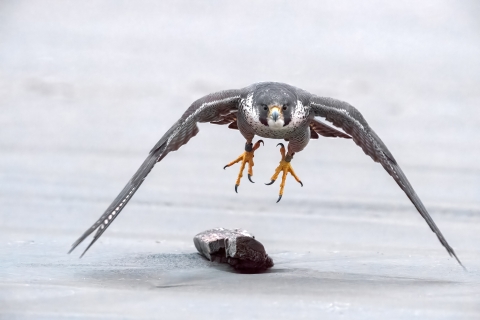
Peregrine falcon (Falco peregrinus)
Peregrine falcons are impressive raptors that can reach speeds of more than 200 mph while in a dive. In the spring they put on dramatic courtship displays, then nest on natural cliffs and skyscrapers.
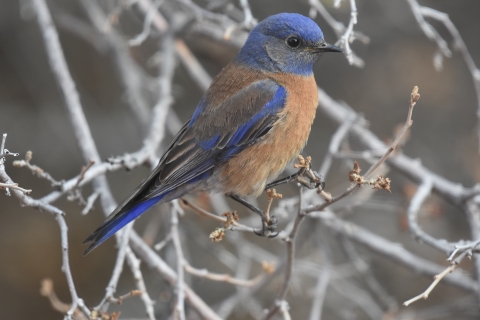
Western bluebird (Sialia mexicana)
The western bluebird is a colorful songbird found in open woodlands, meadows and forest edges across the western United States. Males have brilliant blue plumage and rusty-orange chests, while females are more subdued. This time of year, they’re preparing for nesting season and scouting for cavities or boxes.
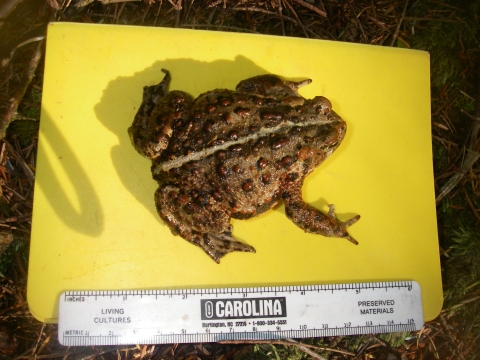
Western toad (Anaxyrus boreas)
The western toad is widespread from forests and meadows to mountains and streams across the west. As temperatures rise, these toads emerge from hibernation and begin migrating to shallow ponds and wetlands to breed. Watch for long, strings of eggs found in still waters.
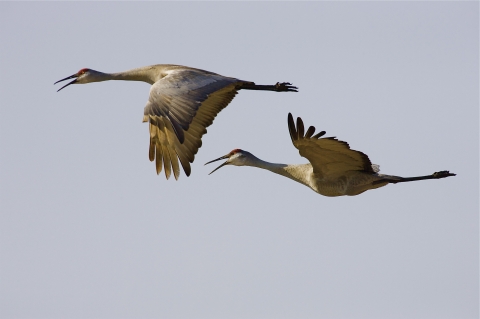
Sandhill crane (Grus canadensis)
Sandhill cranes are tall, elegant birds known for graceful movements, bugling calls and their striking red crown. These cranes gather in large flocks during migration. In March, thousands are on the move, stopping to refuel before continuing to northern breeding grounds.
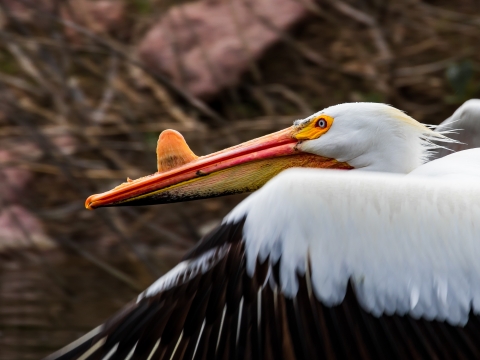
American white pelican (Pelecanus erythrorhynchos)
The American white pelican is a huge waterbird with some weighing in at nearly 20 pounds with a wingspan that can measure more than 9 feet. This time of year pelicans are on the move, returning to inland lakes and reservoirs where they often nest in colonies.
American bittern (Botaurus lentiginosus)
The American bittern is a secretive heron of marshes and wetlands. Streaky brown plumage allows it to blend in well with reeds and grasses. Watch as they return to wetlands across much of the north after spending winter in the south.