


San Luis
Los Banos, CA 93635
Plan Your Visit
National wildlife refuges offer us all a chance to unplug from the stresses of daily life and reconnect with our natural surroundings. The San Luis National Wildlife Refuge Complex encompasses approximately 45,000 acres of refuge lands for resident wildlife and migratory birds. The refuge complex includes the San Luis, Merced, and San Joaquin River National Wildlife Refuges, and the Grasslands Wildlife Management Area. Visitors can explore over 21 miles of auto tour routes and more than 20 miles of nature trails that lead through major habitat types - wetlands, uplands, grasslands, riparian woodlands, alkali sinks, and vernal pools.
Visitor Center
The San Luis NWR Complex Visitor Center and Headquarters features an exhibit hall with interactive educational displays, tule elk viewing, and a classroom. Complementing the wildlife refuges of California's San Joaquin Valley, the visitor center is a focal point for visitors and a launching point for exploring the entire refuge complex. Designed for environmental sustainability, the facility is LEED Platinum rated.
Let our staff at the visitor center help you plan your visit! This is a great starting point for visitors to become more familiar with the refuge and the wildlife that live here. Staff will provide seasonal wildlife viewing tips and information about recent sightings to help you get the most of your visit. The visitor center features an interactive exhibit hall with informative and educational displays about the refuge. The visitor center serves as the ideal launching point to explore the auto tour routes and nature trails.
Come visit us, Monday through Friday from 8 a.m. to 4 p.m., excluding holidays.
Tips for an enjoyable visit
Dress appropriately for the seasons. Comfortable walking shoes are recommended for nature trails. Summer months can reach extreme temperatures of over 100 degrees for weeks at a time. Always bring and carry plenty of water. Hats and sunscreen are highly recommended. Mosquitoes can be very active, especially during fall and spring. Mosquito repellant is recommended. Binoculars and a camera will help you get the most of your visit.
During the hot dry days of summer, you are more likely to see a greater number of bird species in the morning – the next best time for summer birds is in the late afternoon/early evening. Likewise, most mammals, including the tule elk, are more likely to be visible in the morning or early evening during the hot months.
If you have 15-minutes: Enjoy a relaxing stroll on the Wetland nature trail accessed outside the visitor center.
If you have one hour: Explore the exhibits inside the visitor center and then travel either the Tule Elk or Waterfowl auto tour route.
If you have half a day or more: Explore the exhibits inside the visitor center and then travel both the Tule Elk and Waterfowl auto tour routes. Enjoy a walk on either the Sousa Marsh or Wetland nature trails. Bring a picnic lunch to eat under the picnic shelter outside the visitor center.
Found a baby bird? Injured wildlife?
The refuge does NOT rescue, rehabilitate or accept animals. Please do not call the refuge regarding injured or orphaned animals. You can visit California Department of Fish and Wildlife's Native Wildlife Rehabilitation for resources near you.
Quick Resources:
Merced NWR
San Joaquin River NWR
Grasslands WMA
San Luis Complex Hunt Program
Brochures
Rules & Policies
There is no fee to visit the visitor center, auto tour routes, and nature trails. Type A hunting passes are not sold at check stations and must be purchased in advance at license agents or online.
San Luis NWR Visitor Center and Headquarters:
7376 S. Wolfsen Road, Los Banos, CA 93635
Physical address (do not use for mail):
Driving Directions from Los Banos: Turn right/left on Mercey Springs Road (CA-165). Continue for approximately 6.5 miles to Wolfsen Road. Turn right onto Wolfsen Road and follow it for 2 miles until it ends at the Refuge entrance.
Coming from the North (Modesto) on CA-99: In Turlock, take the Lander Ave/CA-165 exit toward Los Banos. Travel south on CA-165 through the communities of Hilmar and Stevinson. At the 4-way stop at the intersection of CA-165 and CA-140, continue southbound (straight) toward Los Banos for 12.5 miles. Turn left on Wolfsen Road. Follow Wolfsen Road approximately 2 miles until the pavement ends at the Refuge entrance. Continue through the gate on the gravel road and follow the signs to the Elk and Waterfowl auto tour routes. The Visitor Center is on the left immediately after passing through main entrance.
Coming from the South (Fresno) on CA-99: Travel on CA-99 north to CA-152 westbound. Travel westbound on CA-152 to Los Banos. Turn right on Mercey Springs Road (fourth stoplight after entering Los Banos from the east). Continue on Mercey Springs Road (also called CA-165) for approximately 6.5 miles to Wolfsen Road. Turn right onto Wolfsen Road. Follow Wolfsen Road approximately 2 miles until the pavement ends at the Refuge entrance. Continue through the gate on the gravel road and follow the signs to the Elk and Waterfowl auto tour routes. The Visitor Center is on the left immediately after passing through main entrance.
From Interstate 5 (north or south): Take the Los Banos/CA-152 east exit. Travel on CA-152 eastbound into Los Banos. Turn left on Mercey Springs Road. Continue on Mercey Springs Road (also called CA-165) for approximately 6.5 miles to Wolfsen Road. Turn right onto Wolfsen Road. Follow Wolfsen Road approximately 2 miles until the pavement ends at the Refuge entrance. Continue through the gate on the gravel road and follow the signs to the Elk and Waterfowl auto tour routes. The Visitor Center is on the left immediately after passing through the main entrance.
From San Francisco International Airport (SFO) and San Jose International Airport (SJC): Take US 101 southbound toward Gilroy. Take the CA-152 EAST exit toward Los Banos. Travel eastbound on CA-152 toward Los Banos. Continue into Los Banos and turn left on Mercey Springs Road. Continue on Mercey Springs Road (also called CA-165) for approximately 6.5 miles to Wolfsen Road. Turn right onto Wolfsen Road. Follow Wolfsen Road approximately 2 miles until the pavement ends at the Refuge entrance. Continue through the gate on the gravel road and follow the signs to the Elk and Waterfowl auto tour routes. The Visitor Center is on the left immediately after passing through the main entrance.
(Note: In many GPS navigation units, this address will erroneously indicate to stop approximately 1 mile short of the refuge entrance. Continue on Wolfsen Rd all the way until it ends at the refuge entrance.)
Activities


Get Involved
Whether you want to further conservation, learn more about nature or share your love of the outdoors, you’ve come to the right place. National wildlife refuges provide many opportunities for you to help your community by doing what you love. National wildlife refuges partner with volunteers, youth groups, landowners, neighbors and residents of urban and coastal communities to make a lasting difference. Find out how you can help make American lands healthier and communities stronger while doing something personally satisfying.
From volunteer activities to student internship positions and public events, there are a number of ways to get involved and enjoy a productive and rewarding experience. Contact the refuge for more information.
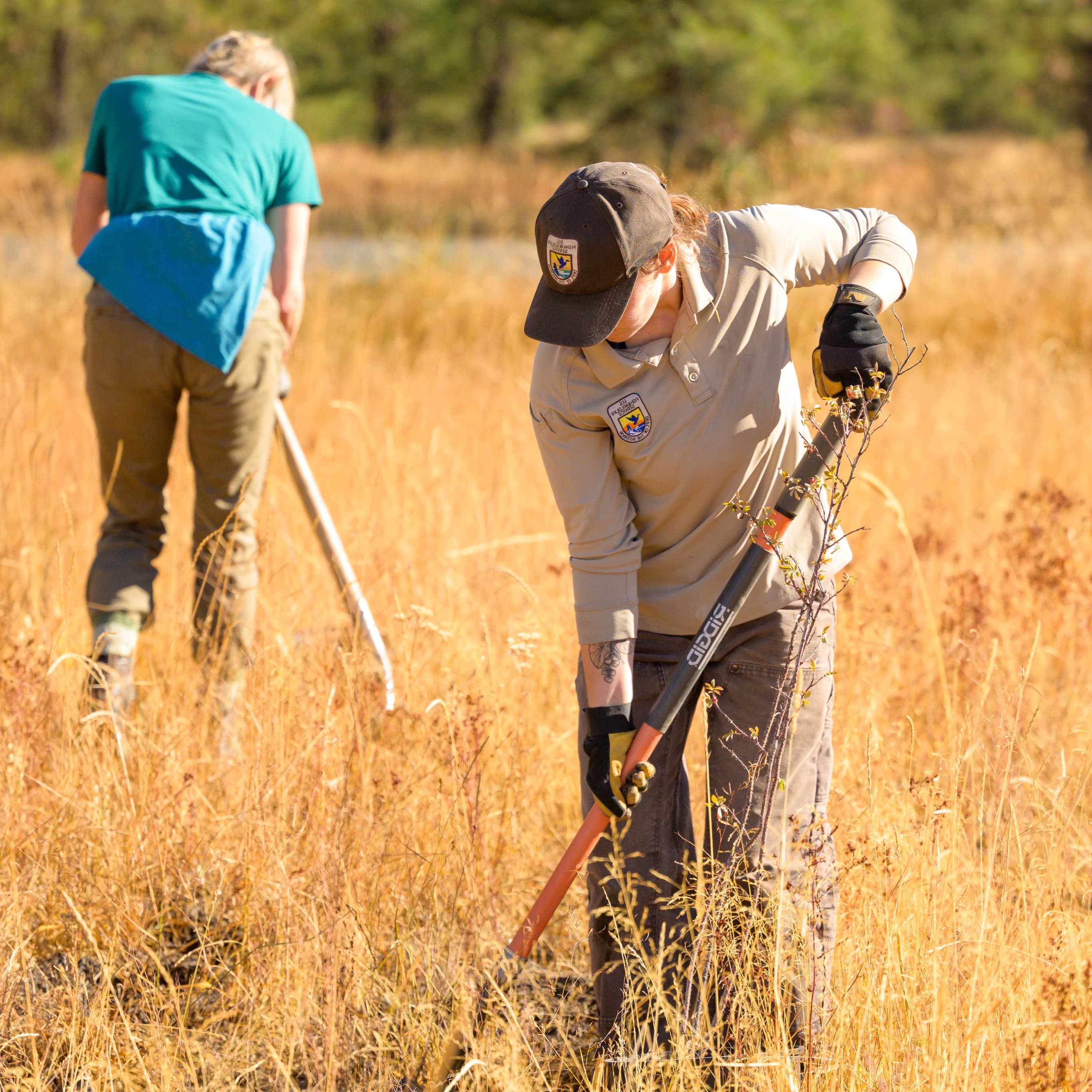
Working with others to conserve, protect, and enhance fish, wildlife, plants, and their habitats for the continuing benefit of the American people.
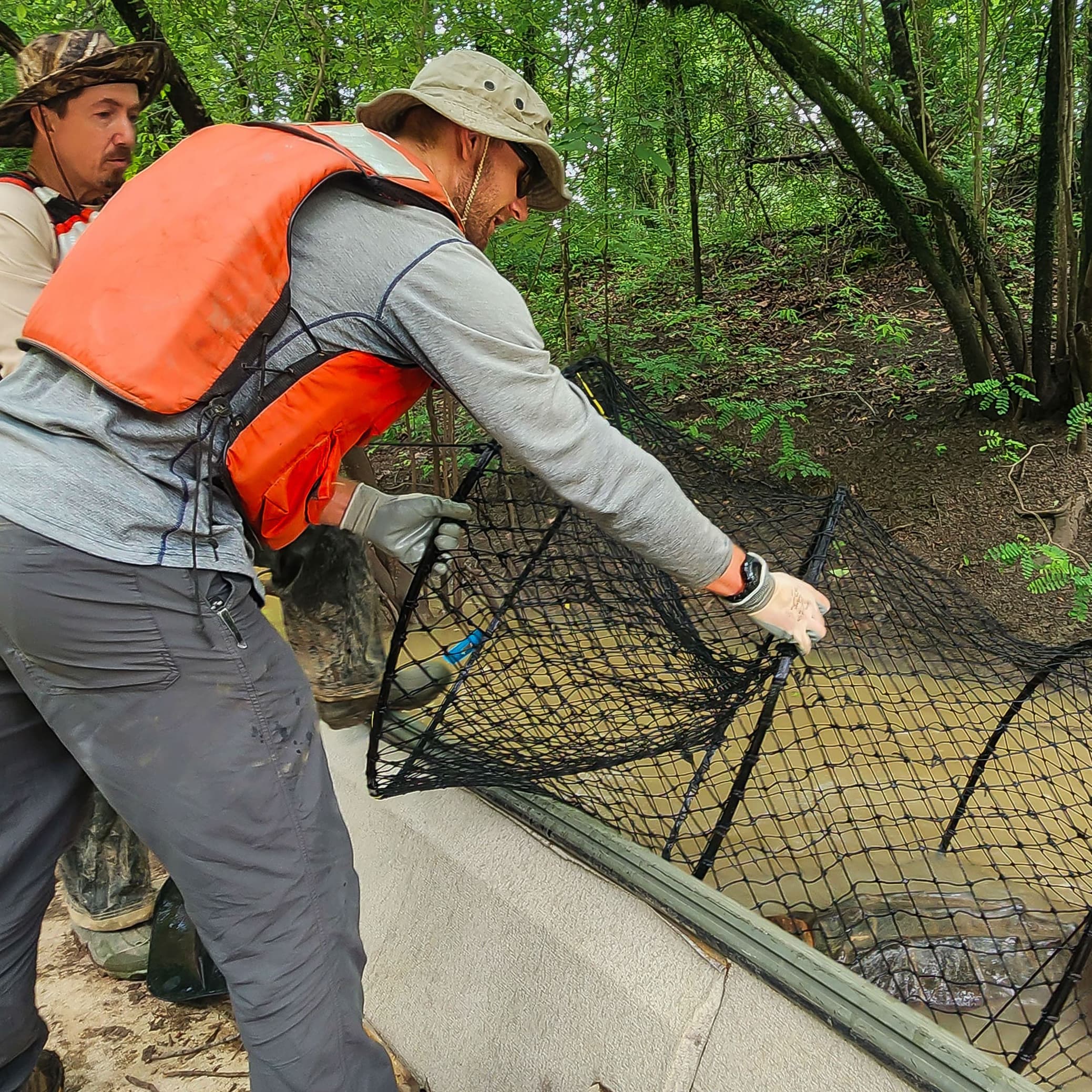
Work with Us
Our dedicated employees perform a wide range of jobs at national wildlife refuges and national fish hatcheries and with public, tribal and private partners.
We hope you’ll join us in advancing our mission of working with others to conserve, protect and enhance fish, wildlife, plants and their habitats for the continuing benefit of the American people.
Services
The National Wildlife Refuge System is a collection of lands and waters managed by the U.S. Fish and Wildlife Service. Wildlife conservation is at the heart of the Refuge System. It drives everything we do from the purpose a refuge is established, to the recreational activities offered there, to the resource management tools we use. Selecting the right tools helps us ensure the survival of local plants and animals and helps fulfill the purpose of the refuge. The refuge offers a visitor center with an interactive exhibit hall. Staff can provide guided field trips and interpretive programs including nature walks and wildlife viewing "safaris" around auto tour routes by appointment.
Refuge units are actively managed to provide critical habitat for wildlife. Past changes to California's San Joaquin Valley – loss of habitats and species, alterations to natural hydrology, and the introduction of exotic plants and animals – necessitates intensive natural resources management activities by the refuge. The refuge conducts an active wildlife and habitat inventory and monitoring program to collect information about plant and animal distributions and abundances, and to gauge the success of management programs.
About
The San Luis National Wildlife Refuge encompasses over 26,800 acres of wetlands, riparian woodlands, native grasslands, and vernal pools in California's San Joaquin Valley. Established in 1967, the refuge serves as a major wintering ground and migratory stopover point for waterfowl and shorebirds along the Pacific Flyway. It is home to six contiguous units and has played a vital role in the recovery of the endemic tule elk, which were nearly driven to extinction in the 19th century.
