


San Joaquin River
Vernalis, CA 95385-9706
Plan Your Visit
National wildlife refuges offer us all a chance to unplug from the stresses of daily life and reconnect with our natural surroundings. The refuge offers visitors a 4-mile Pelican trail and a seasonal Beckwith wildlife observation area to observe and photograph wildlife. These features allow visitors to get close to the sights and sounds of the diverse wildlife species that live here. Birds, mammals, reptiles, amphibians, fish, insects, and native plants – they are all here and chances are you will see or hear many of them.
Conditions change from season to season in these habitats, so the species you might see will also change. While many bird species are year-round residents, most birds are seasonal and can only be observed during specific times of the year. For example, some bird species are here only in winter, while others are here only during the summer breeding season. Other bird species pass through for a few short weeks during fall or spring migration. Just as the birds change with the seasons, so do the landscapes. During the hot dry days of summer, you are more likely to see a greater number of bird species in the morning – the next best time for summer birds is in the late afternoon/early evening. Likewise, most mammals are more likely to be visible in the morning or early evening during the hot months.
There is always something to see at the refuge, but certain times are better than others and the cast of nature’s characters changes with the seasons. The spectacular concentrations of geese and sandhill cranes occur during autumn through spring. No matter when you visit, bring your binoculars, camera – and your curiosity!
Prepare for your visit
Dress appropriately for the seasons. Comfortable walking shoes are recommended for nature trails. Summer months can reach extreme temperatures in excess of 100 degrees. Always bring and carry plenty of water. Hats and sunscreen are highly recommended. Mosquitoes can be very active, especially during fall and spring. Mosquito repellant is recommended.
Tips for an enjoyable visit
During the hot dry days of summer, you are more likely to see a greater number of bird species in the morning – the next best time for summer birds is in the late afternoon/early evening. Likewise, most mammals are more likely to be visible in the morning or early evening during the hot months. Pick up our Auto Tour Route and Nature Trail brochure (featuring maps), available at the Pelican trailhead brochure rack.
When you arrive
Stop at the Pelican trailhead information kiosk on Dairy Road to become oriented, view the trail map, and learn about what to see and do on the refuge. The Pelican nature trail is open daily throughout the year. The Beckwith wildlife observation area on Beckwith Road is usually open seasonally from mid-October through mid-March.
Quick Resources:
San Luis NWRC
Brochures
Rules & Policies
There are no fees to use the nature trail or wildlife observation area. There are no permits required for general public use of these areas.
To Pelican Trailhead: From Modesto (CA-99), take CA-132 west for 12 miles, left on River Road for 3 miles, then left on Dairy Road for 1.5 miles. From I-5, take CA-132 east for 7 miles, right on River Road for 3 miles, then left on Dairy Road for 1.5 miles.
To Beckwith Observation Area: From Modesto (CA-99), take CA-132 west for 8.5 miles, right on Gates Road for 3 miles, then left on Beckwith Road for 2 miles. From I-5, take CA-132 east for 10 miles, left on Gates Road for 3 miles, then left on Beckwith Road for 2 miles.
Activities


Get Involved
Whether you want to further conservation, learn more about nature or share your love of the outdoors, you’ve come to the right place. National wildlife refuges provide many opportunities for you to help your community by doing what you love. National wildlife refuges partner with volunteers, youth groups, landowners, neighbors and residents of urban and coastal communities to make a lasting difference. Find out how you can help make American lands healthier and communities stronger while doing something personally satisfying. From volunteer activities to student internship positions and public events, there are a number of ways to get involved and enjoy a productive and rewarding experience.
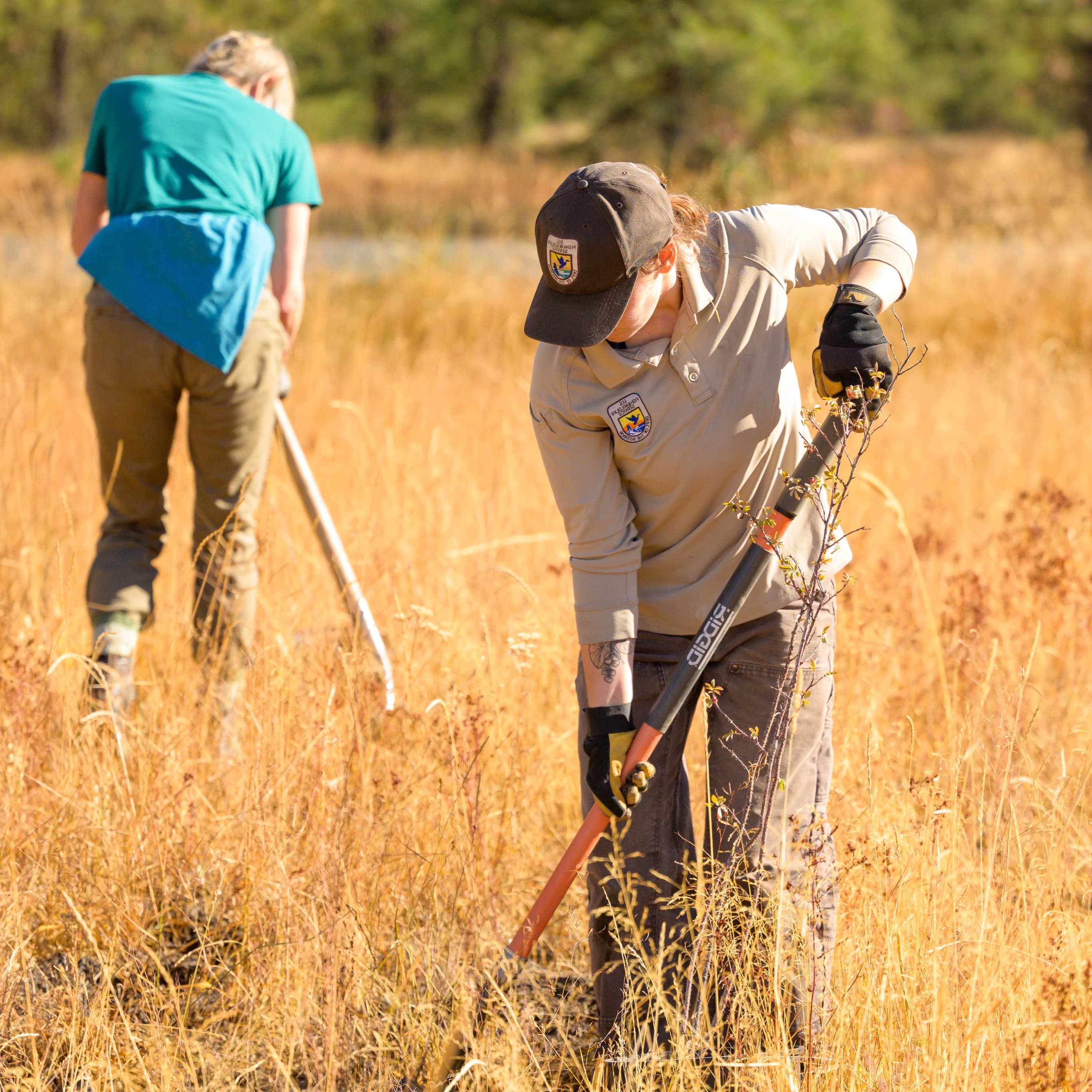
Working with others to conserve, protect, and enhance fish, wildlife, plants, and their habitats for the continuing benefit of the American people.
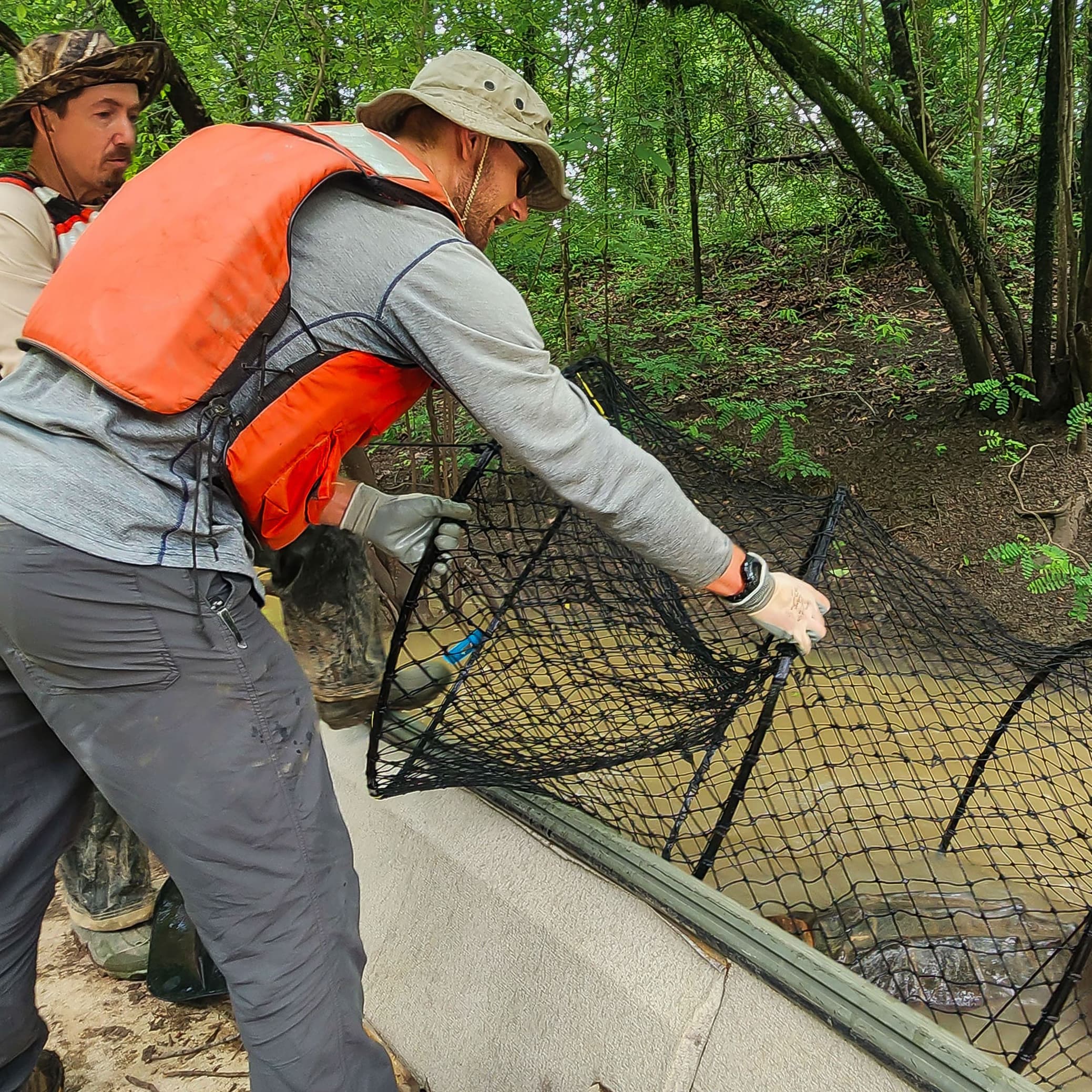
Work with Us
Our dedicated employees perform a wide range of jobs at national wildlife refuges and national fish hatcheries and with public, tribal and private partners.
We hope you’ll join us in advancing our mission of working with others to conserve, protect and enhance fish, wildlife, plants and their habitats for the continuing benefit of the American people.
Services
The refuge unit is actively managed to provide critical habitat for wildlife. Proactive natural resources management includes habitat restoration, inventory and monitoring programs, and the reintroduction of locally extirpated species like the endangered riparian brush rabbit. Wetland habitat management involves a complex infrastructure to support diverse waterbirds.
About
The San Joaquin River National Wildlife Refuge encompasses over 7,300 acres of riparian woodlands and wetlands where three major rivers meet in California’s Great Central Valley. Originally established in 1987 to protect wintering grounds for the then-endangered Aleutian cackling goose, the refuge now manages one of the state's largest riparian woodland restoration projects. This habitat is critical for the recovery of the endangered riparian brush rabbit and supports a diversity of breeding songbirds and raptors.