


Kansas
Manhattan, KS 66502-2801
The U. S. Fish and Wildlife Service's Kansas Ecological Services Field Office is located in Riley County, north of Interstate 70 in the northern Flint Hills. Nestled between the Kansas River and the Big Blue River, Manhattan, Kansas, is located in some of the last remaining Tallgrass Prairie in the United States.

Get Involved
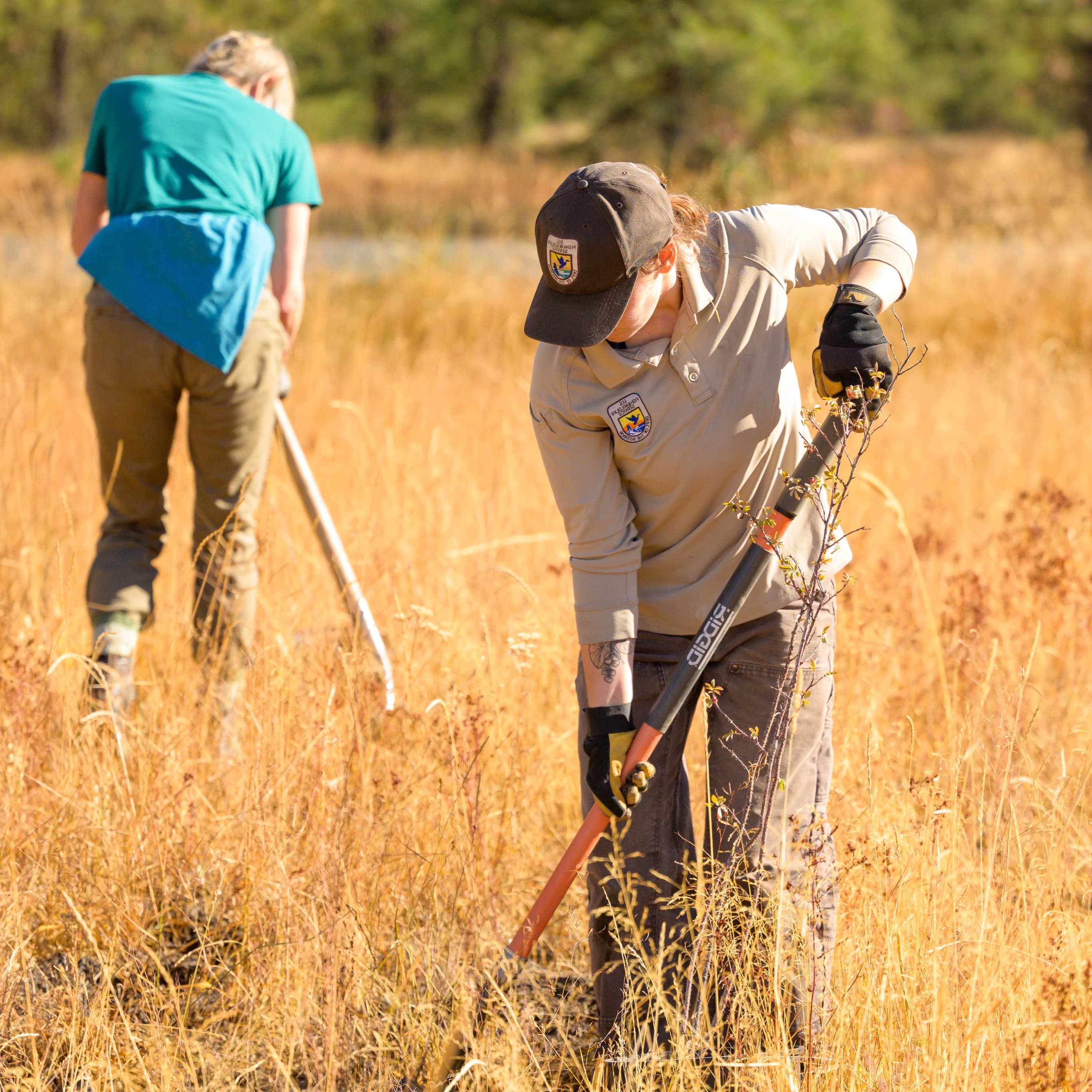
Working with others to conserve, protect, and enhance fish, wildlife, plants, and their habitats for the continuing benefit of the American people.
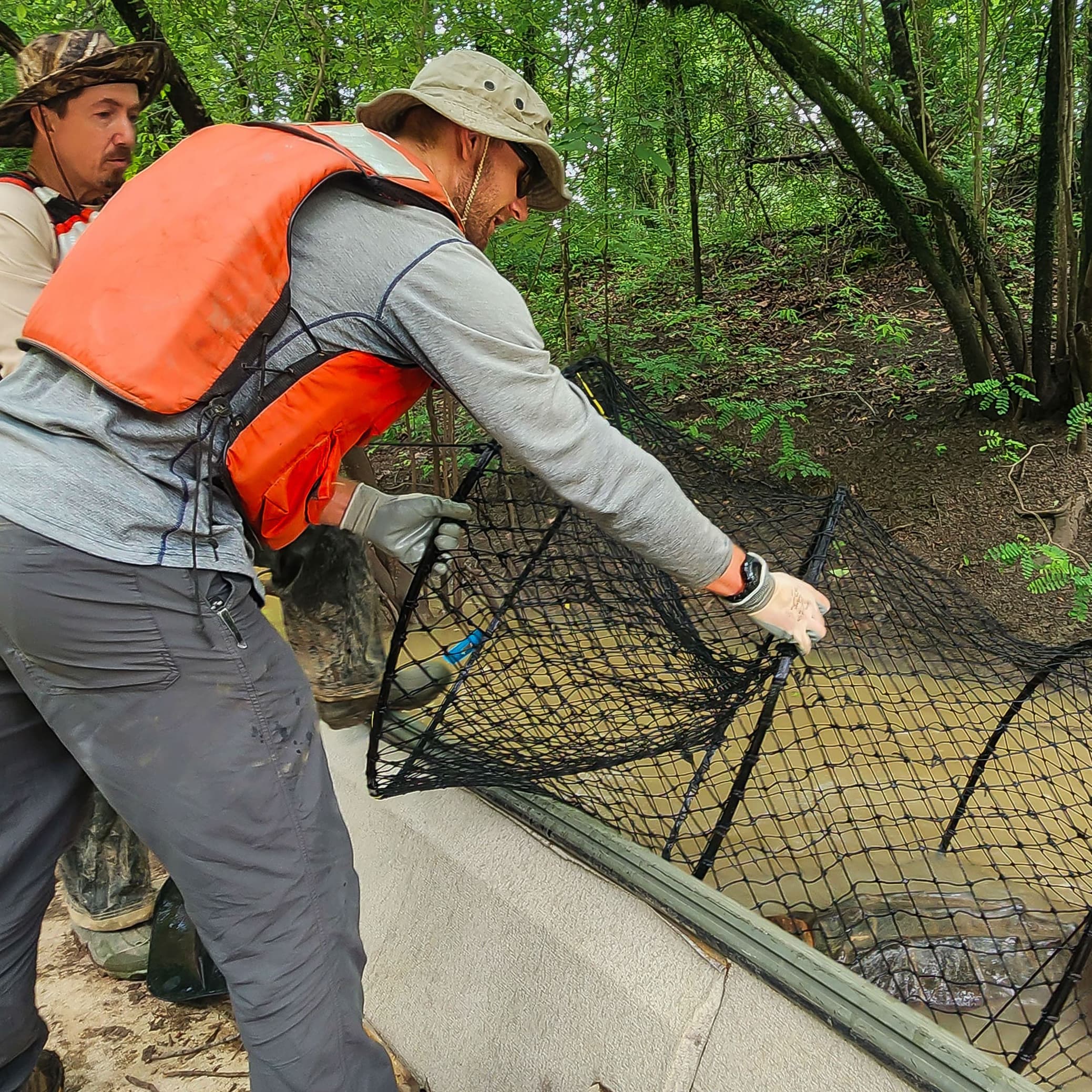
Work with Us
Our dedicated employees perform a wide range of jobs at national wildlife refuges and national fish hatcheries and with public, tribal and private partners.
We hope you’ll join us in advancing our mission of working with others to conserve, protect and enhance fish, wildlife, plants and their habitats for the continuing benefit of the American people.
Services
The Kansas Ecological Services Field Office provides biological and regulatory advice to other federal and state agencies, tribes, industry, and members of the public concerning the conservation of fish and wildlife, their habitat and other federal trust resources that may be affected by development activities. We assess the potential effects of projects and devise options for project proponents to achieve their objectives, as well as conservation and regulatory compliance of migratory birds, eagles, threatened and endangered species, anadromous fish, at risk species, and their habitats and other federal trust resources. In Kansas, our work with projects typically include activities such as agriculture, mining, power generation, power lines, dredge and fill activities, dam and reservoir operations, oil leasing, and highway construction. The effects of contaminants on fish and wildlife are also assessed. Recommendations are made regarding ways to avoid or minimize and offset potential impacts.
About
The Kansas Ecological Services Field Office consists of a Project Leader, three biologists, and an Administrative Support Assistant. The team provides broad expertise in federal trust resources, ecosystems, contaminants, and regulations to support the mission of conserving fish, wildlife, and plants. Based in Manhattan, Kansas, the office focuses on customer service and providing biological and regulatory advice for species recovery and proactive conservation.
