


Big Stone
Plan Your Visit
Big Stone National Wildlife Refuge offers everyone a chance to unplug from the stresses of daily life and reconnect with our natural surroundings. Visitors to the refuge are encouraged to travel the wildlife drive where they can see the majestic granite rock outcrops, abundant wildlife, and a diversity of habitats that the refuge protects.
The tallgrass prairie region is one of extremes. Temperatures can drop to well below -20° F in the winter months and rise to 90° F during the summer months. Summertime also marks the season for fast moving thunderstorms. Dress appropriately and bring extra clothing along with weather appropriate head protection. Keep an eye to the sky and check the weather forecast before your outing as daily weather conditions can bring dramatic change! Insect repellent is also a good idea as warm weather brings mosquitoes and ticks.
The refuge is free to visit.
Activities


More Activities
Get Involved
Whether you want to further conservation, learn more about nature or share your love of the outdoors, you’ve come to the right place. National wildlife refuges provide many opportunities for you to help your community by doing what you love.
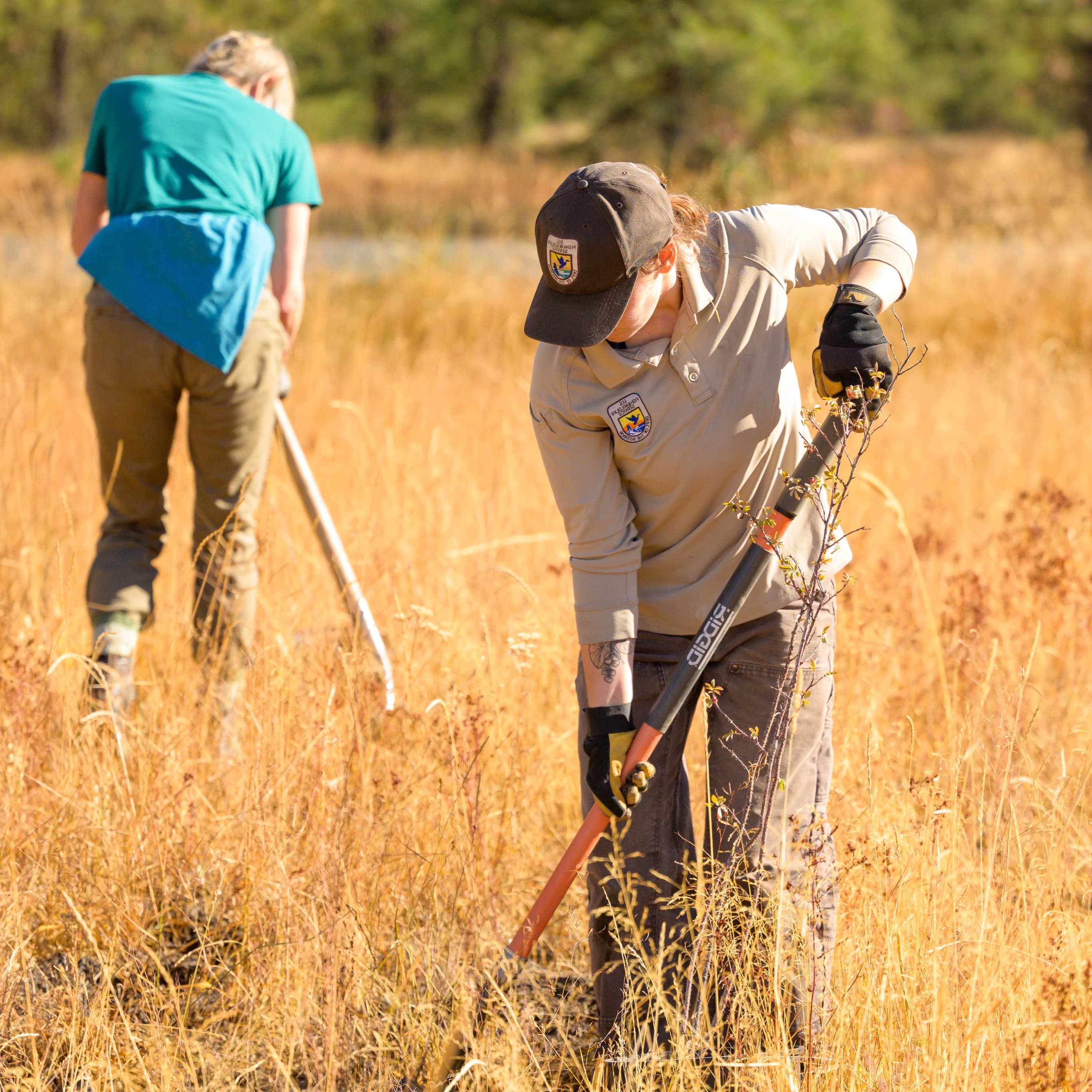
We welcome volunteers interested in helping us with work on the Refuge. Volunteer opportunities range from indoor tasks, like clerical assistance, environmental education and building maintenance, to outdoor jobs including biological surveys, field maintenance projects, invasive weed control and habitat management work.
Volunteer schedules are flexible, and the time commitment varies from hours to days to weeks. Volunteers come from many age groups and skill levels. Contact the office at 320-273-2191 to learn more about volunteer opportunities.
Working with others to conserve, protect, and enhance fish, wildlife, plants, and their habitats for the continuing benefit of the American people.
Services
About
Big Stone National Wildlife Refuge was established May 21, 1975. The land was originally acquired by the U.S. Army Corps of Engineers for the Big Stone Lake-Whetstone River Project to reduce sedimentation and provide flood control. Today, the refuge covers 11,586 acres in Big Stone and Lac qui Parle counties in Minnesota. Its mission focuses on the conservation and management of fish, wildlife, and plant resources, with a specific emphasis on migratory birds and their prairie and wetland habitats.