


Visit Us

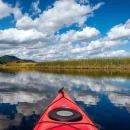
Willapa National Wildlife Refuge is rich in wildlife and recreation opportunities. People come to the refuge each year to enjoy solitude, to commune with nature, and to share the joys of wildlife with family and friends. Regulation of recreation activities, such as day-use hours, hiking and camping in designated areas, and hunting regulations allow for public enjoyment of the refuge while still protecting the wildlife and habitats.
Location and Contact Information
About Us

Willapa National Wildlife Refuge was established in 1937 to protect migrating birds and their habitat at a time when many estuaries and shallow water bays were being destroyed in the name of progress. The refuge has grown to encompass diverse ecosystems including salt marsh salt marsh
Salt marshes are found in tidal areas near the coast, where freshwater mixes with saltwater.
Learn more about salt marsh , mud flats, forest, freshwater wetlands, streams, grasslands, coastal dunes and beaches. This rich mix of habitats provide places for over 200 bird species to rest, nest and winter, including over 30 species of waterfowl (ducks and geese) and over 30 species of shorebirds. Other animals such as chum salmon, Roosevelt elk, and over a dozen species of amphibians benefit from the protection of the Refuge, and the care of dedicated refuge and partner staff, and other friends of wildlife, like you!
What We Do
Willapa National Wildlife Refuge protects and manages habitats in order to conserve the local and migratory wildlife that rely on them. Much of this management work involves maintaining, enhancing, or restoring habitat. In order to successfully do this work, the Refuge works with a variety of partners, from fellow federal agencies to local non-profit organizations.
Our Organization
Our Species

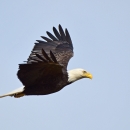
Hundreds of plant and animal species use the diverse habitats protected by Willapa National Wildlife Refuge, including a number of threatened and endangered species. There are many resident species that live here year-round, as well as migratory species that stop to utilize the habitats for a various lengths of time. Each season provides an opportunity to observe new wildlife species.
Get Involved
Volunteers are an integral part of what we do. There are a variety of volunteer opportunities available for people of all ages, backgrounds, and skillsets.
Projects and Research

Willapa National Wildlife Refuge conducts high-priority inventory and monitoring activities as well as research, assessments, and studies to enhance endangered and threatened species protection and recovery as well as habitat management and restoration activities. The gathering of scientific information assists in evaluating resource management and public use activities to facilitate adaptive management and contribute to the enhancement, protection, use, preservation and management of wildlife populations and their habitats on and off refuge lands.

At Willapa National Wildlife Refuge, tides ebb and flow through tidal creeks of the salt marsh that meet up with cool and cloudy maritime forest. These tidal creeks and channels were once dominated by Chum salmon, traveling miles upstream to spawn each fall. Historically, Willapa Bay had over 14,000 acres of saltmarsh, mudflats, and salmon-bearing streams. Less than half of these...