


Tualatin River
Sherwood, OR 97140-9292
Plan Your Visit
Located in the outskirts of Portland, Oregon, Tualatin River National Wildlife Refuge is one of only a handful of flagship urban national wildlife refuges across the country. Situated within the floodplain of the Tualatin River, the refuge supports some of the most abundant and varied wildlife in the watershed. Our year-round and seasonal walking trails allows visitors to immerse themselves in nature, and catch a glimpse of wildlife. Visitors can also engage with our refuge through numerous public programs or environmental education. Stop by our visitor center to learn more about the history of the refuge or walk out to our wetland overlook to see the variations of seasons.
From Portland to the Visitor Center and Headquarters: Head to 1-5 S; remain on freeway and take exit 294 to merge onto Barbur Blvd/OR-99W/Pacific Hwy W toward Tigard/Newberg; continue on Pacific Hwy for 6.9 miles
Activities


Get Involved
National wildlife refuges partner with volunteers, youth organizations, landowners, neighbors and local community members to make a lasting difference. Getting involved at Tualatin River National Wildlife Refuge is a great opportunity to learn new skills and help to conserve our public lands. With a variety of opportunities in a wide range of programs, anything from visitor services to habitat management, there is a place for everyone to get involved.
Volunteer Positions at the Refuge
Volunteering for the U.S. Fish and Wildlife Service is a great way to engage in conservation work, and get involved in the community. With volunteer opportunities in nearly every aspect of the refuge, from our biology program to visitor services, there are a many ways to gain new skills and meet new people.
Please note that the Refuge is not always recruiting for each of these roles. You can find the current recruitment options in the Volunteer Opportunities section below- links will be live if staff are currently recruiting.
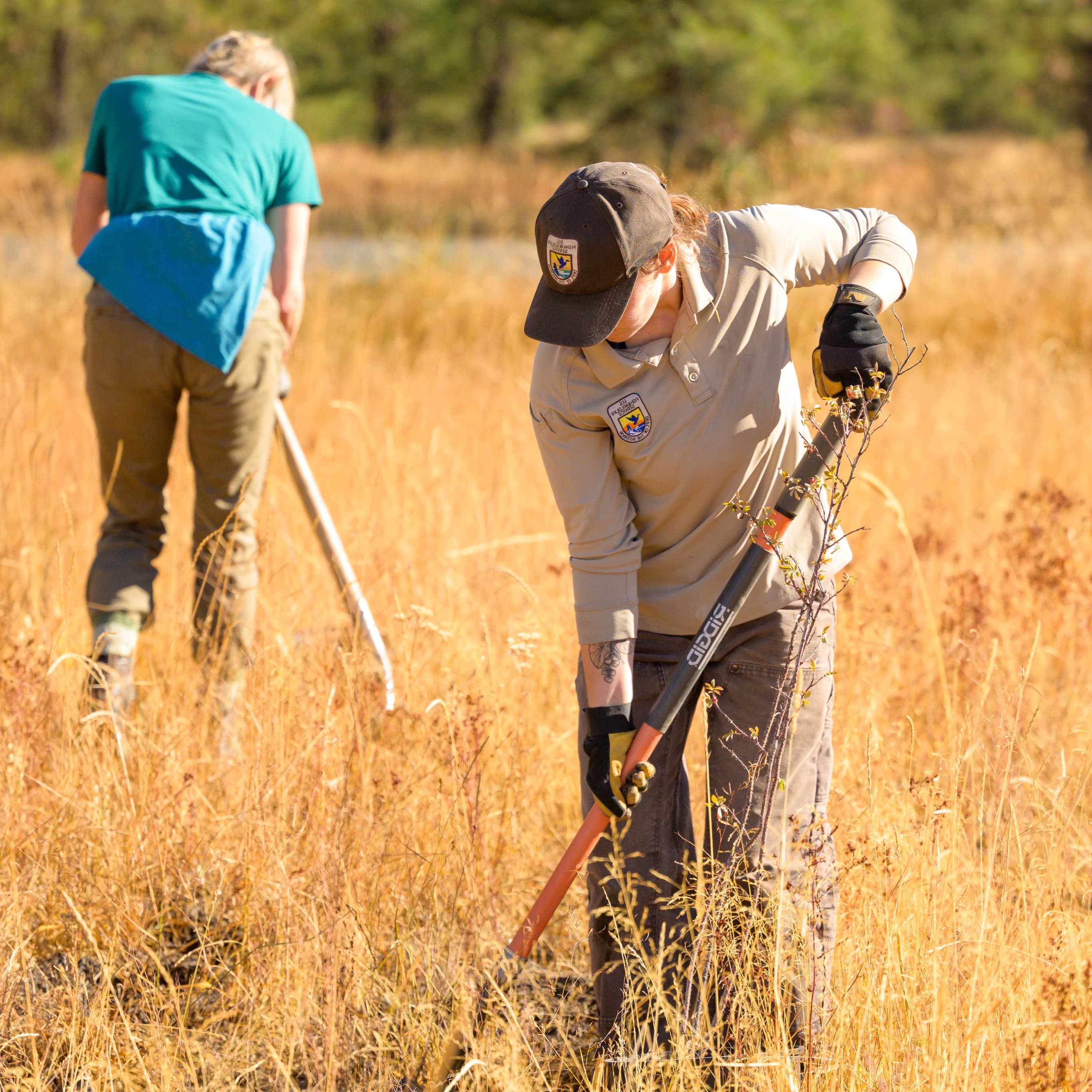
Working with others to conserve, protect, and enhance fish, wildlife, plants, and their habitats for the continuing benefit of the American people.
Services
The refuge offers environmental education and field trip opportunities for educators, including self-guided lesson plans (Animal Tracks, Habitats, ABC's of Birds, Pelts and Skulls, Evidence of Wildlife) and supported "Discovery Days." It also provides a youth waterfowl hunting program for ages 17 and younger at the Riverboat unit, and ranger-led programs such as "Puddle Stompers" for families with young children. A photo blind is also available by reservation for nature photography.
About
The land currently known as Tualatin River National Wildlife Refuge was originally inhabited and stewarded by the Kalapuyan people.
After increased agricultural development in the Tualatin River valley, many local residents in the late 1980s recognized the importance of conserving green space for future generations. A small group of citizens and local leaders approached the U.S. Fish and Wildlife Service to have the land set aside as a national wildlife refuge. The Service recognized the need to protect the space that offered an abundance of habitat for a variety of wildlife and enjoyment of people, especially as it is adjacent to multiple urban areas. The Tualatin River National Wildlife Refuge was officially designated and established in 1992.
Visitors can enjoy a year-round trail that meanders through a variety of habitats, including wetland views and oak savanna. With over 200 species of birds, the refuge is a fantastic bird-watching destination. Visitors can also keep their eyes peeled for a variety of other wildlife, including numerous mammals, reptiles, amphibians, plants, and insects. In addition to our walking trails and wonderful wildlife viewing opportunities, visitors can engage with our refuge through a variety of public programs and events, as well as our environmental education for local school groups.
The purpose of Tualatin River National Wildlife Refuge is for the conservation, management and restoration of the fish, wildlife, plants and their habitats for the benefit of present and future generations of Americans. All land management decisions, including restoration and visitor activities allowed on refuges are evaluated to make sure each activity supports and does not conflict with the purpose of the refuge.