


Pee Dee
Wadesboro, NC 28170-9777
Plan Your Visit
The Refuge is open during daylight hours only (from 1 hour before sunrise to 1 hour after sunset).
Directions:
From Charlotte, NC: Take US Hwy. 74 East approximately 50 miles to Wadesboro, NC. Turn left on U.S. Hwy. 52 North, and proceed 6 miles. The Refuge Office will be on your right.
From Albemarle, NC: Take US Hwy. 52 South for 22 miles. The Refuge Office will be on your left.
From Rockingham, NC: Take US Hwy. 74 West approximately 19 miles to Wadesboro, NC. Turn right on US Hwy. 52 North, and proceed 6 miles. The Refuge Office will be on your right.
Our kiosk at Griffin Road provides refuge maps, information, and hunting and fishing permits in season. Hunt brochures, which serve as your hunting permit, are available at the refuge office and kiosks.
Activities


Get Involved
There are many volunteer opportunities on national wildlife refuges. If you'll contact us to discuss your areas of interest, your abilities, and your skills, we can likely tailor an opportunity just for you.
We have two residential volunteer programs: Resident Volunteers and Interns. Call (704) 694-4424 for more information or ideas about ways you can help!
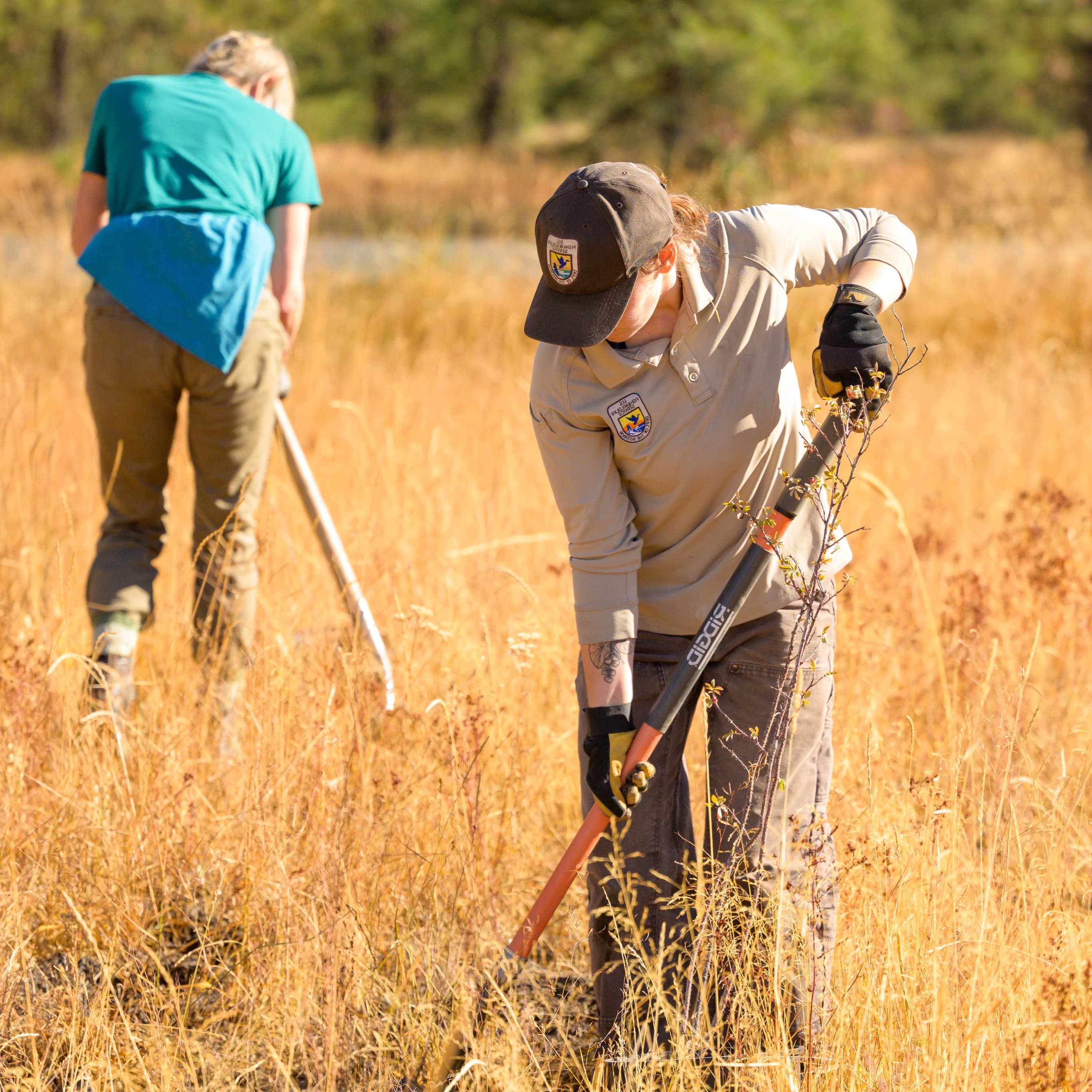
Working with others to conserve, protect, and enhance fish, wildlife, plants, and their habitats for the continuing benefit of the American people.
Services
Pee Dee National Wildlife Refuge supports a wide variety of fish, wildlife, and plants, including waterfowl and other migratory birds, as well as federal- and state-listed species. This is done through habitat management activities include cooperative farming for wildlife food and cover; impoundment management for waterfowl and wading birds; selective timber thinning; prescribed burning; and old field management. In addition, the refuge protects a number of historical and archaeological sites and provides quality outdoor recreation opportunities.
Learn more about the refuge in our General Brochure.
About
Pee Dee National Wildlife Refuge was established in 1963 as a migratory bird sanctuary to provide habitat for waterfowl and other migratory birds. The refuge encompasses 8,500 acres of diverse landscape in south-central North Carolina, managing habitats for nearly 200 migratory bird species and several rare species.
In addition to wildlife conservation, the refuge offers managed public use activities including hunting, fishing, and environmental education. It is currently managed as part of the Carolina Sandhills Complex.
