


Oregon Islands
Newport, OR 97365-5258
Plan Your Visit
The best wildlife experiences on Oregon Islands National Wildlife Refuge happen from shore. To protect nesting seabirds and resting marine mammals, the refuge's offshore rocks, reefs, and islands are closed to public entry year-round. Fortunately, some of the coast's most spectacular wildlife viewing can be enjoyed from nearby beaches, overlooks, and headlands.
Watch seabirds wheel above crashing waves, spot harbor seals hauled out on offshore rocks, and take in breathtaking coastal scenery from places like Ecola State Park, Cape Meares State Scenic Viewpoint, Yaquina Head Outstanding Natural Area, Heceta Head State Scenic Viewpoint, Coquille Point in Bandon, and Harris Beach State Park. Looking for more places to explore? Check out the Oregon Coast Birding Trail guide for additional wildlife viewing opportunities along the coast.
Hours & Fees
There are no fees for this refuge. The refuge does not have a visitor center. The islands can be viewed from various locations at all hours, including Coquille Point.
Weather & Tides
Weather on the coast is a mercurial thing. You can expect to experience temperatures ranging between 45 and 75 degrees; fog and high winds are common, as well as radiant sunshine. Rain is a perennial threat, so bring proper attire.
If you're visiting during the winter, expect rainy conditions. In summer, you may—may—experience nice and dry days. Check the forecast for current conditions.
Incoming tides isolate rocks from headlands and the shore. Avoid the temptation of strolling to an interesting rock without knowing the tides. Free tide tables are available at state park offices, information centers, shops and motels.
Activities


Get Involved
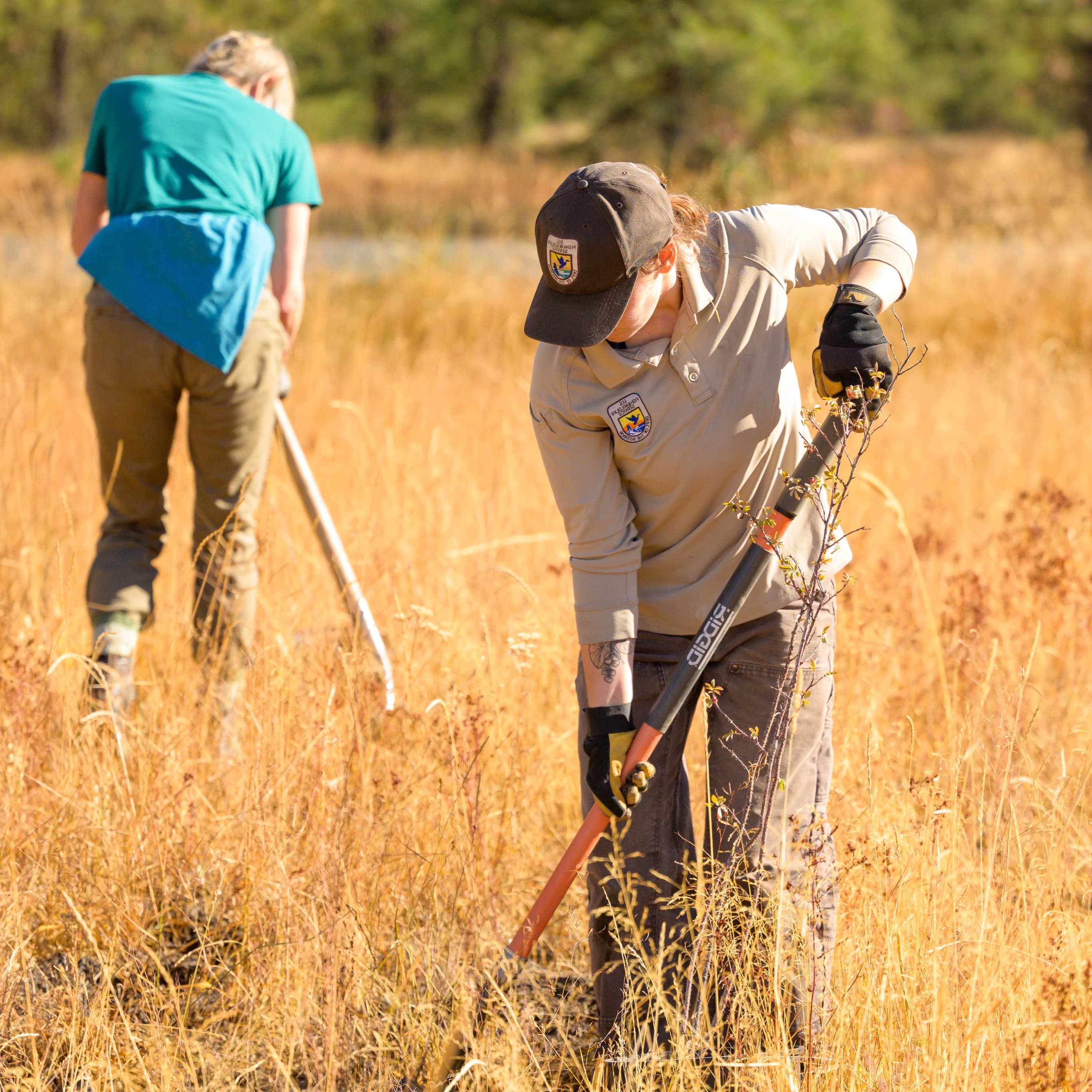
Discover for yourself what tens of thousands of volunteers have learned: Volunteering for the U.S. Fish and Wildlife Service is fun and rewarding in many ways. Master new skills. Meet new friends. Enjoy a sense of accomplishment from doing your part to further wildlife conservation for the pleasure of generations to follow. Check out our station's latest volunteer opportunities on volunteer.gov.
Contact the Oregon Coast National Wildlife Refuge Complex at oregoncoast@fws.gov to learn about our volunteer opportunities.
Working with others to conserve, protect, and enhance fish, wildlife, plants, and their habitats for the continuing benefit of the American people.
Services
The U.S. Fish and Wildlife Service conserves and monitors plants and animals, manages and restores habitat, and provides outdoor recreation for the public. Coastal Refuges offer unique opportunities to study plants and animals in pristine or relatively undisturbed habitats, with research ranging from single species needs to entire ecosystem functions.
About
a { text-decoration: none; color: #464feb; } tr th, tr td { border: 1px solid #e6e6e6; } tr th { background-color: #f5f5f5; }
Wild Rocks, Thriving Wildlife, and Oregon's Seabird Sanctuary
Stand almost anywhere along the Oregon coast and you'll see them: rugged sea stacks rising from the Pacific like ancient fortresses, surrounded by crashing waves, swirling seabirds, and barking sea lions.
These dramatic offshore rocks, reefs, and islands are more than iconic scenery. They are the heart of Oregon Islands National Wildlife Refuge, one of the most important wildlife sanctuaries on the West Coast.
Established on May 6, 1935, the refuge protects 1,853 rocks, reefs, and islands stretching nearly the entire length of Oregon's coastline, from Tillamook Head near Seaside to the California border. Together, these wild places provide essential nesting habitat for an estimated 1.2 million seabirds, making the refuge one of the most significant seabird conservation areas in North America.
For harbor seals, Steller sea lions, California sea lions, and northern elephant seals, these islands serve as places to rest, molt, and raise their young. For visitors on the mainland, they offer a glimpse into a wild coastal ecosystem that has remained largely unchanged for generations.
A Living Laboratory at Sea
Oregon Islands National Wildlife Refuge isn't just a haven for wildlife. It's also an important place for science, helping researchers better understand the health of Oregon's coastal ecosystems and the seabirds that depend on them.
Helping Puffins Thrive
One of the refuge's most beloved residents is the tufted puffin, instantly recognizable by its oversized orange bill and striking golden head plumes. Refuge staff work closely with research and conservation partners to monitor puffin colonies and better understand how changing ocean conditions affect nesting success and survival. Through long-term studies, colony observations, and collaborative research, scientists are learning more about puffin population trends and the challenges these charismatic seabirds face throughout the Pacific Northwest.
Watching Oregon's Seabird Colonies
The refuge's islands support one of the largest collections of nesting seabirds on the Pacific Coast. Biologists and partners study species such as common murres, Brandt's cormorants, pelagic cormorants, pigeon guillemots, and black oystercatchers to track population trends and breeding success over time. These studies help scientists understand how ocean conditions, food availability, and environmental changes influence seabird populations.
Conservation Guided by Science
The refuge's management decisions are grounded in research and monitoring. By partnering with others Oregon Islands National Wildlife Refuge helps ensure that future generations will continue to experience thriving seabird colonies along Oregon's spectacular coast.
Oregon Islands Wilderness
Nearly all of the refuge's islands and rocks are protected as part of the Oregon Islands Wilderness, designated by Congress in 1970 and expanded in subsequent years. Today, the wilderness encompasses more than 593 acres of offshore habitat.
The Wilderness Act established the National Wilderness Preservation System to protect lands where natural processes remain largely unhindered by human influence. On the Oregon coast, that protection helps safeguard nesting colonies from disturbance and development, ensuring these remote islands remain wild places where seabirds can thrive. For many species, the wilderness designation provides exactly what they need most: space, isolation, and freedom from disturbance during the nesting season.
More Than Offshore Islands
While the refuge is best known for its offshore colonies, it also protects several mainland units that serve as important wildlife habitat, conservation buffers, and opportunities for public enjoyment.
Coquille Point
Located on the edge of the city of Bandon, the 19-acre Coquille Point Unit provides one of the best wildlife viewing opportunities on the Oregon coast. A paved trail winds across the headland, offering spectacular views of offshore rocks crowded with seabirds and harbor seals.
Interpretive panels along the trail share stories about local wildlife, coastal ecology, and the refuge's conservation mission, making Coquille Point an ideal introduction to Oregon Islands National Wildlife Refuge.
Crook Point
Just south of Gold Beach, the 134-acre Crook Point Unit protects rare coastal habitats, unique geology, and a mile of undeveloped shoreline. The property also serves as an important buffer for nesting seabirds on nearby Mack Reef, which hosts the second-largest concentration of breeding seabirds in Oregon. To protect sensitive natural resources and wildlife, Crook Point is closed to public access.
Whale Cove
The 14-acre Whale Cove near Depoe Bay became part of the refuge in 2014. The property surrounds Oregon's oldest marine reserve, where marine life receives the highest level of protection under state management. The site is managed to conserve its ecological values while protecting the surrounding coastal landscape. Visitors can enjoy dramatic views of Whale Cove from nearby public viewpoints along Highway 101 and Rocky Creek State Scenic Viewpoint.
Our History
From nearly every viewpoint on the Oregon coast, offshore rocks and islands dominate the horizon. Recognizing their importance as breeding habitat for seabirds and marine mammals, President Franklin D. Roosevelt established Oregon Islands National Wildlife Refuge in 1935.
Since then, the refuge has grown to become one of the largest and most important seabird refuges in the United States. For more than ninety years, it has protected the nesting habitat that supports Oregon's seabird populations and the marine ecosystems upon which they depend.
Today, the refuge remains a cornerstone of coastal conservation, preserving a chain of islands that are as ecologically important as they are visually striking.