


Buenos Aires
Sasabe, AZ 85633
Plan Your Visit
National wildlife refuges offer us all a chance to unplug from the stresses of daily life and reconnect with our natural surroundings. The refuge offers many opportunities to enjoy wildlife-related recreation. Refuge trails are open to the public 24 hours a day, seven days a week. Hunting, camping, picnicking and many educational opportunities are scheduled throughout the year.
All our trails offer great birding opportunities. Many of the back roads in the southeast and northeast grasslands are also good for hiking and backpacking.
Most of Buenos Aires National Wildlife Refuge sits high above the desert and includes rolling hills of grassland across a vast plain. You will find a variety of plants and animals in the plains and rolling hills, seasonally wet marshland and meadow, stately cottonwoods, and hackberry and mesquite groves. There is even more to see in leafy green oasis with several species of birds. You may even spot a subtropical species at the tip of its range. You may even be lucky enough to see mountain lions, javelina and an occasional wandering jaguar.
From Tucson, go west on Ajo Way (Highway 86) to Three Points. Travel 38 miles south of Three Points on Highway 286 to milepost 7.5. If traveling on Interstate 19, take the Amado/Arivaca exit west, turn right at the T, and then left at the Longhorn Grill and Saloon onto Arivaca Road. Proceed west 35 miles on the Arivaca Road to Highway 286 and turn left at milepost 7.5.
Activities


More Activities
Get Involved
Whether you want to further conservation, learn more about nature or share your love of the outdoors, you’ve come to the right place. National wildlife refuges provide many opportunities for you to volunteer and help your community by doing what you love.
Working with others to conserve, protect, and enhance fish, wildlife, plants, and their habitats for the continuing benefit of the American people.
Services
The National Wildlife Refuge System is a series of lands and waters owned and managed by the U.S. Fish and Wildlife Service. Wildlife conservation is at the heart of the refuge system. It drives everything we do from the purpose a refuge is established, to the recreational activities offered there, to the resource management tools we use. Selecting the right tools helps us ensure the survival of local plants and animals and helps fulfill the purpose of the refuge.
Buenos Aires National Wildlife Refuge is divided into three management units. The main portion of the refuge encompasses approximately 110,000 of the 117,464 acre refuge. This tract is made up Sonoran semi-desert grassland. The other two units are the Brown Canyon Unit and the Arivaca Unit, which includes Arivaca Creek and the adjacent Arivaca Cienega. An important objective of the refuge is to protect and restore these three habitat types. Management strategies focus on improving habitat for a variety of species with an emphasis on the masked bobwhite quail.
Management and Conservation
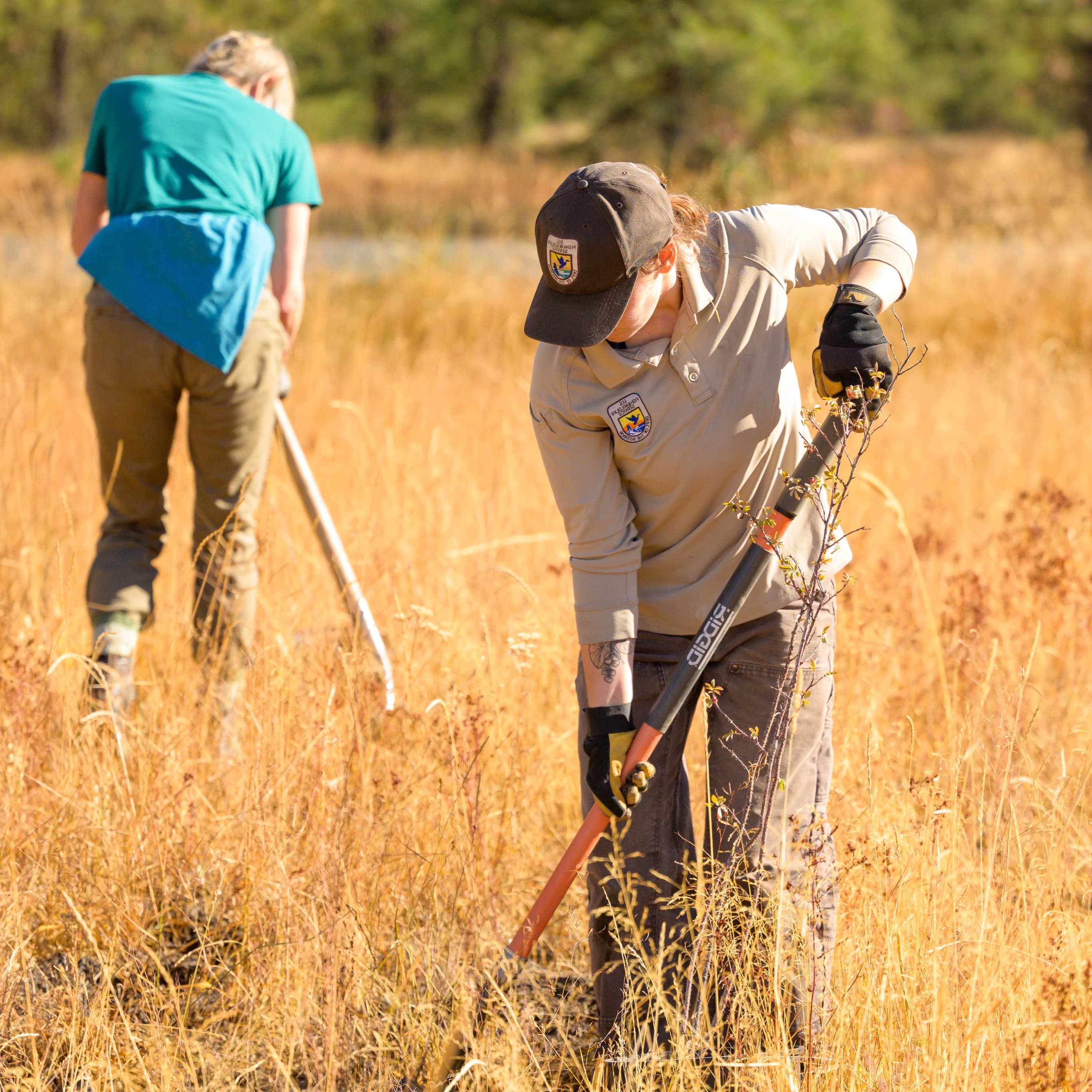
Refuges use a wide range of land management tools based on the best science available. Some refuges use prescribed fires to mimic natural fires that would have cleared old vegetation from the land helping native plants regenerate and local wildlife to thrive. Other refuges contain Wilderness areas where land is largely managed in passively. The management tools used are aimed at ensuring a balanced conservation approach where both wildlife and people will benefit. At this field station our conservation toolbox includes prescribed burning, revegetation, erosion control, water preservation and fence removal.
About
Established in 1985 to protect the endangered masked bobwhite quail, this 117,464-acre refuge encompasses diverse biotic communities including semi-desert grasslands, wetlands, and the unique sycamore-shaded Brown Canyon. The refuge is managed to restore natural landscapes and native wildlife through conservation tools like prescribed burning and invasive species control. Visitors can enjoy an array of activities including wildlife watching, photography, hunting, and hiking across its vast plains and rolling hills.
