Worn by time and nature, the Wichita Mountains loom large above the prairie in southwest Oklahoma—a lasting refuge for wildlife. Situated just outside the Lawton/Ft. Sill area, Wichita Mountains Wildlife Refuge preserves approximately 60,000 acres of mixed grass prairie, ancient granite mountains, and fresh water lakes and streams for the benefit of wildlife and the American people. Best known for its roaming herds of bison, longhorn, and Rocky Mountain elk, Wichita Mountains also offers quality opportunities for wildlife dependent recreation including fishing, bird watching, wildlife photography, hiking, camping, and kayaking.
Map of Area Closed for Hunt Nov. 18-20, 2025
Refuge Preparing for Controlled Hunts

Wichita Mountains Wildlife Refuge will temporarily close portions of the public use area for a few days in November and December to conduct controlled hunts. These hunts, which are conducted in cooperation with the Oklahoma Department of Wildlife Conservation, are an important part of the deer and elk management on the Refuge.

The deer hunt will be conducted November 18-20, 2025.The Refuge’s public use areas west of the Visitor Center to Indiahoma Road will be closed to other public uses during this hunt.The closed areas include Quanah Parker Lake and Dam, Boulder Picnic Area, Lost Lake, Burford Lake, Osage Lake, French Lake, Burma Road, the Narrows, and Dog Run Hollow trail system.All of the public use areas west of Indiahoma Road and east of the Visitor Center will remain open to the public during this hunt. These areas include Elk Mountain, Sunset Picnic Area, Charon’s Garden, Post Oak/Treasure Lakes, Mt. Scott, Jed Johnson Lake and Rush Lake. Specific details on closed areas will be posted in the Visitor Center.

Additional elk hunts will be conducted on:December 2-4, 2025, December 15-19, 2025, January 5-9, 2026, January 12-16, 2026, January 26-30, 2026, and February 2-6, 2026. Closed areas will change for each hunt. Further hunt closure information will be available on the Refuge website at: www.fws.gov/refuge/wichita_mountains, Facebook, or by contacting the Refuge Visitor Center at 580-429-3222.

The mission of the U.S. Fish and Wildlife Service is working with others to conserve, protect, and enhance fish, wildlife, plants, and their habitats for the continuing benefit of the American people. We are both a leader and trusted partner in fish and wildlife conservation, known for our scientific excellence, stewardship of lands and natural resources, dedicated professionals, and commitment to public service. 

For more information on our work and the people who make it happen, visit www.fws.gov. Connect with our Facebook page at www.facebook.com/usfws, follow our tweets at www.twitter.com/usfwshq, watch our YouTube Channel at http://www.youtube.com/usfws and download photos from our Flickr page at http://www.flickr.com/photos/usfwshq. For more information about Wichita Mountains, find us online at www.fws.gov/refuge/wichita_mountains/ or on Facebook at @WichitaMountainsWildlifeRefuge.

Kids listening to an outdoor talk
We are now taking reservations for self-guided or ranger-led group field trips.

Visit Us

An enchanting landscape awaits you in southwestern Oklahoma at the Wichita Mountains Wildlife Refuge. Worn by time and nature, the Wichita Mountains loom large above the prairie —a lasting refuge for wildlife. Best known for its roaming herds of bison, longhorn, and Rocky Mountain elk, Wichita Mountains also offers quality opportunities for wildlife dependent recreation.
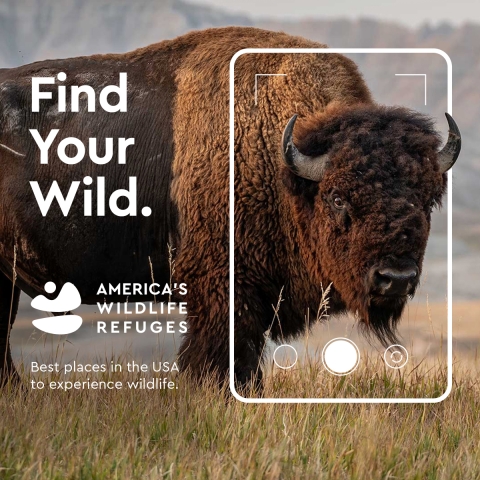
Subscribe to the America's Wildlife Refuges email newsletter for National Wildlife Refuge System facts and news to your inbox.

Subscribe

Location and Contact Information

      About Us

      Worn by time and nature, the Wichita Mountains loom large above the prairie in southwest Oklahoma—a lasting refuge for wildlife. Situated just outside the Lawton/Ft. Sill area, Wichita Mountains Wildlife Refuge preserves approximately 60,000 acres of mixed grass prairie, ancient granite mountains, and fresh water lakes and streams for the benefit of wildlife and the American people. Best known for its roaming herds of bison, longhorn, and Rocky Mountain elk, Wichita Mountains also offers quality opportunities for wildlife dependent recreation including fishing, bird watching, wildlife photography, hiking, camping, and kayaking. 

      What We Do

      The National Wildlife Refuge System is a series of lands and waters owned and managed by the U.S. Fish and Wildlife Service. Wildlife conservation is at the heart of the refuge system. It drives everything we do from the purpose a refuge is established, to the recreational activities offered there, to the resource management tools we use. Selecting the right tools helps us ensure the survival of local plants and animals and helps fulfill the purpose of the refuge. The wildlife and habitats of the Wichita Mountains Wildlife Refuge are managed using prescribed fire, grazing management, invasive species invasive species
      An invasive species is any plant or animal that has spread or been introduced into a new area where they are, or could, cause harm to the environment, economy, or human, animal, or plant health. Their unwelcome presence can destroy ecosystems and cost millions of dollars.

      Learn more about invasive species
      control, reservoir management, fish stocking, public use management, Wilderness management, and controlled hunts to manage wildlife populations. 

      Our Species

      Wichita Mountains Wildlife Refuge is home to a whole host of animals—from large animals like the American bison to tiny prairie dogs and colorful “Mountain Boomer” lizards. The Refuge is also a great place for over 275 species birds to nest, feed, or rest during migration.