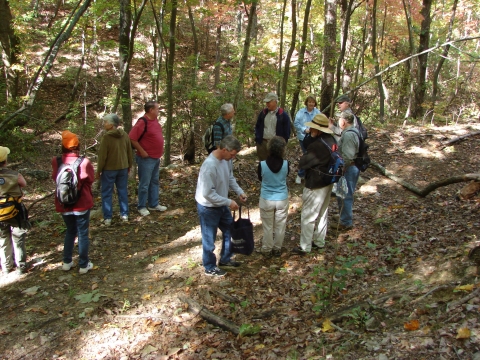
Mountain Longleaf National Wildlife Refuge's primary purpose is to enhance, manage, and protect the unique mountain longleaf pine ecosystem in northeast Alabama.
Public Service Announcement: Controlled Burn - Mountain Longleaf NWR

(Anniston, AL) February 17, 2026 ---- The USFWS is planning to conduct prescribed fire operations (controlled burns) at Mountain Longleaf National Wildlife Refuge both north and south of Bains Gap Road during the spring of 2026. The focused units are on the 9,016-acre refuge between Fort McClellan and White Plains. Refuge personnel have been working on preparations through partnerships for the last three years to get fire back on the landscape.  Prescribed burns are low intensity fires ignited by trained personnel to reduce excess hazardous fuels and will assist wildlife habitat. By reducing hazardous fuels within the correct weather parameters, this will reduce potential wildfires during undesired weather conditions. This will in turn help to reduce any damage to wildlife habitat from wildfires.  Bains Gap Road could potentially be closed for short periods of time for the safety of personnel conditioning operations or for public safety due to smoke intensity. Please see the Wheeler National Wildlife Refuge Complex Facebook page for updates. Updated information, specific dates, times and road closures will be listed on the Wheeler NWR Complex FB page.  If you have questions, please contact the Mountain Longleaf NWR Refuge Manager at 256-848-6833.

Visit Us

Mountain Longleaf National Wildlife Refuge is rich in wildlife and recreation opportunities. Many people come to the refuge each year to enjoy solitude, to commune with nature, and to share the joys of wildlife with family and friends. 

Location and Contact Information

      About Us

      Mountain Longleaf National Wildlife Refuge is located in Calhoun County in northeastern Alabama. The primary objective of the refuge is to maintain and restore a naturally regenerating mountain longleaf pine ecosystem along with providing educators, research scientists, and the public a broad range of opportunities to appreciate and enjoy a rare southern forest type.

      What We Do

      The most efficient and ecologically beneficial method to manage and restore the longleaf ecosystem is prescribed fire. Following creation of the refuge in 2003, the U.S. Fish and Wildlife Service instituted a prescribed burning program to ensure this remnant of a once vast forest type remained for future generations to enjoy. 

      Our Species
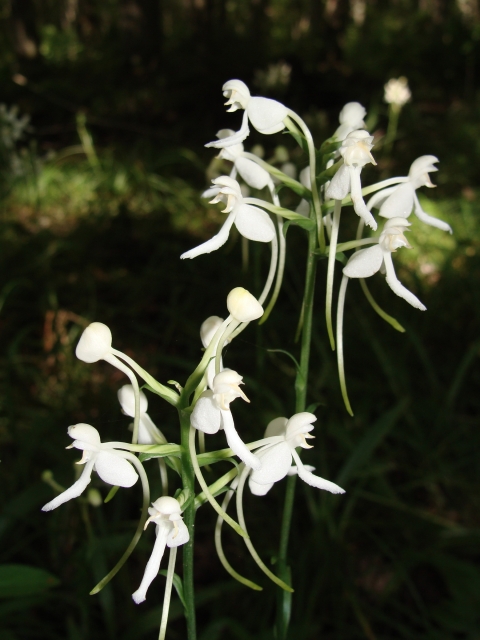
      The longleaf pine habitat is just one in a mosaic of habitats and forest communities found on the refuge. This habitat diversity creates homes for a variety of wildlife species that can be found on the refuge.

      Our Library

      Visit our digital library to view refuge documents and brochures.