The mosaic of pastures, woodlands, coastal prairie, tidal marsh and mudflats at Nestucca Bay National Wildlife Refuge support ducks, geese, salmon, songbirds and the threatened Oregon Silverspot Butterfly.
Announcements

⚠️🔥 NOTICE  ⚠️🔥

REFUGE CLOSURE

The U.S. Fish and Wildlife Service has planned a prescribed fire for 16 acres of grasslands at Nestucca Bay National Wildlife Refuge from Thursday, September 17 through Friday, September 18, 2026. For safety reasons portions of the refuge will be closed during those two days, this includes Christensen Road above the first parking lot, the Two Rivers Nature Trail, and the Pacific View Trail. 

Learn more about the planned prescribed burn prescribed burn
A prescribed burn is the controlled use of fire to restore wildlife habitat, reduce wildfire risk, or achieve other habitat management goals. We have been using prescribed burn techniques to improve species habitat since the 1930s.

Learn more about prescribed burn
at: 
https://www.fws.gov/media/prescribed-fire-nestucca-bay-2026


🥾🌲 TRAIL ALERT 🥾🌲
The deck on the Pacific View Trail is closed due to a lack of structural integrity.  The trail remains open to hiking/walking but the deck is closed to all public use.  There is no estimated timeline for the deck to reopen. 

Visit Us

National Wildlife Refuges offer a chance to unplug from the stresses of daily life and reconnect with nature. Nestucca Bay National Wildlife Refuge features panoramic views of the Pacific Ocean, offers excellent hiking and birding opportunities and protects habitat for waterfowl, deer, bear, songbirds, amphibians, salmon and trout.

Location and Contact Information

      About Us

      Established in 1991 to protect and enhance habitat for Dusky Canada Geese and Aleutian Cackling Geese, Nestucca Bay Refuge continues to provide excellent wintering habitat for these and four other subspecies of white-cheeked geese. The Refuge also features forest, coastal prairie, tidal marsh and mudflats and a variety of recreational opportunities for people of all ages and abilities. 

      What We Do

      The U.S. Fish and Wildlife Service conserves and monitors plants and wildlife, manages and restores habitat, and provides outdoor recreation for the public at the nation’s more than 550 National Wildlife Refuges. 

      Our Organization
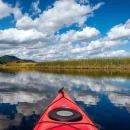
      A bright blue sky obstructed by fluffy white clouds reflected off of a stream shot from inside a kayak
      The U.S. Fish and Wildlife Service manages an unparalleled network of public lands and waters called the National Wildlife Refuge System. With more than 570 refuges spanning the country, this system protects iconic species and provides some of the best wildlife viewing opportunities on Earth.

      Our Species

      The marshes, bogs, forests, marshes and upland meadows of this Refuge form a habitat network important to a diverse and abundant group of plant and animal species, including waterfowl, anadromous fish and migratory songbirds.

      Get Involved

      From its start in 1903, the National Wildlife Refuge System has owed its very existence to concerned citizens eager to protect America's natural resources.