


Bitter Lake
Roswell, NM 88201-9220
Plan Your Visit
National wildlife refuges offer us all a chance to unplug from the stresses of daily life and reconnect with our natural surroundings. Spending time outdoors is good for both our spirit and health, nourishes the imagination, and fuels curiosity and awe. Bitter Lake National Wildlife Refuge is truly an unique gem situated on the cusp between the northern edge of the Chihuahuan Desert and the southwestern corner of the Great Plains, attracting more than 26,000 lesser sandhill cranes, more than 50,000 snow geese and ducks during fall migration, as well as the wide variety of wading birds and shorebirds such as great blue herons, white faced ibis, snowy plovers, least terns, black-necked stilts, and avocets, all amid a backdrop of red-rimmed bluffs running along the Pecos River.
More than 100 species of dragonflies and damselflies (odonates) have been documented on the refuge. The refuge is home to what is considered one of the most diverse populations of odonates in North America. Most of the dragonflies can be seen during the summer months, flitting about and dipping their eggs into the water.
Visitor Tips
We recommend visitors to bring plenty of water to drink, sunglasses, sunscreen, and insect repellant. We suggest for visitors to plan for the weather and dress accordingly and to wear comfortable walking shoes if you walk the trails. Some visitors bring their own hiking sticks or trekking poles for the trails. It is always a treat to bring your own binoculars or camera to capture the sights you may see!
There is wildlife year-round at Bitter Lake National Wildlife Refuge. Popular times of the year for visitors to see wildlife at the refuge is during fall migration, which typically starts in September and continues through spring migration in May. The sandhill cranes start migrating and showing up at the refuge in October and continue through December, with the peak around Thanksgiving. The neotropical songbirds start migrating through in the spring around March and April and continue through May. Snowy plovers, least terns and other shorebirds and wading birds are seen throughout the summer. Dragonflies and damselflies are seen throughout the summer through September, with the peak in July and August. Please watch for wildlife crossing the road and avoid them.
There is no charge to visit.
Bitter Lake National Wildlife Refuge is located 7 miles northeast of Roswell, in Chaves County, New Mexico.
The elevation level at the refuge is 3,526 feet.
From Roswell (south side):
Take US 380 (Second Street) east about three miles to Red Bridge Road. Follow Red Bridge Road north to Pine Lodge Road and travel east to the refuge entrance gate.
From Roswell (north side):
Take US 285 (Main Street) north to Pine Lodge Road. Take Pine Lodge east about 6 miles to the refuge entrance.
Events
View all eventsActivities


More Activities
Get Involved
Whether you want to take part in conservation, learn more about nature or share your love of the outdoors, you’ve come to the right place. National wildlife refuges provide many opportunities for you to help your community by doing what you love. National wildlife refuges partner with volunteers, youth groups, landowners, neighbors, and residents of urban and coastal communities to make a lasting difference.
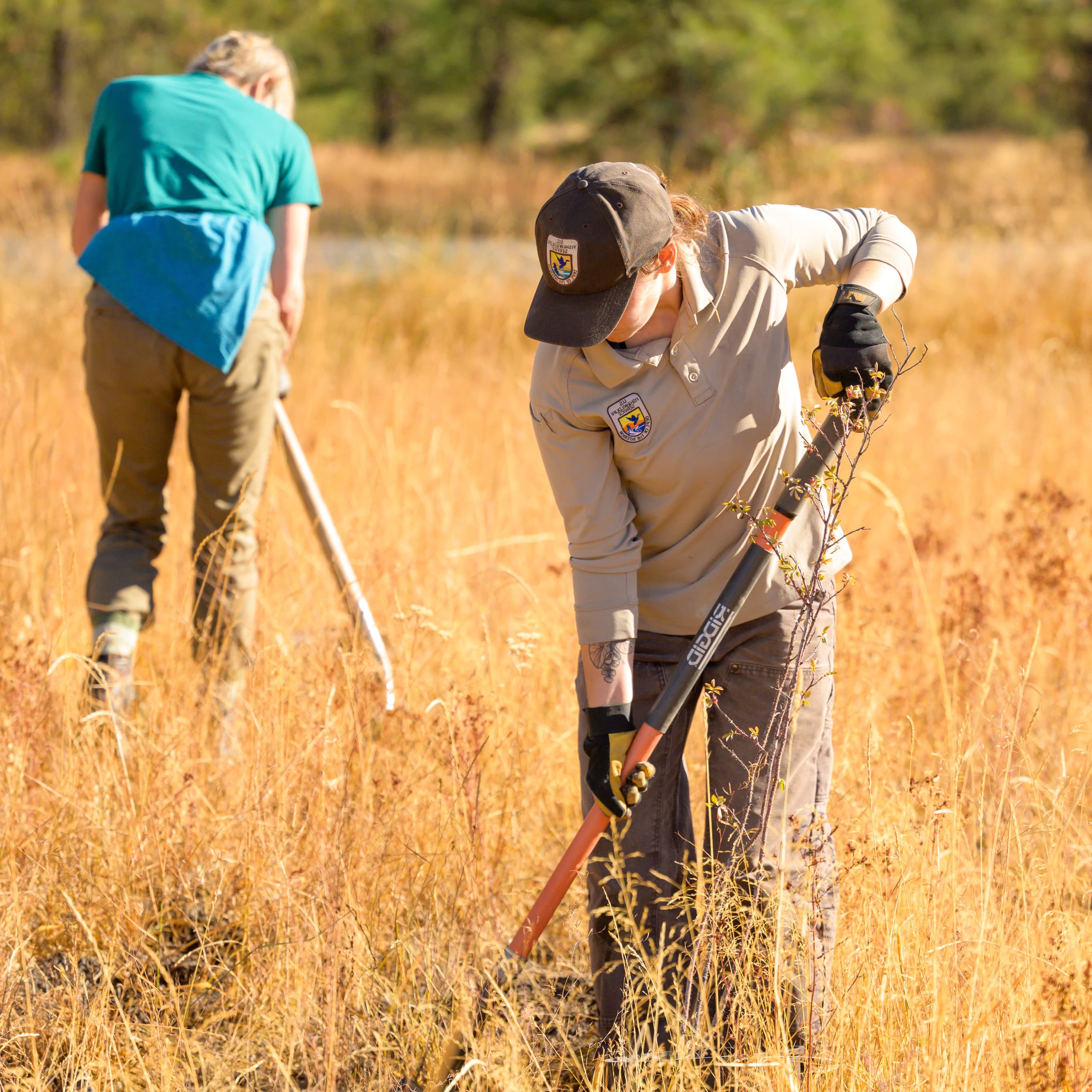
Working with others to conserve, protect, and enhance fish, wildlife, plants, and their habitats for the continuing benefit of the American people.
Services
Bitter Lake National Wildlife Refuge offers a variety of outdoor recreational opportunities. Keep your eyes peeled, relax, and enjoy your national wildlife refuge!
Management and Conservation
Refuges use a wide range of land management tools based on the best science available. The management tools used are aimed at ensuring a balanced conservation approach where both wildlife and people will benefit. Here at Bitter Lake National Wildlife Refuge, our conservation toolbox includes wilderness monitoring, water manipulation, prescribed fire, invasive species control, mechanical, and chemical control.
